
Nordic meal plan for marathon training

Fuel your training with our Nordic meal plan for marathon training. This plan is designed to support your endurance goals with wholesome, energy-packed meals inspired by Scandinavian traditions. Stay strong and energized with balanced nutrition for peak performance.
Meal plan grocery list
 Fish & seafood
 Dry goods
 Fresh grocery
 Dairy & eggs
 Meats
 Snacks & sweets
 Spices & sauces
 Bakery
Meal plan overview
Fuel your workouts with the Nordic meal plan for marathon training. This plan supports endurance goals with energy-packed meals. Enjoy Scandinavian traditions that keep you strong and energized.
Perfect for marathon trainers, this meal plan provides balanced nutrition. Stay on track with wholesome, delicious dishes. Achieve peak performance with the right fuel from Nordic cuisine.
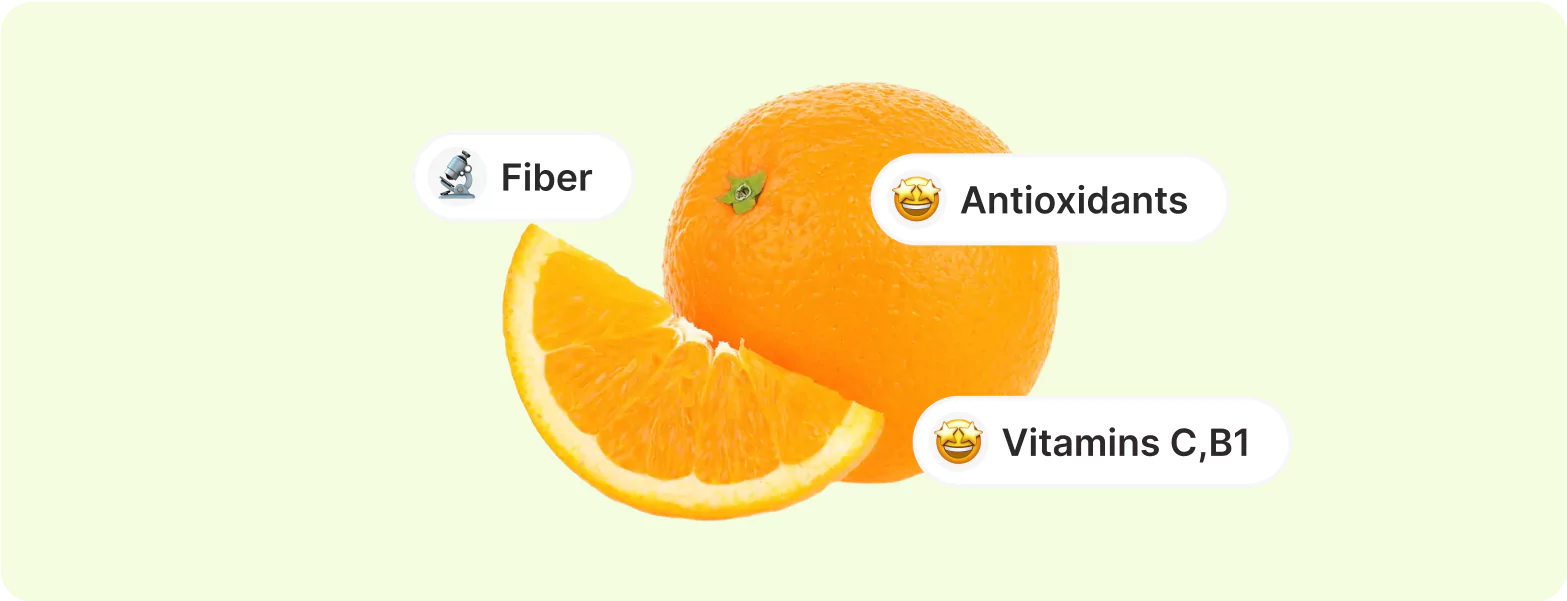
Foods to eat
- Complex Carbs: Load up on barley, rye, and oats for sustained energy.
- Lean Proteins: Include fish, chicken, and legumes for muscle repair and recovery.
- Root Vegetables: Add potatoes, carrots, and beets for energy and nutrients.
- Berries: Snack on blueberries, raspberries, and lingonberries for antioxidants.
- Nuts and Seeds: Incorporate flaxseeds, sunflower seeds, and almonds for healthy fats.
- Leafy Greens: Eat spinach, kale, and chard for essential vitamins and minerals.
Tip
Incorporate nutrient-dense seaweed into your diet for a natural source of iodine and other essential minerals.
Foods not to eat
- Processed Foods: Avoid convenience snacks and sugary energy bars.
- Refined Grains: Steer clear of white bread, pasta, and other refined grains.
- High-Sugar Foods: Limit intake of sweets, candies, and sugary drinks.
- Fried Foods: Avoid fried and greasy foods that can cause sluggishness.
- High-Sodium Foods: Reduce intake of salty snacks and processed meats.
- Artificial Additives: Avoid foods with artificial colors, flavors, and preservatives.
Read more about key products


Main benefits
The Nordic meal plan for marathon training offers energy-packed meals that support endurance and recovery. The focus on whole grains and lean proteins aids muscle repair. Including antioxidant-rich berries helps reduce inflammation. The balanced approach ensures sustained energy levels throughout training.
Recommended nutrient breakdown
- Protein: 20%
- Fat: 25%
- Carbs: 50%
- Fiber: 3%
- Other: 2%
How to budget on this meal plan
Buying energy-dense foods like nuts and seeds in bulk can save money. Plan meals around affordable protein sources like legumes and whole grains. Preparing homemade energy bars and snacks can be cheaper than store-bought options. Taking advantage of seasonal produce ensures you get fresh, nutrient-rich foods at a lower cost.
Packed with vitamins, minerals, and antioxidants:


Extra tips
Any healthy snack ideas?
Try these energy-boosting snacks for marathon training:
- Peanut butter on whole grain toast
- Banana with almond butter
- Trail mix with nuts and dried fruit
- Fruit smoothie with protein powder
- Oatmeal with chia seeds and berries
- Homemade protein bars
- Greek yogurt with granola
What should I drink on this meal plan?
For marathon training, hydration is key with water and electrolyte drinks. Smoothies with protein powder and fruits can help recovery. Coconut water is great for rehydration. Herbal teas like peppermint can aid digestion. Avoid sugary and caffeinated drinks.
How to get even more nutrients?
Focus on complex carbohydrates like sweet potatoes and whole grains for sustained energy. Add lean proteins such as beans and legumes for muscle repair. Include a variety of colorful vegetables for a broad range of vitamins and minerals. Use seeds like chia and flax for omega-3 fatty acids. Incorporate nuts for additional calories and healthy fats.
Meal plan suggestion
Day 1
- Breakfast: Oats with blueberries and almonds
- Lunch: Chicken breast with quinoa and spinach
- Dinner: Salmon with sweet potatoes and broccoli
- Snack: Greek yogurt with strawberries
- Calories 🔥: 2500 Fat 💧: 90g Carbs 🌾: 300g Protein 🥩: 150g
Day 2
- Breakfast: Rye bread with skyr and raspberries
- Lunch: Turkey breast with barley and kale
- Dinner: Cod with potatoes and beets
- Snack: Greek yogurt with blueberries
- Calories 🔥: 2550 Fat 💧: 92g Carbs 🌾: 305g Protein 🥩: 155g
Day 3
- Breakfast: Oats with apples and walnuts
- Lunch: Chicken breast with quinoa and carrots
- Dinner: Salmon with sweet potatoes and broccoli
- Snack: Greek yogurt with strawberries
- Calories 🔥: 2500 Fat 💧: 90g Carbs 🌾: 300g Protein 🥩: 150g
Day 4
- Breakfast: Rye bread with skyr and blueberries
- Lunch: Turkey breast with barley and kale
- Dinner: Cod with potatoes and spinach
- Snack: Greek yogurt with raspberries
- Calories 🔥: 2550 Fat 💧: 92g Carbs 🌾: 305g Protein 🥩: 155g
Day 5
- Breakfast: Oats with blueberries and hazelnuts
- Lunch: Chicken breast with quinoa and beets
- Dinner: Salmon with sweet potatoes and broccoli
- Snack: Greek yogurt with strawberries
- Calories 🔥: 2500 Fat 💧: 90g Carbs 🌾: 300g Protein 🥩: 150g
Day 6
- Breakfast: Rye bread with skyr and strawberries
- Lunch: Turkey breast with barley and spinach
- Dinner: Cod with potatoes and kale
- Snack: Greek yogurt with blueberries
- Calories 🔥: 2550 Fat 💧: 92g Carbs 🌾: 305g Protein 🥩: 155g
Day 7
- Breakfast: Oats with apples and almonds
- Lunch: Chicken breast with quinoa and spinach
- Dinner: Salmon with sweet potatoes and broccoli
- Snack: Greek yogurt with strawberries
- Calories 🔥: 2500 Fat 💧: 90g Carbs 🌾: 300g Protein 🥩: 150g
These nutritional values are approximate and can vary slightly based on specific portion sizes and preparation methods.
Want to learn more?
Keep in mind
Other meal plans
-

7-day Meal Plan For Mediterranean Diet
Embarking on a Mediterranean journey? You're in for a treat! Discover the secrets of a 7-day Mediterranean diet meal plan and how it can invigorate your health. This article will guide you through a flavorful world of nutritious foods and show you how to turn these meals into an efficient shopping list. Let's set sail!
-

7-day Meal Plan For Weight Loss
Ready to kickstart your weight loss journey? A 7-day meal plan tailored for weight loss could be your golden ticket. In this article, we'll explore how to craft a weight loss meal plan that's both delicious and effective for shedding pounds, plus tips on transforming it into a smart shopping list. Time to get excited about your health goals!
-

7-day Meal Plan For Diabetics
Managing diabetes with diet doesn't have to be daunting. Learn how a 7-day meal plan can help control your blood sugar and improve overall health. We'll guide you through creating diabetic-friendly meals and turning them into a simple shopping list. Let's make healthy eating a breeze!