
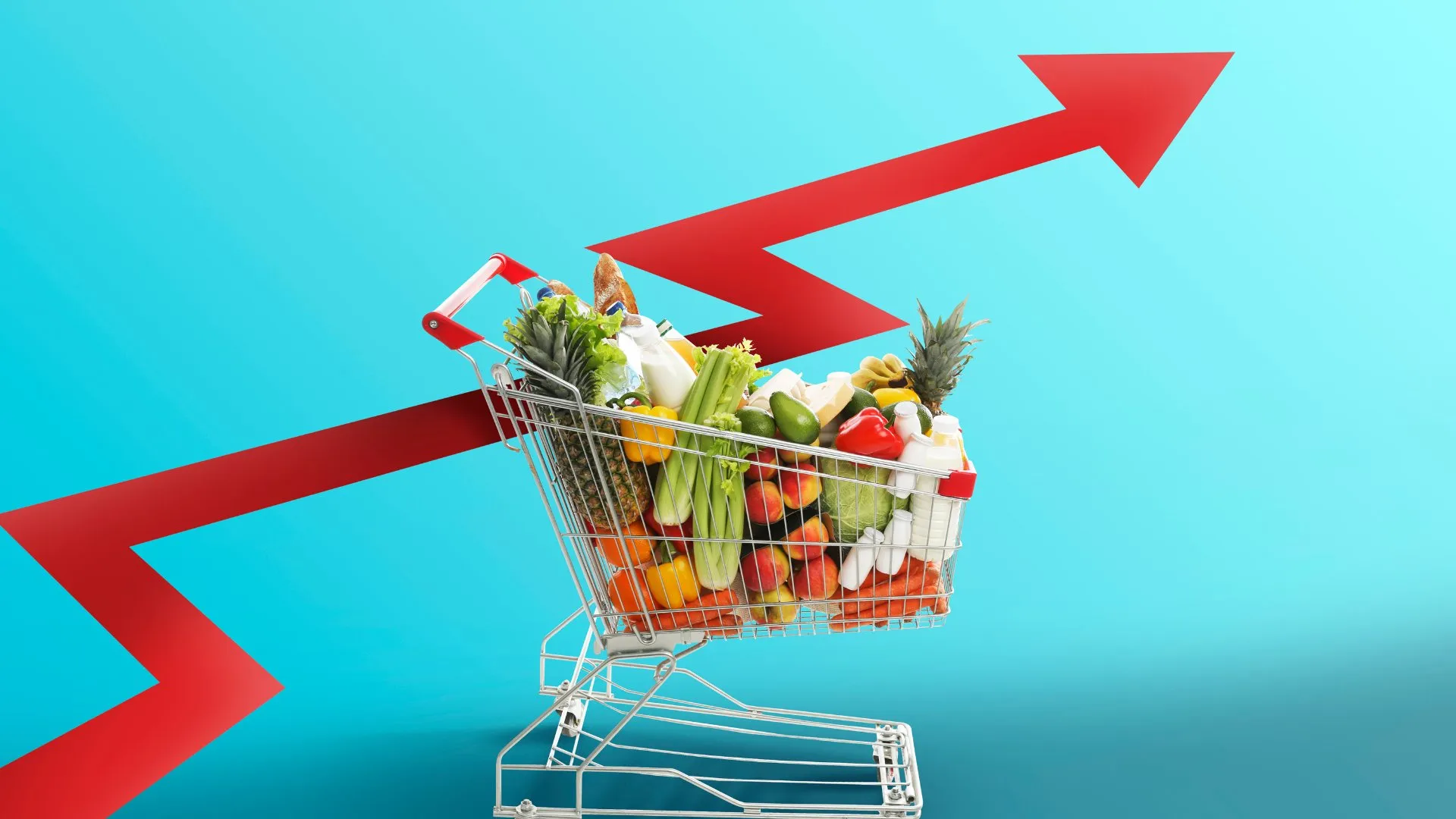
Why Are Groceries So Expensive Lately? Key Questions People Are Asking in 2026
Many people have noticed that grocery bills feel higher than they used to, even when buying the same basic items. Rising food prices affect households differently, but the overall trend is hard to ignore. Understanding why groceries are so expensive lately can help make sense of what’s happening, and how to respond more effectively.
Below, we answer the most common questions people ask about rising grocery prices, food budgets, and practical ways to stay in control – for example, using grocery list applications like Listonic.
Get grocery listWhat is causing food prices to spike around the world?
Food prices are rising globally due to a combination of factors rather than a single cause.
Higher energy and fuel costs increase the price of transportation and production, while extreme weather events affect crop yields. Supply chain disruptions and higher labor costs also play a role. Together, these pressures push food prices up in many countries at the same time.
While individual shoppers can’t influence global trends, Listonic helps by giving you more control at the shopping level. By planning your list in advance, organizing items by category, and seeing estimated totals, you can react more strategically to price increases instead of discovering them at checkout.
Is $300 a month enough for food?
Whether $300 a month is enough for food depends on where you live, how many people you’re shopping for, and your eating habits.
In some areas, it may be possible with careful planning and cooking most meals at home. In others, especially cities with higher living costs, it can be challenging. Tracking what you buy and planning ahead becomes essential at this budget level.
This is where Listonic becomes especially useful. By creating a clear shopping list, adding estimated prices, and tracking totals as you plan, you can see early on whether your list fits within your budget. This makes it easier to adjust choices before spending money.
Why are groceries so expensive lately in America?
In the US, grocery prices have increased due to inflation, higher transportation costs, and rising wages across the supply chain.
Food producers and retailers face higher expenses, which are often passed on to consumers. In addition, demand for certain products has remained strong, keeping prices elevated. These factors combined explain why grocery bills feel noticeably higher for many Americans.
Using Listonic helps reduce the impact of these increases by making spending more predictable. Seeing your estimated total while building your list helps you avoid impulse buys and make substitutions when prices are higher than expected.
👉 See what the research is saying about creating shopping lists with prices.
How can I compare prices of common grocery items across different supermarket apps?
Comparing prices works best when you plan before shopping rather than relying on memory.
Many shoppers use supermarket apps to check prices, promotions, and weekly deals. Creating a shopping list and noting prices helps you compare totals across stores more accurately.
With Listonic, you can recreate different shopping scenarios by assigning prices to items and comparing list totals. This makes it easier to decide which store offers the best value overall, not just for individual items.
Get Listonic, the top-rated shopping list app, on your phone!


What is a reasonable monthly budget for food?
A reasonable monthly food budget varies widely based on household size, location, and lifestyle.
For a single person, it might range from a few hundred dollars to more, while families often spend significantly more. The key is setting a budget that matches your reality and reviewing it regularly. Keeping track of grocery spending over time helps identify patterns and areas where adjustments are possible.
Listonic supports this process by helping you build consistent shopping habits. By saving past lists and reviewing estimated totals, you can better understand your typical spending and adjust your monthly budget based on real data, not guesswork.
What is the 5 4 3 2 1 rule for groceries?
The 5 4 3 2 1 rule is a simple budgeting approach that encourages balance in your grocery shopping. It typically suggests buying:
- 5 vegetables
- 4 fruits
- 3 protein sources
- 2 grains
- 1 treat
The idea is to structure shopping trips around nutritious staples while limiting impulse purchases, which can help control costs.
Listonic makes it easier to follow this rule by clearly organizing items into categories, helping you see at a glance whether your list stays balanced and intentional.
What is the 3 3 3 rule for groceries?
The 3 3 3 rule for groceries focuses on simplicity and spending awareness.
It usually means choosing three meals, three snacks, and three staple items for a shopping period. By narrowing choices, you reduce impulse buying and make shopping more intentional. This approach can be helpful when prices feel overwhelming.
Using Listonic, you can build shorter, more intentional lists that reflect this approach. Seeing fewer items and a lower estimated total makes it easier to stick to the rule and avoid unnecessary extras.
Why are grocery prices so high right now?
Grocery prices are high right now because multiple cost pressures are happening at once.
Inflation affects everything from raw ingredients to packaging, while supply chain inefficiencies and climate-related disruptions continue to impact food availability. Even when some costs stabilize, others remain elevated, keeping prices higher than many shoppers expect.
While prices may not drop quickly, Listonic helps you adapt. By planning ahead, tracking estimated totals, and making informed choices before shopping, you regain a sense of control, even in a high-price environment.