
7 Day diet plan for anemia
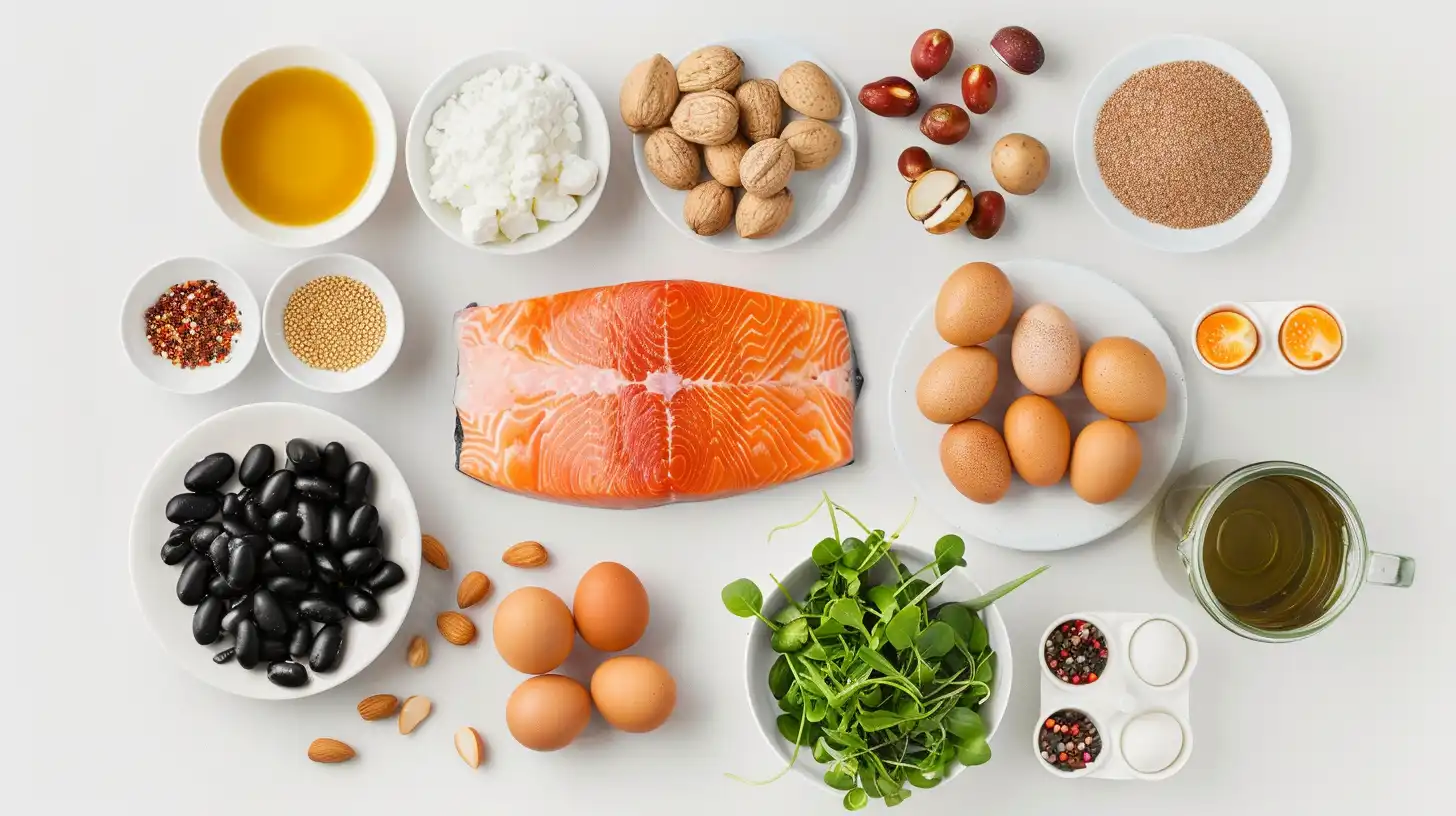
Designed to boost iron levels and overall nutrition, this 7-day diet plan for anemia includes iron-rich foods like spinach, lean red meats, and legumes, complemented by vitamin C-rich fruits to enhance absorption. Each day's meals are carefully planned to fight fatigue and boost energy naturally.
Diet plan grocery list
Diet plan overview
The 7 Day Diet Plan for Anemia boosts iron intake with foods like red meat, spinach, and lentils, which are essential for hemoglobin production. Vitamin C-rich foods such as citrus fruits and bell peppers are also included to enhance iron absorption.
This plan ensures a balanced intake of other vital nutrients like vitamin B12 and folic acid, supporting overall blood health. It’s a comprehensive dietary approach to improving symptoms associated with anemia.
Foods to eat
- Iron-Rich Foods: Red meat, chicken, turkey, and pork, especially liver and other organ meats.
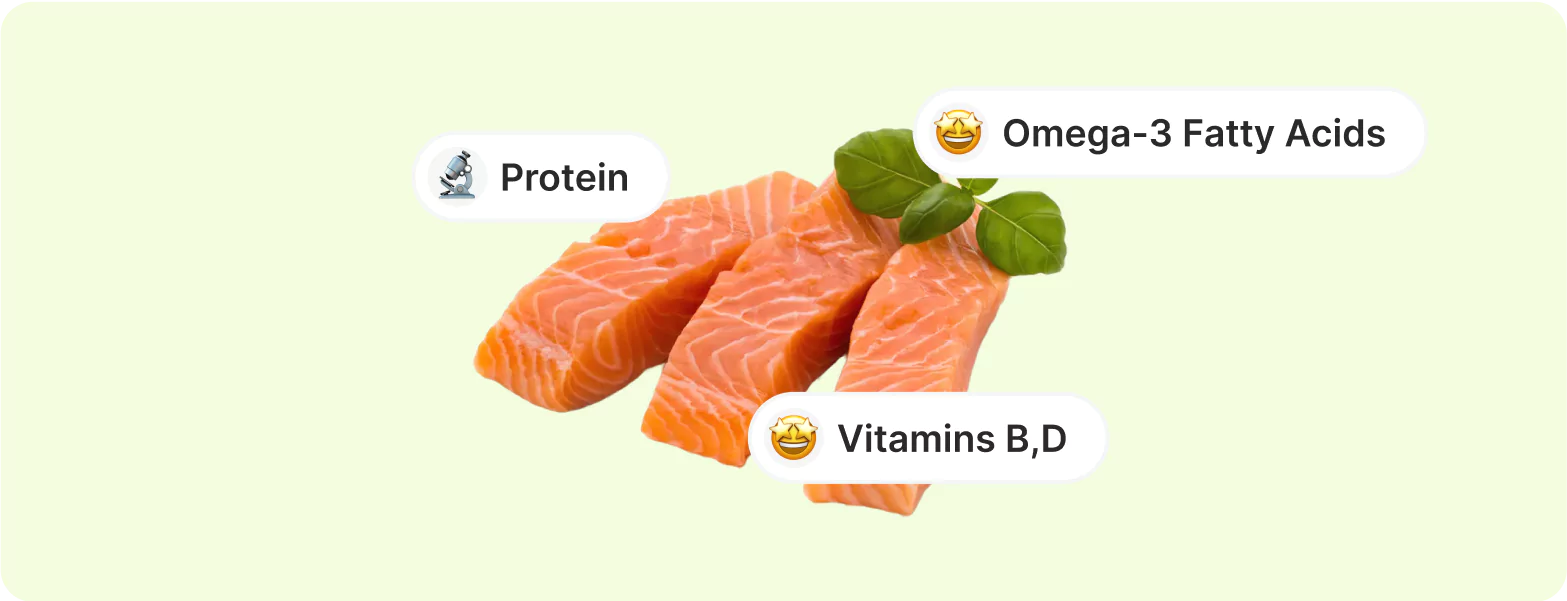
- Seafood: Oysters, clams, sardines, tuna, and salmon, which are high in heme iron.
- Beans and Legumes: Lentils, chickpeas, and beans, especially black beans and kidney beans.
- Leafy Greens: Spinach, kale, and Swiss chard, which provide non-heme iron and other vital nutrients.
- Fortified Foods: Iron-fortified cereals, breads, and pasta to boost iron intake.
Tip
Boost iron absorption by pairing iron-rich foods like spinach with vitamin C sources such as oranges or bell peppers.
Foods not to eat
- Coffee and Tea: These beverages can inhibit iron absorption and should be limited, especially around meal times.
- Dairy Products: High consumption of milk, cheese, and yogurt might inhibit iron absorption.
- Whole Grains and Bran: Foods high in phytates which can bind iron and prevent its absorption.
- Processed Foods: High in additives and low in nutrients necessary for iron absorption.
- Excess Fiber: Overconsumption of fibrous foods that can interfere with iron absorption.
Main benefits
The 7 day diet plan for anemia is rich in iron and vitamin C to enhance iron absorption, featuring red meat, spinach, and citrus fruits. This plan also includes foods high in folic acid and vitamin B12, which are crucial for red blood cell production. Regular meals with these nutrients can significantly improve energy levels and overall health.
How to budget on this diet plan
For an anemia-focused diet, incorporate iron-rich, budget-friendly foods like lentils and fortified cereals. Cooking with cast iron pans can also increase iron intake without additional cost. Buying in-season fruits rich in vitamin C, such as oranges or strawberries, can enhance iron absorption and keep costs down.
Meal plan suggestion
Day 1
- Breakfast: Fortified cereal with fortified milk and raisins
- Lunch: Spinach salad with grilled chicken and chickpeas
- Dinner: Beef liver with sautéed Swiss chard and quinoa
- Snack: Fortified yogurt with apricots
Day 2
- Breakfast: Omelet with eggs and spinach, served with fortified bread
- Lunch: Lentil soup with diced turkey and broccoli
- Dinner: Grilled salmon with roasted Brussels sprouts and fortified rice
- Snack: Pumpkin seeds and cashews
Day 3
- Breakfast: Fortified orange juice with fortified cereal
- Lunch: Tofu stir-fry with soybeans and bell peppers (using only soybeans from the list)
- Dinner: Roast beef with kidney beans and sautéed broccoli
- Snack: Sunflower seeds and dried apricots
Day 4
- Breakfast: Smoothie with fortified yogurt, fortified milk, and watermelon
- Lunch: Shrimp salad with spinach and quinoa
- Dinner: Pork chops with Brussels sprouts and fortified pasta
- Snack: Raisins and cashews
Day 5
- Breakfast: Scrambled eggs with diced red meat and Swiss chard
- Lunch: Chicken and broccoli stir-fry with fortified rice
- Dinner: Baked salmon with lentils and roasted Brussels sprouts
- Snack: Fortified orange juice with pumpkin seeds
Day 6
- Breakfast: Fortified cereal with fortified milk and sliced watermelon
- Lunch: Beef stew with kidney beans and fortified bread
- Dinner: Grilled turkey with quinoa and sautéed spinach
- Snack: Sunflower seeds and dried apricots
Day 7
- Breakfast: Oatmeal (assuming fortified) with raisins and fortified milk
- Lunch: Lentil and tofu salad with diced tomatoes (assuming availability from the previous list)
- Dinner: Pork roast with chickpeas and sautéed broccoli
- Snack: Cashews and fortified yogurt
Want to learn more?
Keep in mind
Other diet plans
-

Carnivore diet plan for diabetics
This diet plan on the carnivore diet for diabetic individuals is quite low on carbs while approximating almost 100 percent in protein and fats. This helps to control blood sugar levels. Avoiding sugars and most of carbs can make it possible to have diabetes well under control. It is a radical but straightforward dietary intervention which should be done with supervision and guidance from health practitioners.
-

Carnivore diet plan for healthy eating
Healthy eating in the carnivore diet plan comprises a range of nutrient-dense sourced meats, such as organs and bone broths, which contain critical vitamins and minerals. It aims to eliminate inflammatory reactions, which are characteristic of some lifestyle diseases, and cut back the diet to essential nutrients. It may seem limiting, however, it facilitates looking deeper into the quality of every piece of meat cuisine.
-

Carnivore diet plan for beginners
The following carnivore beginner’s plan is especially intended for those who are new to the carnivore way of life. It begins by eating only meat instead of animal-based foods. Just after a few weeks or so, start introducing other types of food, such as fish, poultry, and organ meat. No complicated steps involved - learn the basics of meat preparation and accommodate a new food pattern.