
7 Day diet plan for fatty liver
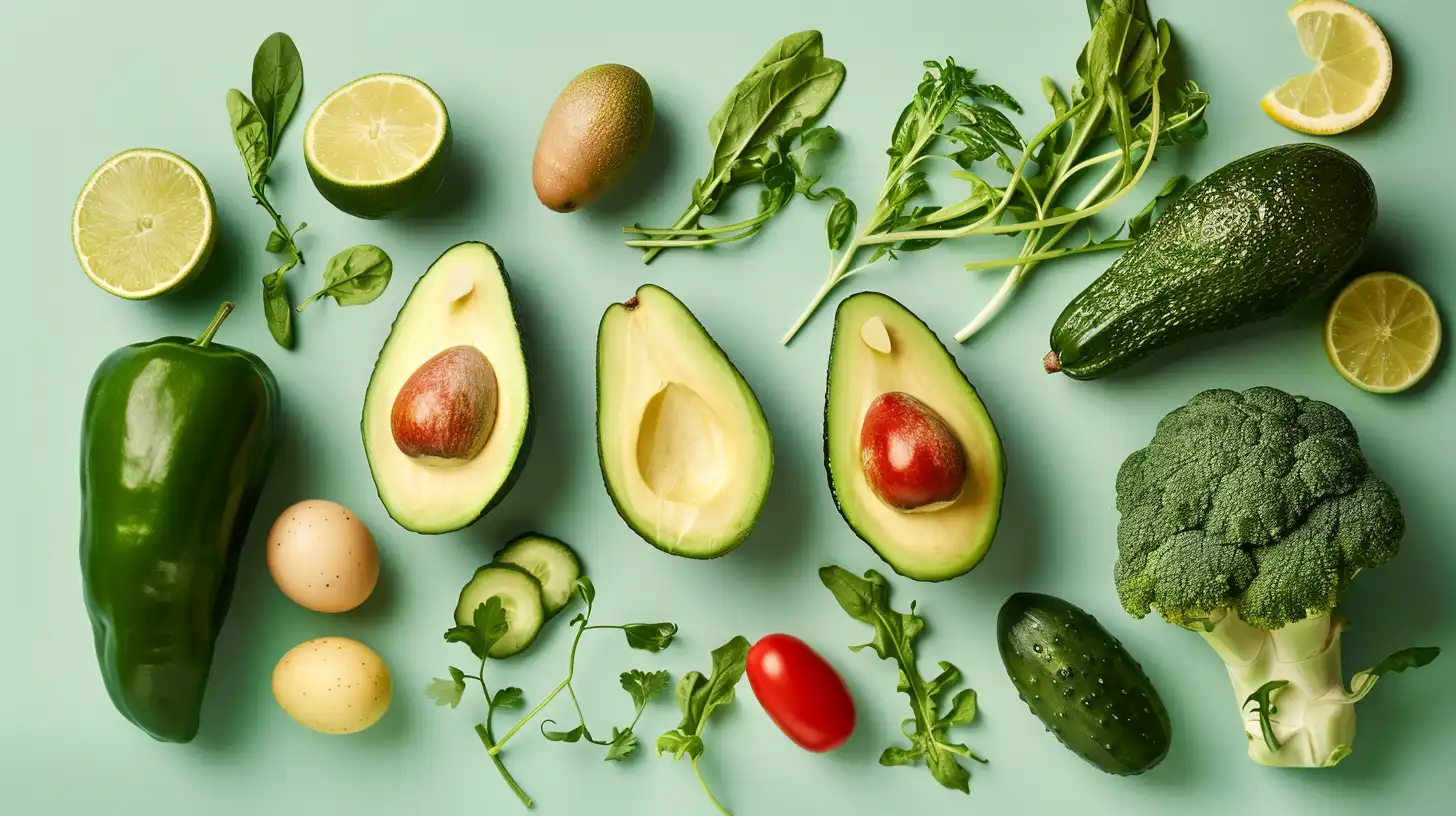
Designed to combat fatty liver, this 7-day plan focuses on detoxifying foods like green leafy vegetables, citrus fruits, and whole grains. It limits high-fat and sugary processed foods, emphasizing clean eating and liver health. This regimen is a proactive step towards reversing fatty liver disease and improving liver function.
Diet plan grocery list
Diet plan overview
The 7 day diet plan for fatty liver aims to improve liver function through a diet low in fats and high in fiber. It includes foods like whole grains, leafy greens, and lean proteins that help reduce liver fat. Antioxidant-rich items such as berries and nuts are also included to protect liver cells from damage.
This plan encourages small, frequent meals to manage metabolism and maintain steady blood sugar levels, which is crucial for liver health. It's a focused approach to dietary changes that can make a significant impact on liver condition.
Foods to eat
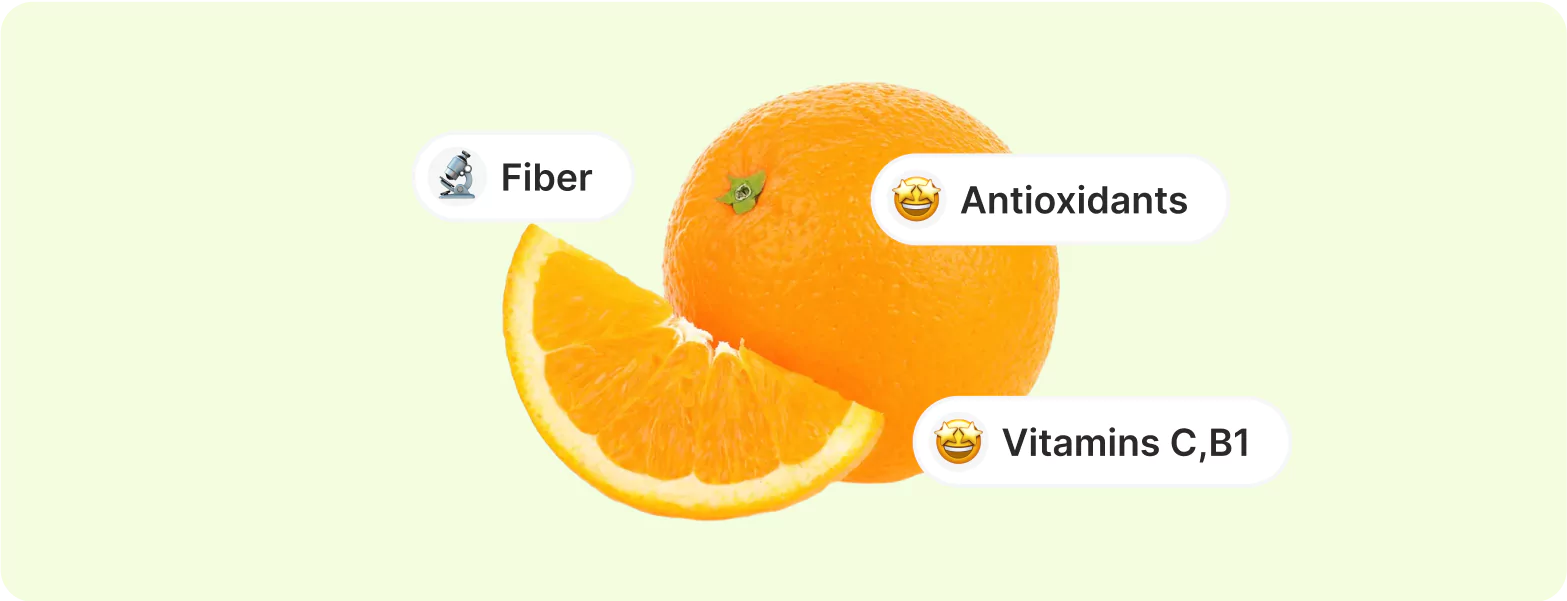
- High-Fiber Plants: Leafy greens, legumes, and whole grains to help improve liver function.
- Lean Protein: Chicken breast, fish, and plant proteins like tofu and tempeh.
- Healthy Fats: Olive oil, avocados, and nuts which support liver health without excess fat storage.
- Low Glycemic Index Fruits: Berries, apples, and other fruits that do not spike blood sugar rapidly.
- Antioxidant-Rich Foods: Turmeric, green tea, and vegetables like broccoli and cauliflower.
Tip
Include antioxidant-rich foods like berries and leafy greens in your daily meals to help reduce inflammation and support liver health.
Foods not to eat
- Alcohol: Should be avoided to reduce liver stress and damage.
- Added Sugars: Soft drinks, candies, and pastries that contribute to fat buildup in the liver.
- Fried Foods: High in fat and can worsen liver health.
- Refined Grains: White bread, pasta, and other products made with white flour.
- Saturated Fats: Found in butter, cream, and fatty cuts of meat which can exacerbate liver issues.
Main benefits
The 7 day diet plan for fatty liver focuses on reducing fat intake, especially saturated fats, and increasing fiber-rich foods to help manage liver health. It includes nutrient-dense options like leafy greens, whole grains, and lean proteins, which support liver function and reduce liver fat. This diet also limits high sugar and fatty foods, critical for preventing liver damage progression.
How to budget on this diet plan
For a 7-day diet targeting fatty liver, opt for inexpensive, lean proteins such as chicken breast and turkey to reduce fat intake. Incorporate oats and other whole grains which are beneficial for liver health and can be bought cheaply in bulk. Make use of turmeric and garlic when seasoning meals; both are known for their liver health benefits and add flavor without the need for expensive herbs or spices.
Meal plan suggestion
Day 1
- Breakfast: Oatmeal with blueberries and walnuts
- Lunch: Quinoa salad with spinach, bell peppers, and cucumbers, dressed with olive oil
- Dinner: Grilled salmon with roasted sweet potatoes and steamed broccoli
- Snack: Greek yogurt with crushed flaxseeds
Day 2
- Breakfast: Greek yogurt with sliced strawberries and a sprinkle of oats
- Lunch: Lentil soup with kale, carrots, and tomatoes
- Dinner: Lean chicken breast with cauliflower rice and sautéed Brussels sprouts
- Snack: Cottage cheese with sliced cucumbers
Day 3
- Breakfast: Smoothie with spinach, avocado, and blueberries
- Lunch: Chickpea salad with diced tomatoes, cucumber, and onions, seasoned with olive oil and lemon juice
- Dinner: Baked trout with steamed zucchini and quinoa
- Snack: A handful of walnuts
Day 4
- Breakfast: Scrambled eggs with chopped bell peppers and spinach
- Lunch: Turkey breast wraps using whole wheat bread, with lettuce, tomato, and avocado
- Dinner: Stir-fried broccoli, carrots, and bell peppers with tofu (if allowed, otherwise use chicken)
- Snack: Sliced carrots and cucumber with a hummus dip (made from chickpeas and olive oil)
Day 5
- Breakfast: Cottage cheese with sliced peaches and flaxseeds
- Lunch: Brown rice bowl with black beans, salsa (tomatoes and onions), avocado, and grilled chicken
- Dinner: Baked salmon with roasted Brussels sprouts and sweet potatoes
- Snack: A small bowl of mixed berries (blueberries, strawberries)
Day 6
- Breakfast: Whole grain pasta salad with cherry tomatoes, spinach, and olive oil
- Lunch: Grilled turkey breast with mixed greens (spinach, kale) and kidney beans
- Dinner: Baked trout with steamed green beans and a quinoa pilaf
- Snack: Greek yogurt mixed with walnuts and honey
Day 7
- Breakfast: Porridge made with oats, sliced bananas, and a sprinkle of cinnamon
- Lunch: Chickpea and cucumber salad with diced tomatoes, and avocado
- Dinner: Stir-fry with lean chicken, broccoli, bell peppers, and zucchini
- Snack: Sliced avocado with a sprinkle of salt and lemon
Want to learn more?
Keep in mind
Other diet plans
-

Carnivore diet plan for diabetics
This diet plan on the carnivore diet for diabetic individuals is quite low on carbs while approximating almost 100 percent in protein and fats. This helps to control blood sugar levels. Avoiding sugars and most of carbs can make it possible to have diabetes well under control. It is a radical but straightforward dietary intervention which should be done with supervision and guidance from health practitioners.
-

Carnivore diet plan for healthy eating
Healthy eating in the carnivore diet plan comprises a range of nutrient-dense sourced meats, such as organs and bone broths, which contain critical vitamins and minerals. It aims to eliminate inflammatory reactions, which are characteristic of some lifestyle diseases, and cut back the diet to essential nutrients. It may seem limiting, however, it facilitates looking deeper into the quality of every piece of meat cuisine.
-

Carnivore diet plan for beginners
The following carnivore beginner’s plan is especially intended for those who are new to the carnivore way of life. It begins by eating only meat instead of animal-based foods. Just after a few weeks or so, start introducing other types of food, such as fish, poultry, and organ meat. No complicated steps involved - learn the basics of meat preparation and accommodate a new food pattern.