
90 30 50 diet plan for crohn's disease
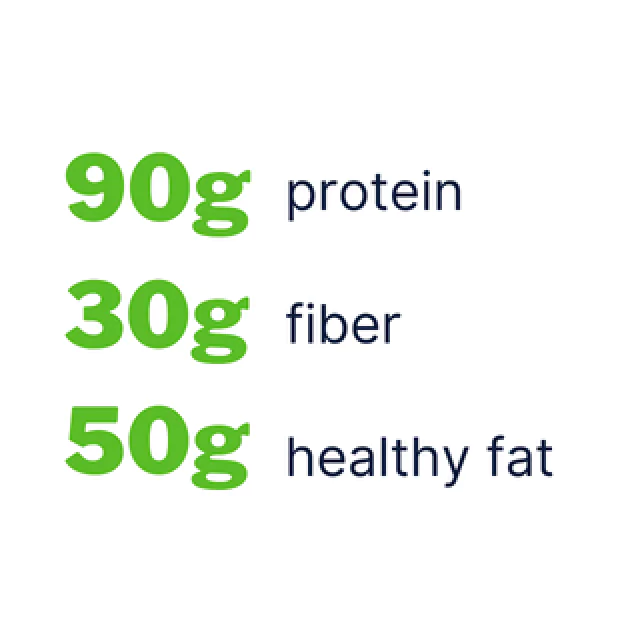
Managing Crohn's disease is easier with the 90 30 50 diet plan. By including 90 grams of protein each day, it supports healing and maintaining muscle mass. The 30 grams of fiber and 50 grams of healthy fats aid digestion and provide steady energy.
Diet plan grocery list
Diet plan overview
Managing Crohn's disease is challenging, but the 90 30 50 diet plan for Crohn's disease can offer support. With 90 grams of protein each day, it helps your body heal and maintain muscle mass. The 30 grams of fiber aid digestion, while 50 grams of healthy fats provide essential nutrients without irritating your digestive system.
This diet can help you manage symptoms more effectively. It promotes overall health and can make living with Crohn's disease more manageable.
Foods to eat
- Lean Proteins: Chicken breast, turkey, and tofu provide essential nutrients without irritating the gut.
- Cooked Vegetables: Soft-cooked carrots, zucchini, and spinach are gentle on the digestive system.
- Low-Fiber Fruits: Bananas, cantaloupe, and honeydew melon are easier to digest.
- White Rice and Pasta: Low in fiber and easy on the digestive tract, perfect for keeping symptoms at bay.
- Lactose-Free Dairy: Almond milk and lactose-free yogurt provide calcium without the discomfort.
Tip
Eat smaller, more frequent meals to ease digestion and reduce symptoms of Crohn's disease.
Foods not to eat
- High-Fiber Foods: Whole grains, raw vegetables, and legumes can be difficult to digest and may trigger symptoms.
- Spicy Foods: Hot peppers, salsa, and spicy sauces can irritate the gastrointestinal tract.
- Fried Foods: Greasy foods like french fries and fried chicken are hard to digest and can worsen symptoms.
- Dairy Products: Milk, cheese, and ice cream might cause bloating and discomfort for those with lactose intolerance.
- Caffeinated Beverages: Coffee, tea, and energy drinks can stimulate the intestines and cause flare-ups.
Main benefits
The 90 30 50 diet plan for crohn's disease helps reduce inflammation and manage symptoms by including anti-inflammatory foods. It focuses on easily digestible foods that reduce the risk of irritation in the digestive tract. The diet is rich in nutrients that support gut health and promote healing. It also avoids trigger foods that could cause flare-ups, helping to maintain a stable digestive system.
How to budget on this diet plan
For the 90 30 50 diet plan for Crohn's disease, invest in a slow cooker or instant pot to make bulk cooking easier and more efficient. Look for sales on soft, easy-to-digest proteins like chicken and fish, and freeze portions for later use. Buying canned fruits and vegetables without added sugar or salt can be a cheaper alternative to fresh produce. Consider joining a wholesale club for bulk purchases of frequently used items, which can lower the cost per unit significantly.
Meal plan suggestion
Day 1
- Breakfast: Oatmeal with bananas and almonds
- Lunch: Grilled chicken breast with quinoa and steamed broccoli
- Dinner: Baked salmon with sweet potatoes and spinach
- Snack: Greek yogurt with blueberries
Day 2
- Breakfast: Whole wheat bread with avocado and scrambled eggs
- Lunch: Turkey breast with brown rice and green beans
- Dinner: Tofu stir-fry with zucchini, bell peppers, and carrots
- Snack: Cottage cheese with strawberries
Day 3
- Breakfast: Greek yogurt with mixed berries and a handful of almonds
- Lunch: Tuna salad with cucumbers, bell peppers, and olive oil
- Dinner: Grilled chicken breast with sweet potatoes and steamed cauliflower
- Snack: Apple slices with cottage cheese
Day 4
- Breakfast: Oatmeal with strawberries and a sliced banana
- Lunch: Salmon with quinoa and steamed broccoli
- Dinner: Turkey breast with brown rice and sautéed spinach
- Snack: Greek yogurt with blueberries
Day 5
- Breakfast: Whole wheat toast with avocado and a side of Greek yogurt
- Lunch: Grilled chicken breast with lentils and green beans
- Dinner: Tofu stir-fry with zucchini, mushrooms, and bell peppers
- Snack: Cottage cheese with an apple
Day 6
- Breakfast: Greek yogurt with mixed berries and a handful of almonds
- Lunch: Tuna salad with cucumbers, carrots, and olive oil
- Dinner: Baked salmon with quinoa and steamed cauliflower
- Snack: Banana with Greek yogurt
Day 7
- Breakfast: Oatmeal with blueberries and a sliced banana
- Lunch: Turkey breast with sweet potatoes and broccoli
- Dinner: Grilled chicken breast with brown rice and sautéed spinach
- Snack: Cottage cheese with an orange
Want to learn more?
Keep in mind
Other diet plans
-

Carnivore diet plan for diabetics
This diet plan on the carnivore diet for diabetic individuals is quite low on carbs while approximating almost 100 percent in protein and fats. This helps to control blood sugar levels. Avoiding sugars and most of carbs can make it possible to have diabetes well under control. It is a radical but straightforward dietary intervention which should be done with supervision and guidance from health practitioners.
-

Carnivore diet plan for healthy eating
Healthy eating in the carnivore diet plan comprises a range of nutrient-dense sourced meats, such as organs and bone broths, which contain critical vitamins and minerals. It aims to eliminate inflammatory reactions, which are characteristic of some lifestyle diseases, and cut back the diet to essential nutrients. It may seem limiting, however, it facilitates looking deeper into the quality of every piece of meat cuisine.
-

Carnivore diet plan for beginners
The following carnivore beginner’s plan is especially intended for those who are new to the carnivore way of life. It begins by eating only meat instead of animal-based foods. Just after a few weeks or so, start introducing other types of food, such as fish, poultry, and organ meat. No complicated steps involved - learn the basics of meat preparation and accommodate a new food pattern.