
90 30 50 diet plan for elderly

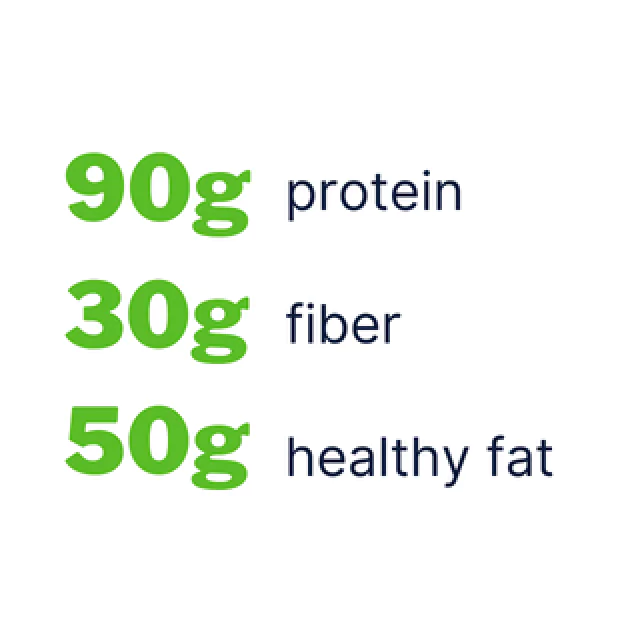
For the elderly, maintaining nutritional balance is key; this plan ensures that with 90 grams of easily digestible protein, 30 grams of fiber for regularity, and 50 grams of healthy fats to support cognitive function. It’s designed to cater to the specific dietary needs of older adults for optimal health.
Diet plan grocery list
Diet plan overview
The 90 30 50 diet plan for elderly focuses on meeting the specific nutritional needs of older adults to maintain muscle mass, digestive health, and cognitive function. It provides 90 grams of protein to help preserve muscle tissue, 30 grams of fiber to ensure smooth digestion, and 50 grams of healthy fats to support brain and heart health. The diet is rich in nutrients that are vital for aging bodies, such as calcium and vitamin D.
This plan is easy to follow and includes foods that are both appetizing and gentle on the stomach, making it ideal for older adults looking to maintain their health and independence.

Foods to eat
- Complex Carbohydrates: Whole grains like oatmeal, quinoa, and brown rice that provide sustained energy.
- Lean Proteins: Chicken breast, turkey, fish, and plant-based proteins like tofu and legumes.
- Healthy Fats: Sources include olive oil, avocados, and nuts, which are crucial for brain health.
- Dairy or Alternatives: Low-fat milk, yogurt, or fortified plant-based alternatives to ensure adequate calcium intake.
- Fruits and Vegetables: A variety of colorful produce to provide vitamins, minerals, and fiber.
Tip
Emphasize calcium-rich alkaline foods like kale and almonds to support bone health, crucial for the elderly to prevent osteoporosis and fractures.
Foods not to eat
- High-Sodium Foods: Processed meats, canned soups, and ready meals which are harmful for blood pressure.
- High-Sugar Foods: Sweets, desserts, and sugary drinks that can disrupt blood sugar levels.
- Heavy Creams and Cheeses: High-fat dairy products that can exacerbate cholesterol issues.
- Fried Foods: Items like french fries and fried chicken which are high in unhealthy fats.
- Refined Grains: White bread, pasta, and other processed grains that lack nutrients and fiber.
Main benefits
The 90 30 50 diet plan for elderly is designed to cater to the unique nutritional needs of older adults, focusing on high protein to preserve muscle mass, fiber to prevent constipation, and fats to support cognitive health and overall vitality.
How to budget on this diet plan
For the elderly following the 90 30 50 diet plan, purchasing softer, easy-to-chew foods such as ripe avocados and bananas can reduce preparation time and waste. Choosing high-fiber options like oatmeal helps maintain digestive health and is cost-effective when bought in bulk. Smaller, more frequent meals can be planned using the same ingredients repurposed creatively, minimizing shopping frequency and costs.
Meal plan suggestion
Day 1
- Breakfast: Rolled oats with blueberries, chia seeds, and a dollop of Greek yogurt
- Lunch: Quinoa salad with grilled chicken breast, spinach, avocado, and olive oil dressing
- Dinner: Baked salmon fillet with steamed broccoli and sweet potato mash
- Snack: Apple slices with almond butter
Day 2
- Breakfast: Whole wheat toast with scrambled eggs and sliced avocado
- Lunch: Lentil soup with carrots, kale, and a side of whole wheat bread
- Dinner: Stir-fried tofu with bell peppers, cauliflower, and brown rice
- Snack: Greek yogurt with sliced strawberries and a sprinkle of flaxseeds
Day 3
- Breakfast: Smoothie with banana, spinach, Greek yogurt, and flaxseed
- Lunch: Grilled chicken salad with mixed greens (spinach, kale), orange slices, and walnuts
- Dinner: Pan-seared salmon with roasted Brussels sprouts and quinoa
- Snack: Cottage cheese with sliced peaches and almonds
Day 4
- Breakfast: Omelette with spinach, mushrooms, and feta cheese
- Lunch: Chickpea and avocado salad with olive oil and lemon dressing
- Dinner: Grilled tofu steaks with steamed green beans and sweet potatoes
- Snack: Handful of mixed nuts (almonds, walnuts)
Day 5
- Breakfast: Greek yogurt with granola, blueberries, and a drizzle of honey
- Lunch: Quinoa and black bean stuffed bell peppers
- Dinner: Baked chicken breast with roasted carrots and broccoli
- Snack: Hummus with carrot sticks
Day 6
- Breakfast: Smoothie bowl with rolled oats, banana, strawberries, and chia seeds
- Lunch: Tuna salad with spinach, avocado, and whole grain pasta
- Dinner: Lentil curry with brown rice and sautéed kale
- Snack: Orange slices and a handful of walnuts
Day 7
- Breakfast: Cottage cheese pancakes with sliced bananas and a sprinkle of cinnamon
- Lunch: Grilled salmon with mixed greens salad and vinaigrette
- Dinner: Stir-fried tofu with broccoli, bell peppers, and whole grain pasta
- Snack: Sliced apples with peanut butter
Want to learn more?
Keep in mind
Other diet plans
-

Carnivore diet plan for diabetics
This diet plan on the carnivore diet for diabetic individuals is quite low on carbs while approximating almost 100 percent in protein and fats. This helps to control blood sugar levels. Avoiding sugars and most of carbs can make it possible to have diabetes well under control. It is a radical but straightforward dietary intervention which should be done with supervision and guidance from health practitioners.
-

Carnivore diet plan for healthy eating
Healthy eating in the carnivore diet plan comprises a range of nutrient-dense sourced meats, such as organs and bone broths, which contain critical vitamins and minerals. It aims to eliminate inflammatory reactions, which are characteristic of some lifestyle diseases, and cut back the diet to essential nutrients. It may seem limiting, however, it facilitates looking deeper into the quality of every piece of meat cuisine.
-

Carnivore diet plan for beginners
The following carnivore beginner’s plan is especially intended for those who are new to the carnivore way of life. It begins by eating only meat instead of animal-based foods. Just after a few weeks or so, start introducing other types of food, such as fish, poultry, and organ meat. No complicated steps involved - learn the basics of meat preparation and accommodate a new food pattern.