
90 30 50 diet plan for free
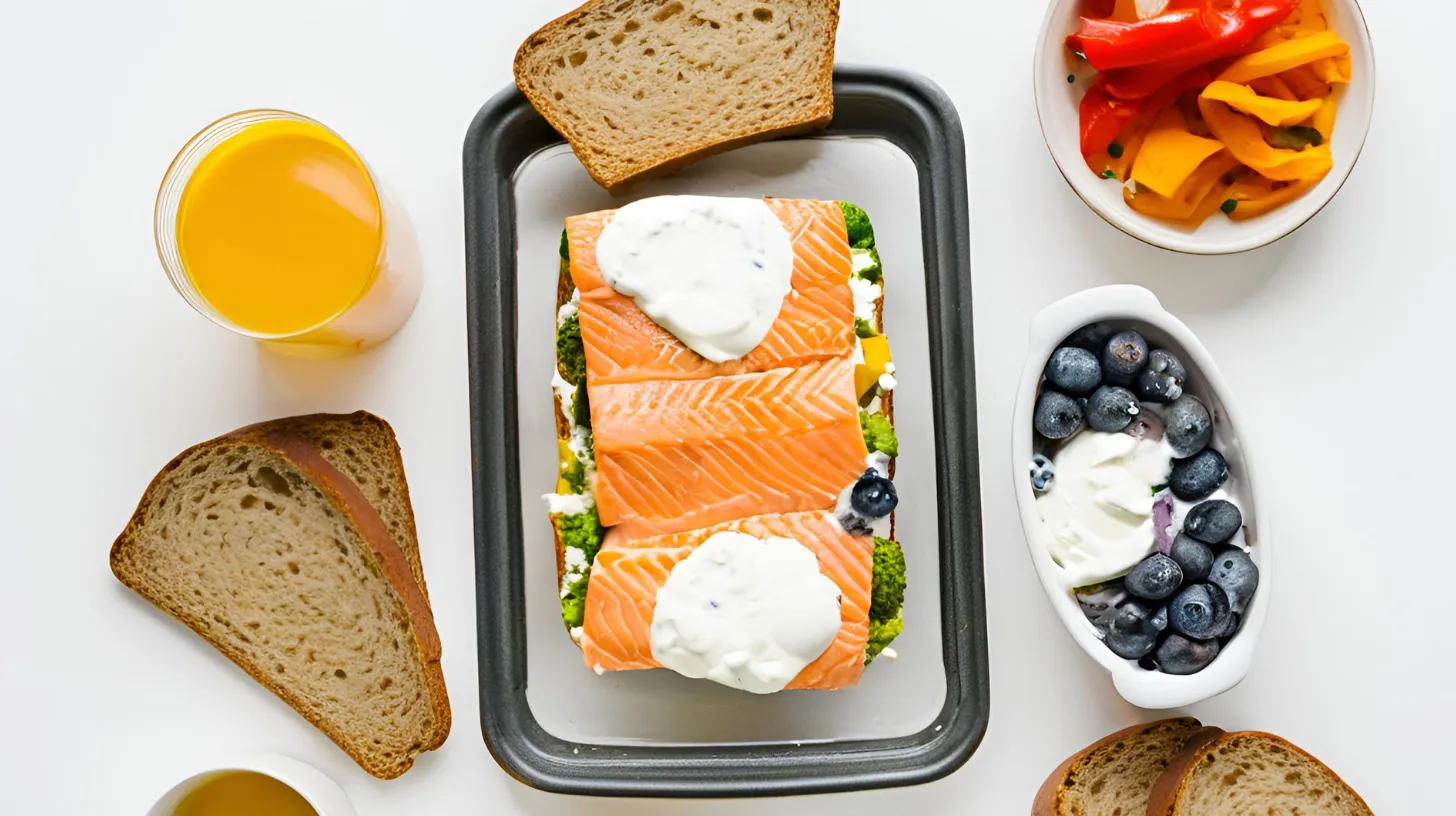
The 90 30 50 diet is crafted to balance your protein, fiber and fats intake which can make a difference in your well being. By striving for these targets you are likely to experience consistent energy levels and better digestion. It's a way to eat healthily without the need to meticulously track every calorie.
Diet plan grocery list
Diet plan overview
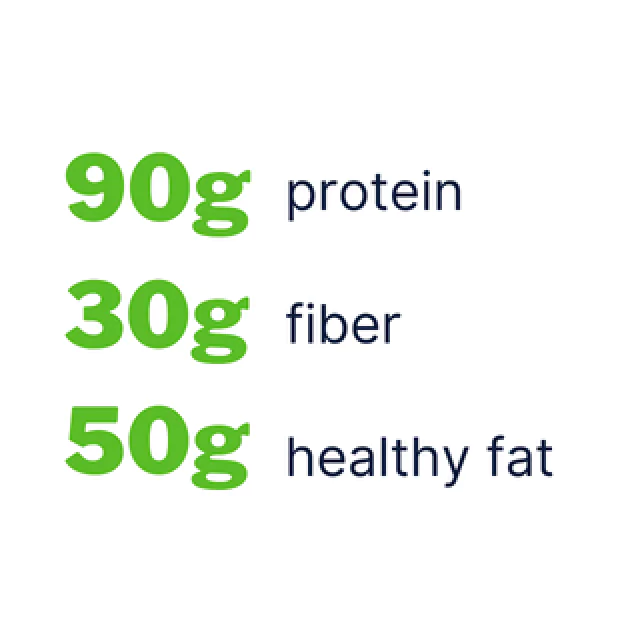
The 90 30 50 meal plan provides an approach to ensuring you receive nutrients each day. It emphasizes consuming 90 grams of protein for muscle and metabolic health maintenance along with 30 grams of fiber for wellness and 50 grams of fats for brain function and heart well-being enhancement. This diet isn't designed for any objective. It offers a balanced method suitable for anyone aiming to uphold or enhance their general health.
Embracing this dietary regimen can boost your energy levels. Reduce cravings. It's ideal for those seeking an approach to eating. Regular physical activity and proper hydration will complement the advantages promoting a healthier lifestyle.

Foods to eat
- Affordable Sources of Protein: Eggs, canned tuna, and lentils for cost-effective protein intake.
- Seasonal Vegetables: Opt for local, in-season produce to keep costs down.
- Bulk Grains: Oats, brown rice, and quinoa bought in bulk for savings.
- Frozen Fruits and Vegetables: They are often cheaper while still nutritious.
- Simple Fats: Olive oil, coconut oil, and peanut butter provide healthy fats without breaking the bank.
Tip
Incorporate nuts and seeds into your snacks to boost your healthy fat intake without breaking a sweat.
Foods not to eat
- Expensive Superfoods: Avoid costly superfoods like goji berries and acai.
- Prepackaged Health Snacks: Protein bars and energy snacks are often pricey.
- Specialty Products: Gluten-free and organic labels can raise prices unnecessarily.
- Exotic Meats: Skip high-cost meats like bison and venison.
- Artisan Products: Avoid overpriced artisan cheeses and specialty oils.
Main benefits
The 90 30 50 diet scheme ensures energy levels throughout the day due to the combination of proteins, fiber and healthy fats. You'll notice that it helps keep hunger in check reducing the desire, for snacks.
When you focus on eating foods high, in fiber it can enhance your digestion making you feel more energized and, at ease. Additionally the presence of fats can aid in boosting abilities and maintaining mental acuity.
How to budget on this diet plan
Eating according to the 90 30 50 diet doesn't have to break the bank. Keep an eye out for discounts. Consider purchasing portions of chicken or lean ground beef. Beans and lentils are sources of both protein and fiber. Choose store brand olive oil and nuts for your fats. Frozen vegetables can be more nutrient rich, than ones. Are a smart choice for budget friendly eating. Be strategic, in meal planning to minimize food waste by utilizing every ingredient throughout the week.
Meal plan suggestion
Day 1
- Breakfast: Greek yogurt with blueberries, strawberries, chia seeds, and walnuts
- Lunch: Grilled chicken breast with quinoa, spinach, and bell peppers
- Dinner: Baked salmon with sweet potatoes and broccoli
- Snack: Apple slices with almond butter
Day 2
- Breakfast: Overnight oats with bananas, flaxseeds, and Greek yogurt
- Lunch: Lean ground beef stir-fry with brown rice, carrots, and onions
- Dinner: Lentil soup with tomatoes, spinach, and whole grain bread
- Snack: Orange slices with cottage cheese
Day 3
- Breakfast: Eggs scrambled with spinach, tomatoes, and whole grain bread
- Lunch: Salmon salad with cucumbers, avocado, and olive oil dressing
- Dinner: Grilled chicken breast with brown rice, broccoli, and bell peppers
- Snack: Blueberries and almonds
Day 4
- Breakfast: Cottage cheese with strawberries, bananas, and chia seeds
- Lunch: Chickpea salad with cucumbers, tomatoes, and olive oil dressing
- Dinner: Baked lean ground beef meatballs with quinoa, spinach, and sweet potatoes
- Snack: Orange slices with walnuts
Day 5
- Breakfast: Greek yogurt with blueberries, apples, and chia seeds
- Lunch: Chicken breast wrap with whole grain bread, avocado, and spinach
- Dinner: Baked salmon with black beans, bell peppers, and carrots
- Snack: Banana with almond butter
Day 6
- Breakfast: Overnight oats with strawberries, flaxseeds, and Greek yogurt
- Lunch: Quinoa salad with chickpeas, cucumbers, and tomatoes
- Dinner: Grilled chicken breast with brown rice, broccoli, and onions
- Snack: Apple slices with walnuts
Day 7
- Breakfast: Eggs omelet with spinach, tomatoes, and whole grain bread
- Lunch: Lentil stew with bell peppers, carrots, and onions
- Dinner: Lean ground beef stuffed bell peppers with quinoa, spinach, and chickpeas
- Snack: Greek yogurt with blueberries and almonds
Want to learn more?
Keep in mind
Other diet plans
-

Carnivore diet plan for diabetics
This diet plan on the carnivore diet for diabetic individuals is quite low on carbs while approximating almost 100 percent in protein and fats. This helps to control blood sugar levels. Avoiding sugars and most of carbs can make it possible to have diabetes well under control. It is a radical but straightforward dietary intervention which should be done with supervision and guidance from health practitioners.
-

Carnivore diet plan for healthy eating
Healthy eating in the carnivore diet plan comprises a range of nutrient-dense sourced meats, such as organs and bone broths, which contain critical vitamins and minerals. It aims to eliminate inflammatory reactions, which are characteristic of some lifestyle diseases, and cut back the diet to essential nutrients. It may seem limiting, however, it facilitates looking deeper into the quality of every piece of meat cuisine.
-

Carnivore diet plan for beginners
The following carnivore beginner’s plan is especially intended for those who are new to the carnivore way of life. It begins by eating only meat instead of animal-based foods. Just after a few weeks or so, start introducing other types of food, such as fish, poultry, and organ meat. No complicated steps involved - learn the basics of meat preparation and accommodate a new food pattern.