
90 30 50 diet plan for intermittent fasting
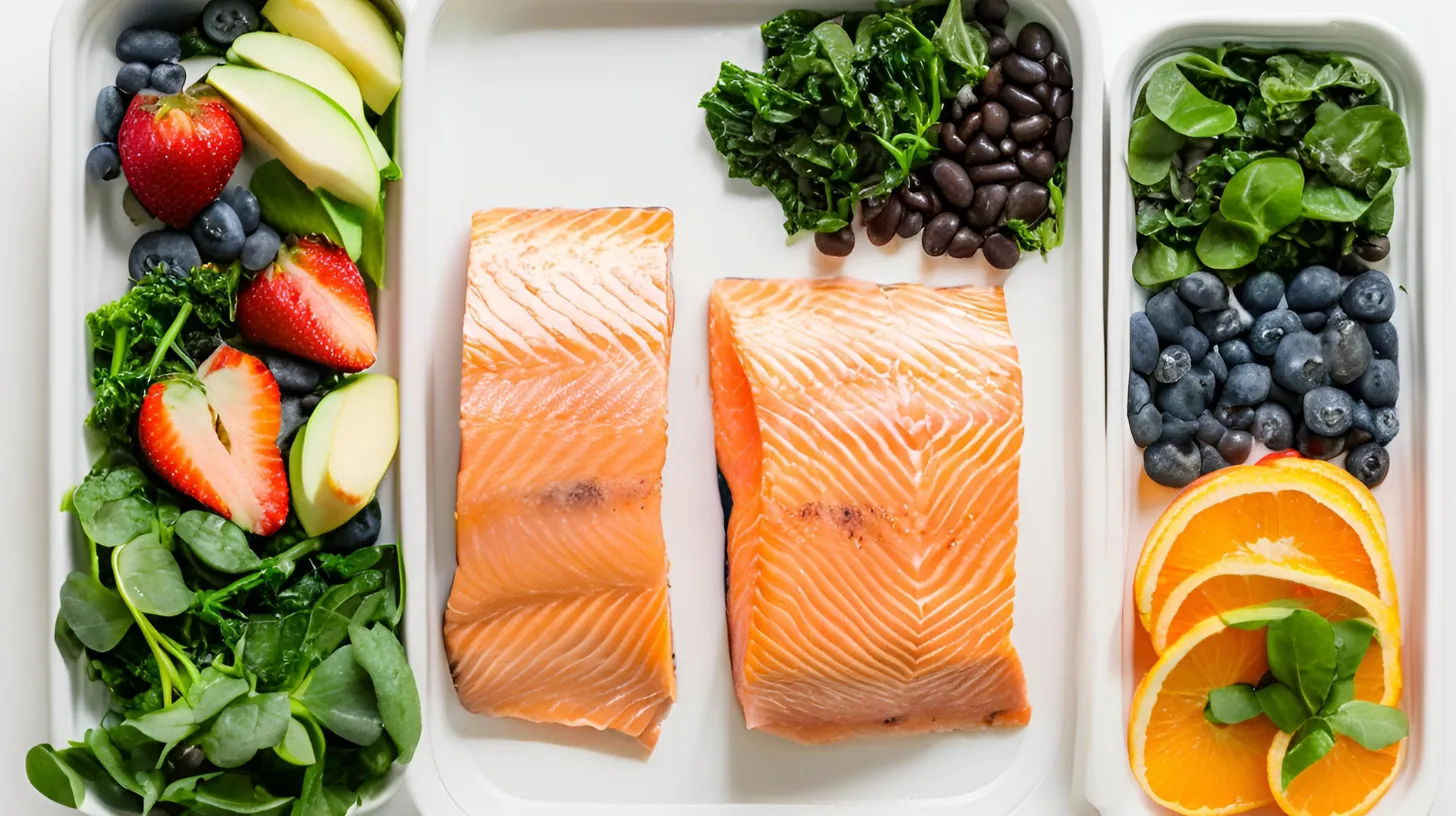
Pairing the 90 30 50 diet with intermittent fasting can streamline your health goals, focusing on when and what you eat. This combination helps manage calorie intake without sacrificing nutrition, thanks to well-balanced meals rich in protein, fiber, and fats. It’s all about timing your meals to get the most out of these nutrients.
Diet plan grocery list
Diet plan overview
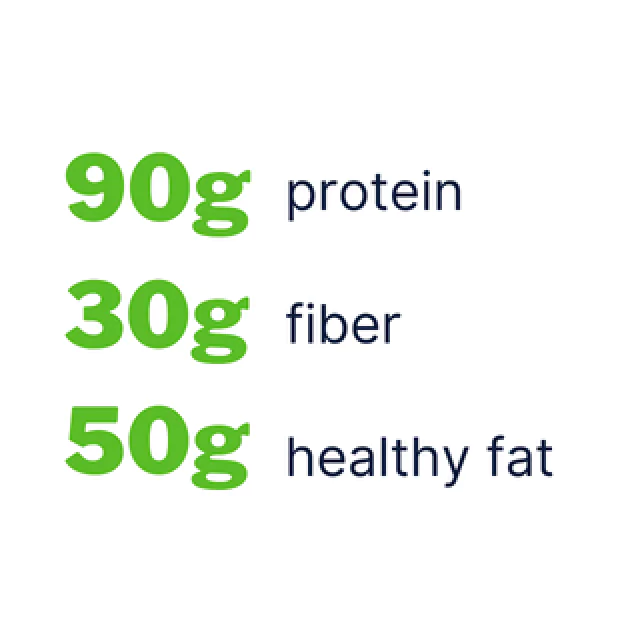
The 90 30 50 diet plan for intermittent fasting works well for those who prefer time-restricted eating. You still get 90 grams of protein, which is crucial during the eating windows to maintain muscle mass and satiety. The 30 grams of fiber will help regulate digestion, especially important during fasting periods. Meanwhile, 50 grams of healthy fats provide long-lasting energy which is essential in a fasting-focused lifestyle.
This dietary setup can be particularly effective when trying to lose weight or manage insulin levels. Combining intermittent fasting with the 90 30 50 diet enhances the benefits of both, potentially leading to better metabolic health and more effective weight management. Always ensure you are well-hydrated and consult a healthcare provider before starting any new diet regimen.
Foods to eat
- Lean Proteins: Chicken breast, turkey, and lean beef for sustaining muscle during fasting periods.
- Non-Starchy Vegetables: Broccoli, spinach, and cauliflower to stay full without spiking insulin.
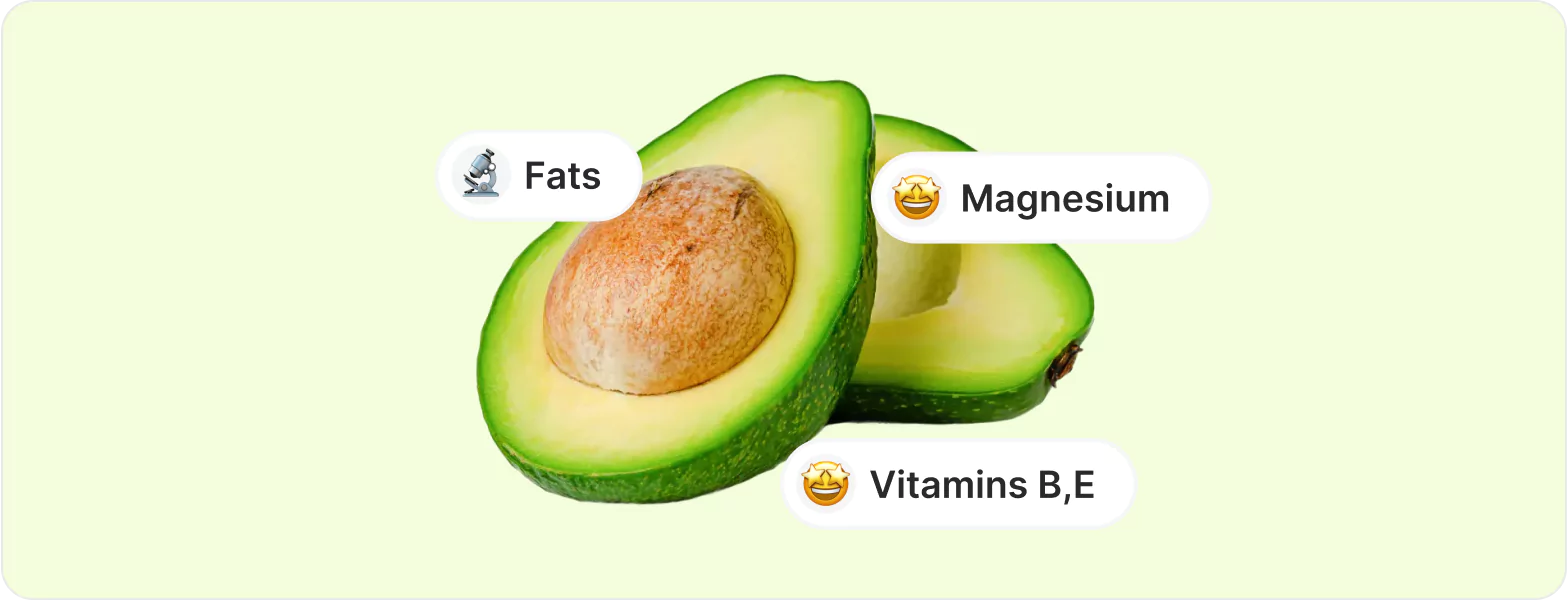
- Healthy Fats: Avocado, olive oil, and fatty fish for steady energy.
- Berries: High in fiber and antioxidants, but low in sugar.
- Bone Broth: Supports gut health and provides electrolytes and protein.
Tip
During intermittent fasting, break your fast with avocado and salmon to replenish healthy fats and proteins without spiking your blood sugar.
Foods not to eat
- Sugary Breakfast Cereals: They can cause insulin spikes and make fasting periods difficult.
- Refined Grains: Avoid white bread, pasta, and other refined grains.
- Sugary Drinks: Soda, fruit juices, and energy drinks spike blood sugar levels.
- Processed Meats: Deli meats and bacon can contain additives and excess salt.
- Trans Fats: Avoid margarine and processed baked goods.
Main benefits
The 90 30 50 diet plan for intermittent fasting ensures your meals are packed with satiating proteins, fibers, and fats to sustain energy during fasting periods. It focuses on high-fiber foods like chia seeds and leafy greens, which slow digestion and keep you feeling full longer. Lean proteins like poultry and seafood prevent muscle loss, while healthy fats like coconut oil provide steady energy.
How to budget on this diet plan
While doing intermittent fasting with the 90 30 50 diet plan, focus on nutrient-dense foods during your eating window. Eggs and cottage cheese are excellent, inexpensive protein sources. Fibrous vegetables like broccoli and cauliflower can be frozen in batches to minimize waste. Pick up a large bottle of extra virgin olive oil for salads and cooking. Plan your meals ahead of time so you’re not tempted to overspend or reach for pricier convenience foods.
Meal plan suggestion
Day 1
- Breakfast: Greek yogurt with chia seeds, blueberries, and flaxseeds
- Lunch: Chicken breast with quinoa and roasted Brussels sprouts
- Dinner: Salmon with Greek salad mix and avocado
- Snack: Apple with almond butter
Day 2
- Breakfast: Cottage cheese with strawberries and walnuts
- Lunch: Ground turkey with sweet potatoes and steamed broccoli
- Dinner: Tofu stir-fry with bell peppers, kale, and brown rice
- Snack: Orange with almonds
Day 3
- Breakfast: Oats with flaxseeds, blueberries, and Greek yogurt
- Lunch: Salmon with spinach and roasted cauliflower
- Dinner: Ground turkey with quinoa and roasted Brussels sprouts
- Snack: Avocado with chia seeds
Day 4
- Breakfast: Eggs with spinach, avocado, and strawberries
- Lunch: Chicken breast with brown rice and steamed kale
- Dinner: Lentils with roasted bell peppers and sweet potatoes
- Snack: Apple with walnuts
Day 5
- Breakfast: Greek yogurt with chia seeds, flaxseeds, and blueberries
- Lunch: Tofu with quinoa and roasted Brussels sprouts
- Dinner: Salmon with Greek salad mix and avocado
- Snack: Orange with almonds
Day 6
- Breakfast: Cottage cheese with strawberries and chia seeds
- Lunch: Ground turkey with sweet potatoes and roasted cauliflower
- Dinner: Black beans with bell peppers and quinoa
- Snack: Apple with walnuts
Day 7
- Breakfast: Oats with flaxseeds, blueberries, and Greek yogurt
- Lunch: Chicken breast with brown rice and roasted Brussels sprouts
- Dinner: Lentils with Greek salad mix and sweet potatoes
- Snack: Orange with almonds
Want to learn more?
Keep in mind
Other diet plans
-

Carnivore diet plan for diabetics
This diet plan on the carnivore diet for diabetic individuals is quite low on carbs while approximating almost 100 percent in protein and fats. This helps to control blood sugar levels. Avoiding sugars and most of carbs can make it possible to have diabetes well under control. It is a radical but straightforward dietary intervention which should be done with supervision and guidance from health practitioners.
-

Carnivore diet plan for healthy eating
Healthy eating in the carnivore diet plan comprises a range of nutrient-dense sourced meats, such as organs and bone broths, which contain critical vitamins and minerals. It aims to eliminate inflammatory reactions, which are characteristic of some lifestyle diseases, and cut back the diet to essential nutrients. It may seem limiting, however, it facilitates looking deeper into the quality of every piece of meat cuisine.
-

Carnivore diet plan for beginners
The following carnivore beginner’s plan is especially intended for those who are new to the carnivore way of life. It begins by eating only meat instead of animal-based foods. Just after a few weeks or so, start introducing other types of food, such as fish, poultry, and organ meat. No complicated steps involved - learn the basics of meat preparation and accommodate a new food pattern.