
90 30 50 diet plan for low carb high protein
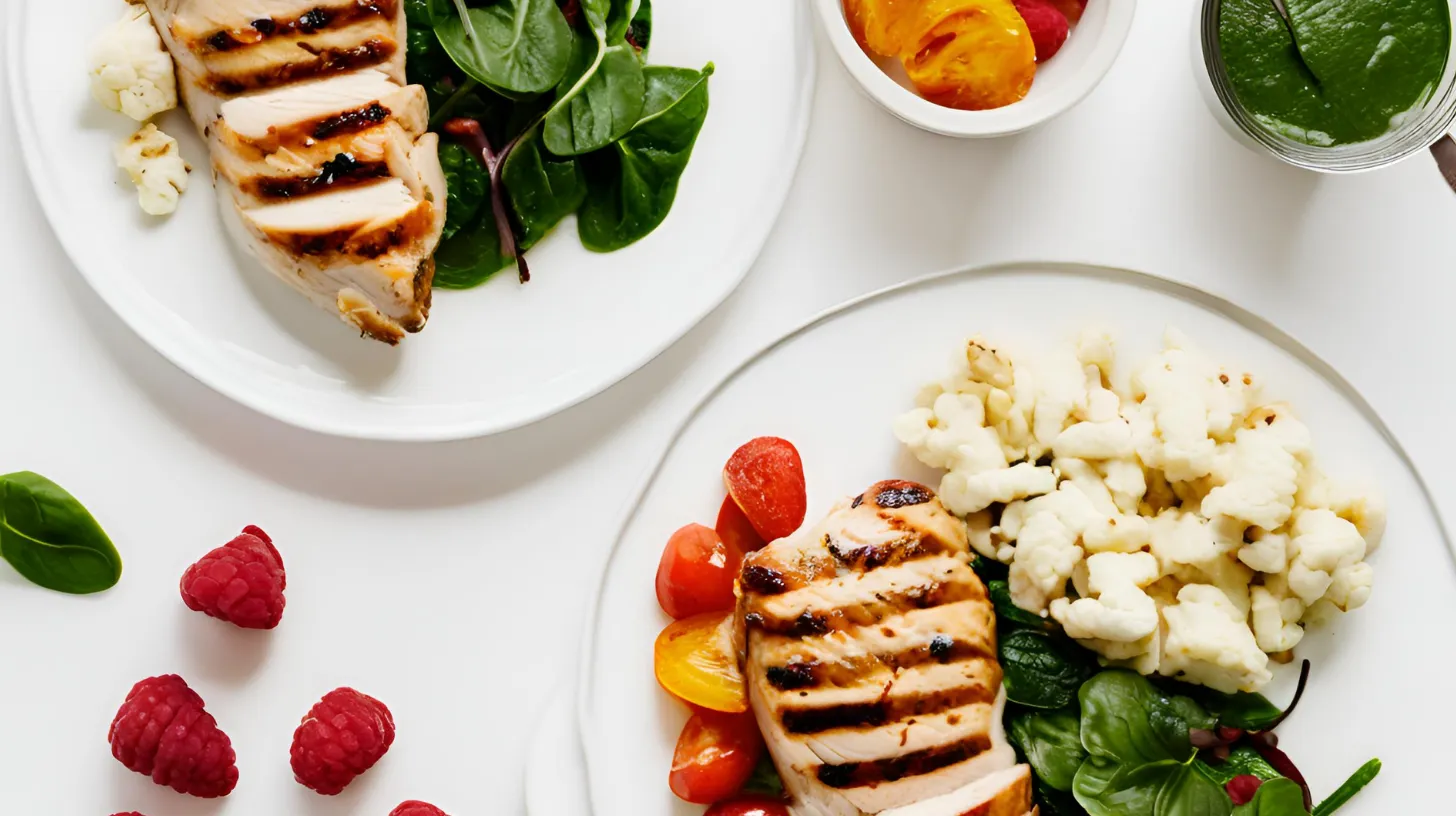
The 90 30 50 diet fits perfectly with a low-carb, high-protein approach, emphasizing nutrients that support lean muscle and reduced carbohydrate intake. This plan encourages you to focus on healthy fats and fiber, which can help manage hunger and sustain energy. It’s ideal for those looking to minimize carbs without feeling restricted.
Diet plan grocery list
Diet plan overview
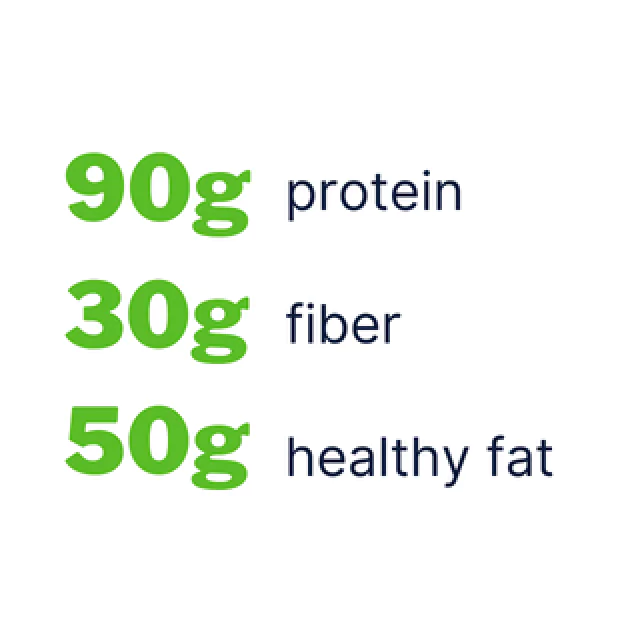
The 90 30 50 diet plan for low carb high protein is designed to help you maintain muscle mass while cutting carbs. By focusing on at least 90 grams of protein, 30 grams of fiber, and 50 grams of healthy fats daily, it ensures a balanced intake that supports a low-carb lifestyle. This diet plan is perfect for those looking to lose weight or maintain a lean physique without sacrificing their protein intake.
In this diet, emphasis is placed on selecting high-quality protein sources like lean meats, fish, and legumes, combined with fiber-rich vegetables and fruits. Healthy fats from sources such as avocados, nuts, and seeds play a crucial role in providing sustained energy and supporting overall health.

Foods to eat
- Eggs: Rich in protein and low in carbs, perfect for breakfast or snacks.
- Leafy Greens: Spinach, kale, and lettuce are great for salads or sautéing.
- Fatty Fish: Salmon and sardines provide protein and healthy fats.
- Meat and Poultry: Chicken, beef, and turkey offer plenty of protein.
- Healthy Oils: Olive oil, avocado oil, and coconut oil add flavor and fats.
Tip
Opt for eggs, cottage cheese, and leafy greens to keep your protein high and carbs low while still meeting your fiber and fat needs.
Foods not to eat
- High-Carb Grains: Avoid bread, rice, and pasta.
- Sugary Foods: Limit candies, cookies, and cakes.
- Starchy Vegetables: Potatoes, corn, and peas are best minimized.
- Legumes: Beans and lentils can be higher in carbs.
- Soda and Fruit Juices: Packed with sugar, these drinks should be avoided.
Main benefits
The 90 30 50 diet plan for low carb high protein prioritizes lean proteins like turkey and fish to maximize muscle maintenance while minimizing carb intake. Fiber-rich veggies like broccoli and spinach keep you full without adding carbs, and healthy fats like avocados promote brain health and curb cravings. This plan is perfect for those seeking muscle definition while staying low on carbs.
How to budget on this diet plan
A low-carb, high-protein approach to the 90 30 50 diet plan can be done on a budget by opting for versatile proteins like ground turkey and tofu. Frozen vegetables like spinach and cauliflower are excellent low-carb fiber sources. Choose canned salmon and sardines as cheap yet high-quality fatty fish options. Coconut oil and almonds can help with healthy fat intake without blowing your grocery budget. Keep an eye out for sales on meats and bulk-buy when possible.
Meal plan suggestion
Day 1
- Breakfast: Greek yogurt with chia seeds, strawberries, and blueberries
- Lunch: Grilled chicken breast with quinoa and steamed broccoli
- Dinner: Salmon fillet with roasted Brussels sprouts and cauliflower rice
- Snack: Almonds and a cucumber
Day 2
- Breakfast: Cottage cheese with raspberries, flax seeds, and an apple
- Lunch: Turkey breast with a spinach and bell pepper salad, dressed with olive oil
- Dinner: Tofu stir-fry with green beans, kale, and coconut oil
- Snack: Walnuts and a celery stick
Day 3
- Breakfast: Scrambled eggs with tomatoes and avocado
- Lunch: Grilled salmon with lentils and sautéed spinach
- Dinner: Turkey breast with roasted Brussels sprouts and quinoa
- Snack: Cottage cheese with blueberries
Day 4
- Breakfast: Greek yogurt with flax seeds, strawberries, and a carrot
- Lunch: Chicken breast with steamed green beans and quinoa
- Dinner: Baked salmon with cauliflower rice and sautéed kale
- Snack: Almonds and an orange
Day 5
- Breakfast: Cottage cheese with raspberries, chia seeds, and an apple
- Lunch: Tofu salad with spinach, bell peppers, and olive oil dressing
- Dinner: Turkey breast with roasted Brussels sprouts and steamed broccoli
- Snack: Walnuts and celery sticks
Day 6
- Breakfast: Scrambled eggs with tomatoes, spinach, and avocado
- Lunch: Grilled chicken breast with lentils and sautéed kale
- Dinner: Salmon fillet with roasted cauliflower and sautéed spinach
- Snack: Greek yogurt with strawberries and almonds
Day 7
- Breakfast: Greek yogurt with flax seeds, blueberries, and an orange
- Lunch: Tofu stir-fry with green beans, kale, and coconut oil
- Dinner: Turkey breast with steamed Brussels sprouts and quinoa
- Snack: Cottage cheese with strawberries
Want to learn more?
Keep in mind
Other diet plans
-

Carnivore diet plan for diabetics
This diet plan on the carnivore diet for diabetic individuals is quite low on carbs while approximating almost 100 percent in protein and fats. This helps to control blood sugar levels. Avoiding sugars and most of carbs can make it possible to have diabetes well under control. It is a radical but straightforward dietary intervention which should be done with supervision and guidance from health practitioners.
-

Carnivore diet plan for healthy eating
Healthy eating in the carnivore diet plan comprises a range of nutrient-dense sourced meats, such as organs and bone broths, which contain critical vitamins and minerals. It aims to eliminate inflammatory reactions, which are characteristic of some lifestyle diseases, and cut back the diet to essential nutrients. It may seem limiting, however, it facilitates looking deeper into the quality of every piece of meat cuisine.
-

Carnivore diet plan for beginners
The following carnivore beginner’s plan is especially intended for those who are new to the carnivore way of life. It begins by eating only meat instead of animal-based foods. Just after a few weeks or so, start introducing other types of food, such as fish, poultry, and organ meat. No complicated steps involved - learn the basics of meat preparation and accommodate a new food pattern.