
90 30 50 diet plan for muscle gain
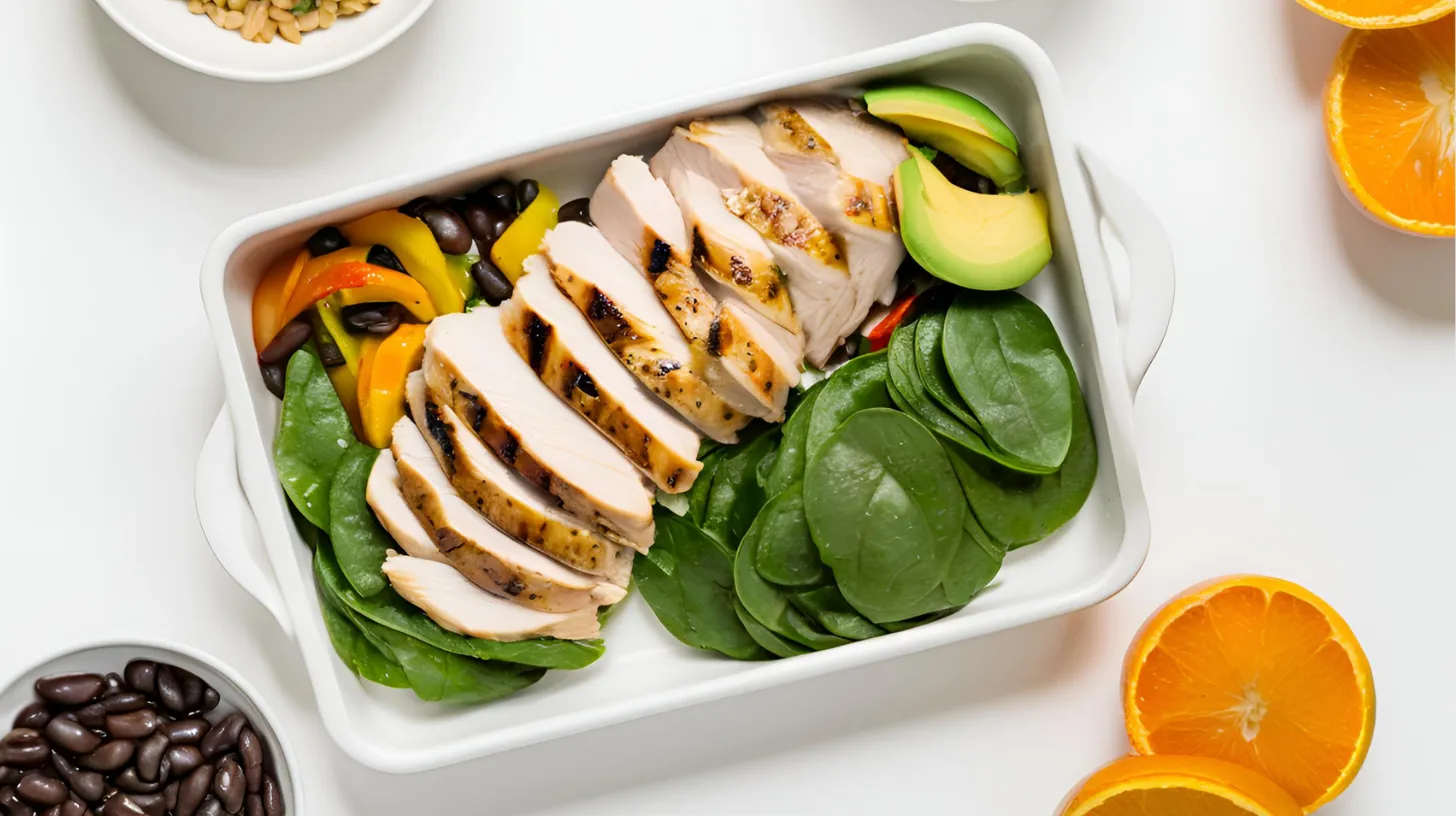
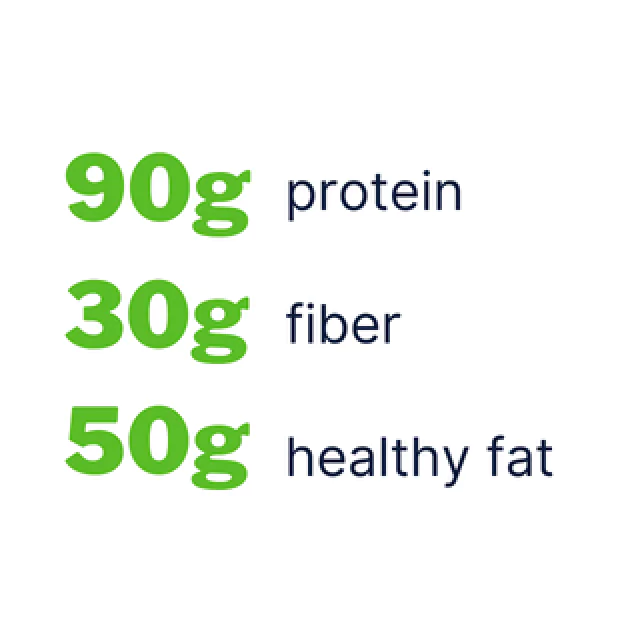
When it's about packing on muscle, the 90 30 50 diet plan targets key nutrients to fuel growth and recovery. With at least 90 grams of protein daily, this plan supports muscle repair and growth, essential for anyone looking to bulk up. The inclusion of 30 grams of fiber and 50 grams of healthy fats ensures your energy levels are balanced, making your workouts more effective.
Diet plan grocery list
Diet plan overview
If you're looking to pack on some muscle, the 90 30 50 diet plan for muscle gain might be your ticket. It ensures you get at least 90 grams of protein daily, crucial for muscle repair and growth. Additionally, 30 grams of fiber will help your digestive system stay on track, while 50 grams of healthy fats support hormone health and energy levels. This diet is designed to fuel intense workouts and aid in recovery, making it a great choice for athletes and bodybuilders.
This balanced approach not only supports muscle growth but also contributes to overall health. Remember to complement the diet with strength training and adequate hydration to maximize your gains. Consistency is key, so make sure to stick with the plan to see significant muscle development over time.

Foods to eat
- High-Calorie Nuts and Nut Butters: Peanuts, almonds, cashew nuts, and their butters for dense protein and calorie intake.
- Whole Milk and Full-Fat Dairy: For added calories and protein, including cheeses and full-fat yogurt.
- Starchy Vegetables: Potatoes, sweet potatoes, and corn, which are high in carbohydrates and help in weight gain.
- Lean and Fatty Meats: Beef, pork, and lamb to provide high-quality protein and essential fats.
- Dried Fruits: High in natural sugars and calories, perfect for adding to meals or snacks.
Tip
For muscle gain, focus on lean meats and Greek yogurt to hit your protein goals, while adding fiber-rich veggies like broccoli for that extra edge.
Foods not to eat
- Low-Calorie Vegetables: Avoid excessive amounts of leafy greens like lettuce and spinach.
- Sugary Snacks: Stay away from processed snacks that are low in nutritional value.
- Refined Grains: Limit white bread and pasta, which provide empty calories.
- Low-Fat Dairy: Skip skim milk and low-fat cheeses, as they are less calorie-dense.
- Processed Meats: Reduce intake of sausages, hot dogs, and deli meats.
Main benefits
The 90 30 50 diet plan for muscle gain maximizes muscle recovery with its high-protein focus, ensuring your body always has what it needs to rebuild stronger. The fiber component helps control blood sugar levels, preventing energy dips that can interfere with your workouts. Healthy fats like avocado and nuts support hormone production crucial for muscle growth, while also reducing inflammation for quicker recovery.
How to budget on this diet plan
To build muscle on the 90 30 50 diet plan, stock up on affordable protein sources like eggs, canned tuna, and chicken thighs. Buy oats and brown rice in bulk to meet your fiber goals without breaking the bank. Healthy fats can come from budget-friendly options like peanut butter and olive oil. Shop for seasonal vegetables to round out your meals with more fiber. Make protein shakes at home using whey protein and frozen fruits for a cost-effective post-workout boost.
Meal plan suggestion
Day 1
- Breakfast: Oats with Greek yogurt, chia seeds, strawberries, and almonds
- Lunch: Grilled chicken breast with quinoa, steamed broccoli, and avocado
- Dinner: Baked salmon with sweet potatoes and sautéed spinach
- Snack: Apple with peanut butter
Day 2
- Breakfast: Scrambled eggs with kale and bell peppers, whole wheat bread with avocado
- Lunch: Turkey breast with brown rice, Brussels sprouts, and a side of blueberries
- Dinner: Beef sirloin with lentils and roasted cauliflower
- Snack: Cottage cheese with flaxseeds and strawberries
Day 3
- Breakfast: Smoothie with Greek yogurt, blueberries, chia seeds, and kale
- Lunch: Tofu stir-fry with quinoa, bell peppers, and Brussels sprouts
- Dinner: Grilled chicken breast with sweet potatoes and steamed broccoli
- Snack: Orange with Greek feta cheese
Day 4
- Breakfast: Oats with Greek yogurt, chia seeds, blueberries, and almonds
- Lunch: Salmon with brown rice, steamed spinach, and a side of strawberries
- Dinner: Beef sirloin with quinoa, roasted cauliflower, and kale
- Snack: Cottage cheese with flaxseeds and apples
Day 5
- Breakfast: Scrambled eggs with spinach and bell peppers, whole wheat bread with avocado
- Lunch: Turkey breast with lentils, steamed broccoli, and a side of blueberries
- Dinner: Tofu stir-fry with quinoa, Brussels sprouts, and kale
- Snack: Greek yogurt with strawberries and chia seeds
Day 6
- Breakfast: Smoothie with Greek yogurt, spinach, blueberries, and chia seeds
- Lunch: Grilled chicken breast with brown rice, steamed cauliflower, and avocado
- Dinner: Salmon with sweet potatoes and roasted Brussels sprouts
- Snack: Orange with Greek feta cheese
Day 7
- Breakfast: Oats with Greek yogurt, chia seeds, blueberries, and almonds
- Lunch: Turkey breast with quinoa, steamed broccoli, and avocado
- Dinner: Beef sirloin with lentils and roasted Brussels sprouts
- Snack: Apple with peanut butter
Want to learn more?
Keep in mind
Other diet plans
-

Carnivore diet plan for diabetics
This diet plan on the carnivore diet for diabetic individuals is quite low on carbs while approximating almost 100 percent in protein and fats. This helps to control blood sugar levels. Avoiding sugars and most of carbs can make it possible to have diabetes well under control. It is a radical but straightforward dietary intervention which should be done with supervision and guidance from health practitioners.
-

Carnivore diet plan for healthy eating
Healthy eating in the carnivore diet plan comprises a range of nutrient-dense sourced meats, such as organs and bone broths, which contain critical vitamins and minerals. It aims to eliminate inflammatory reactions, which are characteristic of some lifestyle diseases, and cut back the diet to essential nutrients. It may seem limiting, however, it facilitates looking deeper into the quality of every piece of meat cuisine.
-

Carnivore diet plan for beginners
The following carnivore beginner’s plan is especially intended for those who are new to the carnivore way of life. It begins by eating only meat instead of animal-based foods. Just after a few weeks or so, start introducing other types of food, such as fish, poultry, and organ meat. No complicated steps involved - learn the basics of meat preparation and accommodate a new food pattern.