
90 30 50 diet plan for one person
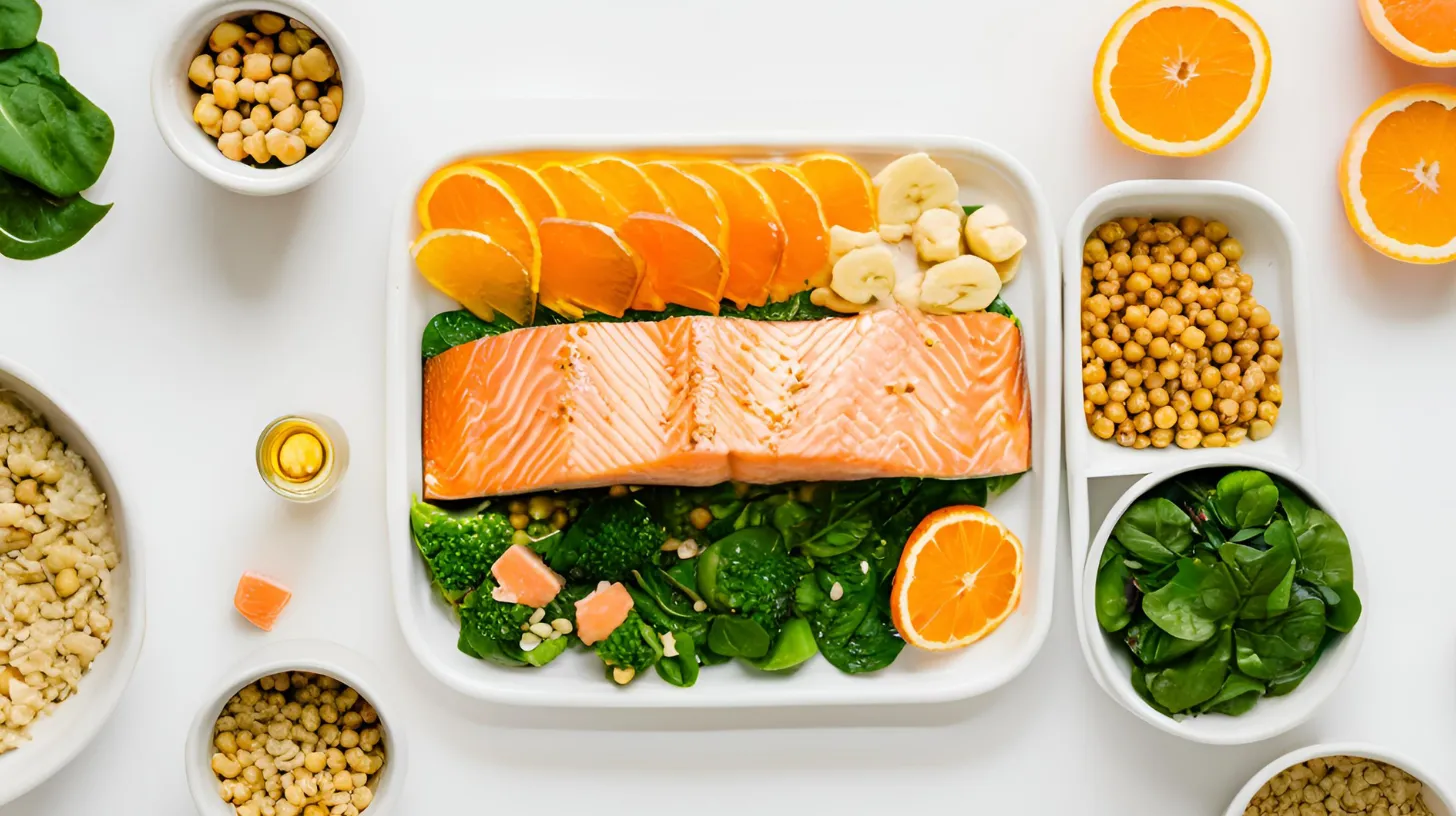
Tailoring the 90 30 50 diet for one person means focusing on precise nutrient goals that cater to individual needs. This plan simplifies meal planning with clear targets for protein, fats, and fiber, making it easier to shop and cook for one. It’s a practical approach that adjusts as your preferences and health goals evolve.
Diet plan grocery list
Diet plan overview
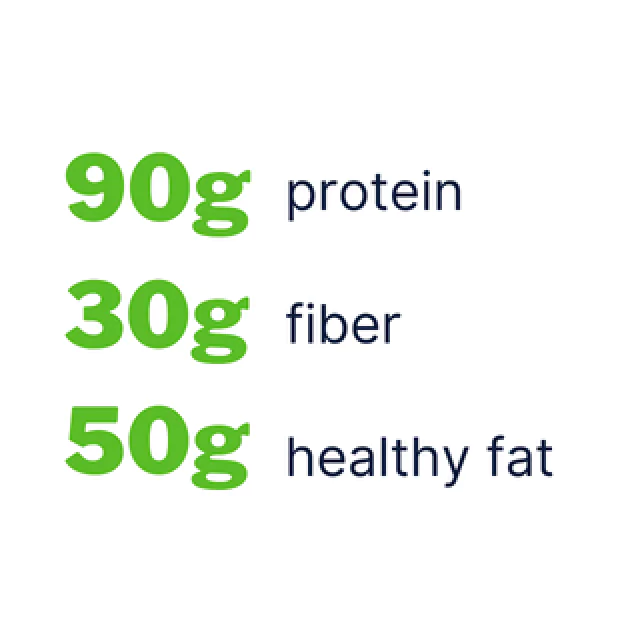
The 90 30 50 diet plan for one person is tailored for individual dietary needs, making it simple to follow without having to adjust portions for multiple people. This plan involves consuming 90 grams of protein from sources like lean meats, eggs, and dairy, paired with 30 grams of fiber from vegetables and fruits, and 50 grams of healthy fats from sources such as olive oil and fatty fish.
It's an ideal plan for singles looking for a balanced diet without the hassle of recalculating nutrients for different serving sizes. The diet is also flexible enough to accommodate any personal dietary restrictions or preferences, ensuring that you can stick to it with ease and enjoy a variety of foods that contribute to overall health.
Foods to eat
- Pre-Portioned Protein: Chicken breasts, steaks, and fish fillets for easy meal prep.
- Frozen Vegetables: Single-serve packs make it easy to add fiber to meals.
- Individual Dairy Portions: Greek yogurt and cheese sticks for quick snacks.
- Meal Prep Staples: Brown rice, quinoa, and oats for quick and healthy carbs.
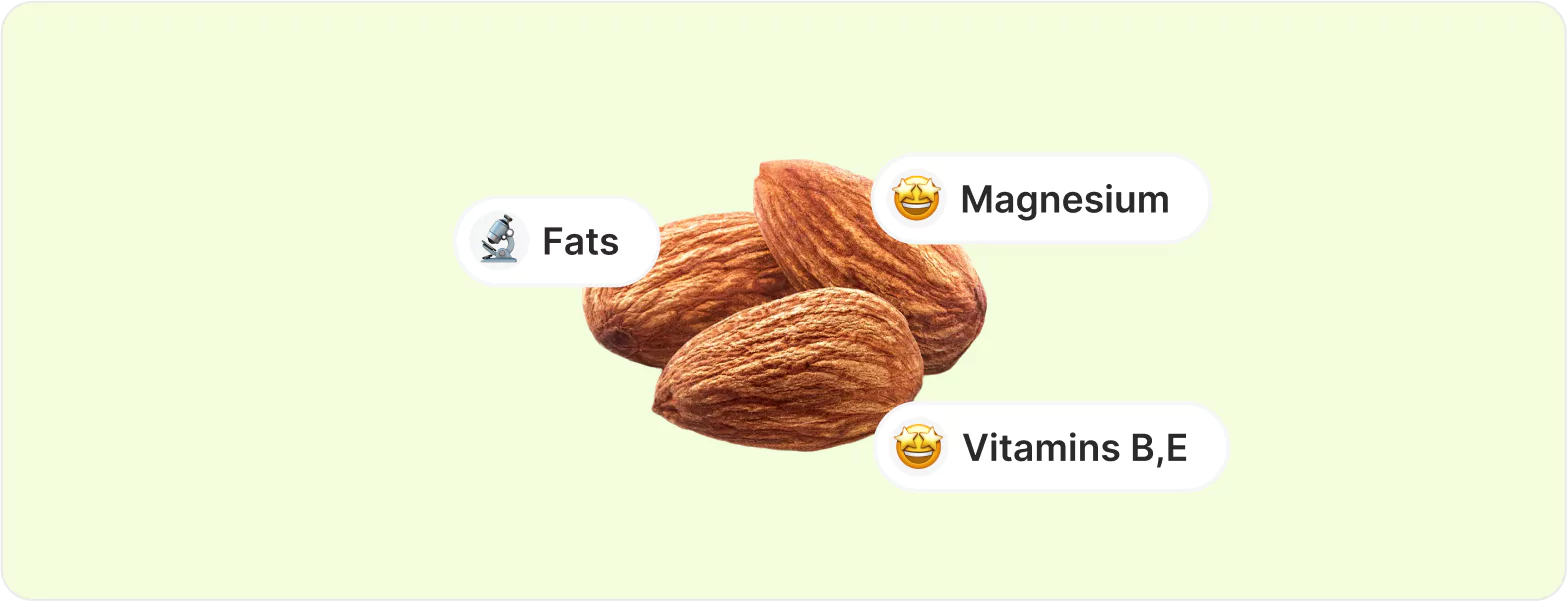
- Nuts and Seeds: Perfect for snacking and adding healthy fats.
Tip
For a simple, balanced meal for one, try a hearty chickpea salad with olive oil, roasted veggies, and grilled chicken breast.
Foods not to eat
- Bulk Packs: Big bags of snacks or produce can lead to waste.
- Expensive Meal Kits: They can be unnecessarily costly and complex.
- Processed Snacks: Avoid large packs of chips and cookies that can lead to overeating.
- Sugary Drinks: Soda and fruit juices add empty calories.
- Frozen Dinners: Often high in sodium and lack nutrients.
Main benefits
The 90 30 50 diet plan for one person is perfectly portioned to avoid waste and makes meal planning simple and efficient. By focusing on single servings, it's easier to track your nutritional intake without feeling overwhelmed. The emphasis on protein, fiber, and healthy fats helps maintain energy and keeps you satisfied between meals. It also encourages mindful eating, promoting a healthier relationship with food.
How to budget on this diet plan
Cooking for one on the 90 30 50 diet plan can be a breeze if you meal prep. Buy in bulk and then portion out your meals, freezing some for later to minimize waste. Stick to versatile ingredients like eggs, beans, and leafy greens, which can be mixed and matched across meals. Invest in healthy fats that last a long time, like olive oil, and make sure you're using up every last ounce of your groceries.
Meal plan suggestion
Day 1
- Breakfast: Rolled oats with Greek yogurt, blueberries, chia seeds, and walnuts
- Lunch: Grilled chicken breast with quinoa, spinach, and bell peppers
- Dinner: Baked salmon fillet with brown rice, steamed broccoli, and avocado
- Snack: Cottage cheese with strawberries
Day 2
- Breakfast: Smoothie with low-fat milk, Greek yogurt, banana, and flaxseeds
- Lunch: Tofu stir-fry with chickpeas, carrots, and tomatoes
- Dinner: Turkey breast with sweet potatoes, spinach, and cucumbers
- Snack: Almonds and orange slices
Day 3
- Breakfast: Whole wheat toast with avocado, poached eggs, and tomatoes
- Lunch: Lentil salad with cucumber, bell peppers, and olive oil dressing
- Dinner: Lean ground beef patties with quinoa, broccoli, and carrots
- Snack: Greek yogurt with blueberries and chia seeds
Day 4
- Breakfast: Cottage cheese with rolled oats, strawberries, and flaxseeds
- Lunch: Baked salmon fillet with quinoa, spinach, and cucumbers
- Dinner: Turkey breast with brown rice, bell peppers, and tomatoes
- Snack: Almonds and banana slices
Day 5
- Breakfast: Smoothie with low-fat milk, Greek yogurt, blueberries, and walnuts
- Lunch: Chicken breast with quinoa, black beans, and steamed broccoli
- Dinner: Lean ground beef with sweet potatoes, spinach, and cucumbers
- Snack: Greek yogurt with strawberries
Day 6
- Breakfast: Rolled oats with Greek yogurt, strawberries, and chia seeds
- Lunch: Lentil salad with carrots, tomatoes, and olive oil dressing
- Dinner: Tofu stir-fry with brown rice, bell peppers, and spinach
- Snack: Cottage cheese with blueberries and walnuts
Day 7
- Breakfast: Whole wheat toast with avocado, poached eggs, and tomatoes
- Lunch: Grilled chicken breast with black beans, quinoa, and cucumbers
- Dinner: Baked salmon fillet with sweet potatoes, spinach, and carrots
- Snack: Almonds and orange slices
Want to learn more?
Keep in mind
Other diet plans
-

Carnivore diet plan for diabetics
This diet plan on the carnivore diet for diabetic individuals is quite low on carbs while approximating almost 100 percent in protein and fats. This helps to control blood sugar levels. Avoiding sugars and most of carbs can make it possible to have diabetes well under control. It is a radical but straightforward dietary intervention which should be done with supervision and guidance from health practitioners.
-

Carnivore diet plan for healthy eating
Healthy eating in the carnivore diet plan comprises a range of nutrient-dense sourced meats, such as organs and bone broths, which contain critical vitamins and minerals. It aims to eliminate inflammatory reactions, which are characteristic of some lifestyle diseases, and cut back the diet to essential nutrients. It may seem limiting, however, it facilitates looking deeper into the quality of every piece of meat cuisine.
-

Carnivore diet plan for beginners
The following carnivore beginner’s plan is especially intended for those who are new to the carnivore way of life. It begins by eating only meat instead of animal-based foods. Just after a few weeks or so, start introducing other types of food, such as fish, poultry, and organ meat. No complicated steps involved - learn the basics of meat preparation and accommodate a new food pattern.