
90 30 50 diet plan for picky eaters
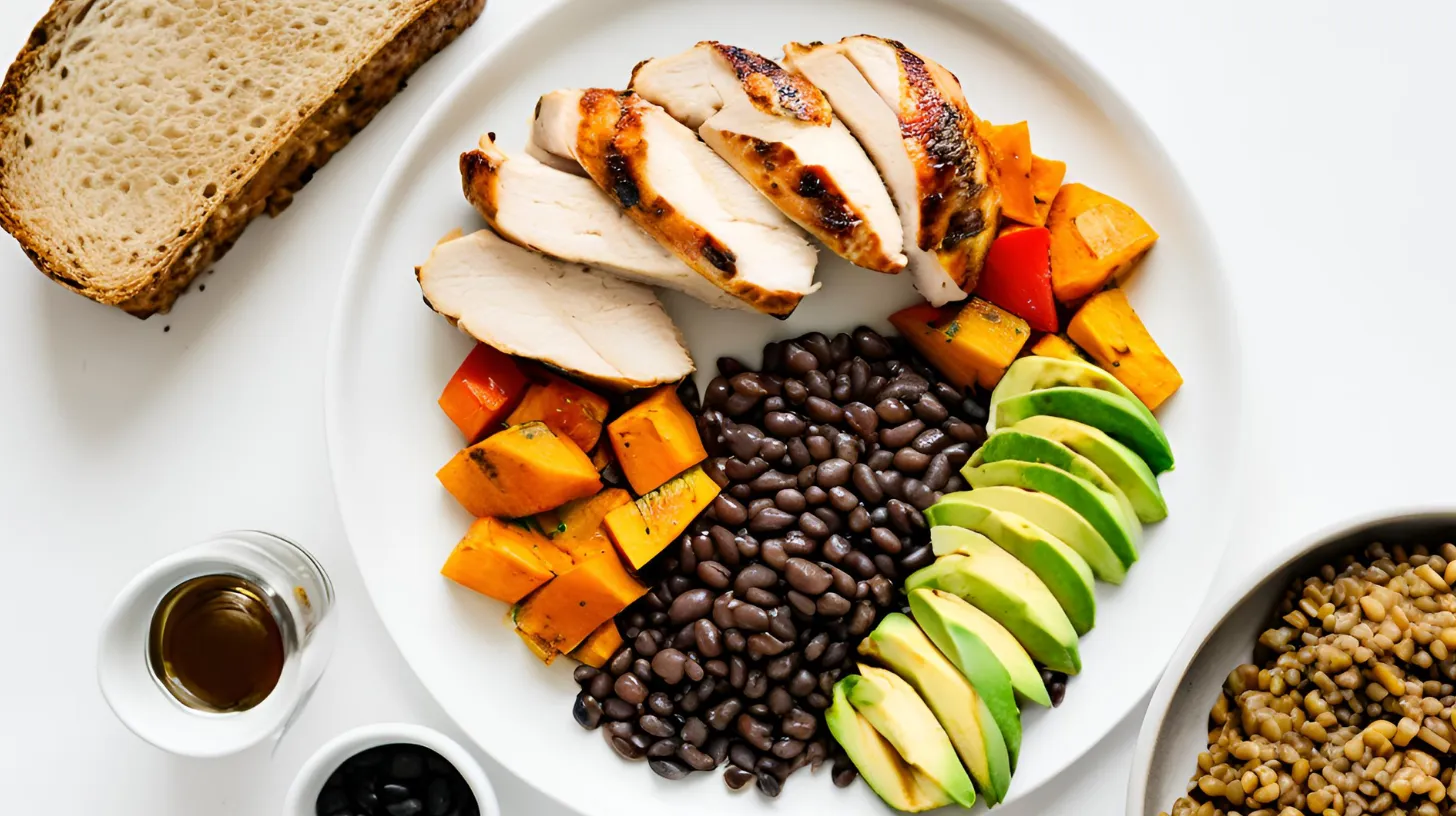
Crafting a 90 30 50 diet for picky eaters involves incorporating a variety of protein, fiber, and fat sources in ways that are appealing yet nutritious. This plan encourages experimenting with different textures and flavors to meet dietary goals without compromising on taste. It’s about making healthy eating enjoyable and accessible, even for the fussiest eaters.
Diet plan grocery list
Diet plan overview
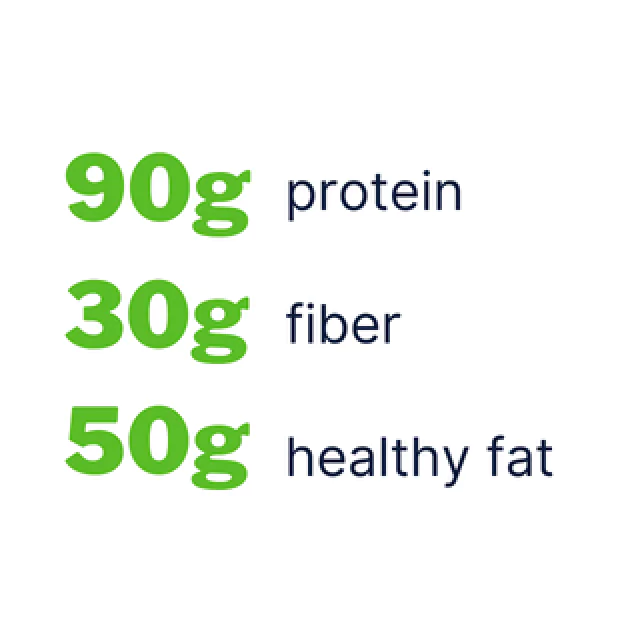
The 90 30 50 diet plan for picky eaters offers a flexible approach to nutrition that can accommodate specific taste preferences while ensuring a balanced diet. This plan ensures 90 grams of protein from versatile sources like smoothies and custom-flavored yogurts. 30 grams of fiber are easily integrated through beloved fruits and stealthily mixed vegetables, while 50 grams of healthy fats are incorporated through popular foods like peanut butter and homemade dressings.
This diet is perfect for picky eaters who might struggle with traditional dietary plans. It focuses on incorporating familiar and favorite ingredients into each meal, ensuring that nutrition doesn't come at the expense of enjoyment. Plus, it offers the freedom to adjust flavors and foods to better suit the eater's preferences, making it easier to stick to in the long run.
Foods to eat
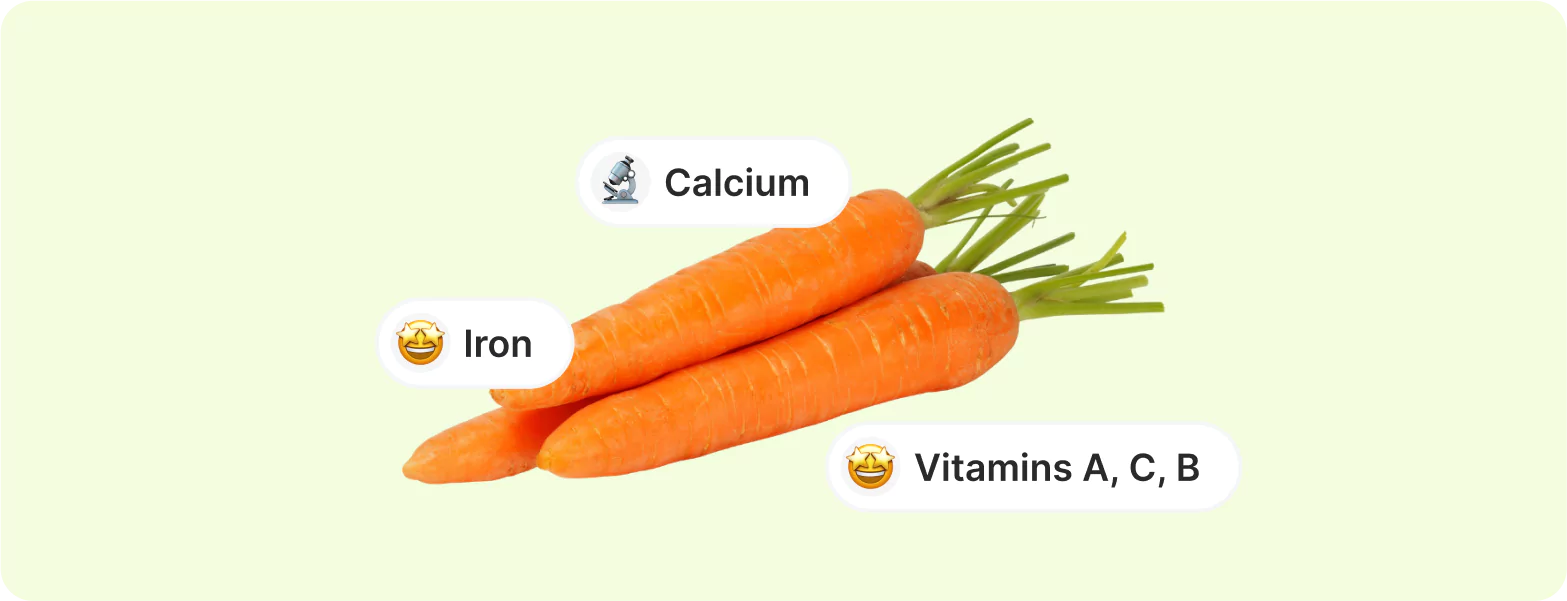
- Blendable Vegetables: Carrots, spinach, and zucchini are easy to blend into sauces or soups.
- Fruits in Different Forms: Fresh, dried, or in smoothies to provide variety.
- Protein Snacks: Hard-boiled eggs, cheese sticks, and turkey jerky are easy to eat on the go.
- Nut Butters: Peanut and almond butter for healthy fats and protein.
- Grain-Based Snacks: Whole-grain crackers, rice cakes, and granola bars.
Tip
Sneak in high-protein Greek yogurt or nut butters, throw in fiber-rich fruits like apples, and drizzle some olive oil over roasted sweet potatoes for healthy fats.
Foods not to eat
- Overly Sugary Snacks: Candies and cookies that can lead to sugar crashes.
- Highly Processed Foods: Avoid prepackaged snacks with preservatives and additives.
- Artificial Colorings: Found in candies, cereals, and drinks.
- Soda and Sugary Drinks: Provide empty calories without nutrients.
- Refined Grains: White bread, pasta, and rice offer little nutritional value.
Main benefits
The 90 30 50 diet plan for picky eaters makes healthy eating simple and enjoyable by incorporating familiar flavors and textures. Lean proteins like chicken and eggs are versatile and easy to include in favorite dishes. Fiber-rich veggies like carrots and sweet potatoes can be seamlessly blended into meals without altering taste. Healthy fats like nut butters and cheese provide satiety and make each meal feel indulgent.
How to budget on this diet plan
If you're a picky eater, stick to familiar favorites like eggs, chicken breast, and whole grain pasta, which fit well into the 90 30 50 plan without breaking the bank. Sneak in fiber through easy-to-love fruits like berries and apples, and try blending veggies into smoothies. Opt for cost-effective fats like avocados and peanut butter, and be on the lookout for deals on nut butters and oils.
Meal plan suggestion
Day 1
- Breakfast: Scrambled eggs with spinach and bell peppers
- Lunch: Grilled chicken breast with quinoa and steamed broccoli
- Dinner: Baked salmon with roasted sweet potatoes and carrots
- Snack: Greek yogurt with sliced bananas
Day 2
- Breakfast: Greek yogurt with blueberries and almonds
- Lunch: Tofu stir-fry with brown rice and snap peas
- Dinner: Lentil soup with whole grain bread
- Snack: Cottage cheese with sliced strawberries
Day 3
- Breakfast: Turkey bacon with scrambled eggs and sliced avocado
- Lunch: Black bean salad with bell peppers, corn, and avocado
- Dinner: Spinach and chickpea curry with brown rice
- Snack: Apple slices with almond butter
Day 4
- Breakfast: Smoothie with spinach, banana, almond milk, and chia seeds
- Lunch: Grilled chicken salad with mixed greens, walnuts, and balsamic vinaigrette
- Dinner: Turkey chili with black beans and diced bell peppers
- Snack: Carrot sticks with hummus
Day 5
- Breakfast: Scrambled eggs with spinach and whole grain toast
- Lunch: Tofu stir-fry with quinoa and mixed vegetables
- Dinner: Baked chicken breast with roasted sweet potatoes and green beans
- Snack: Greek yogurt with sliced strawberries
Day 6
- Breakfast: Greek yogurt with blueberries and chia seeds
- Lunch: Lentil salad with diced bell peppers, cucumber, and feta cheese
- Dinner: Grilled salmon with quinoa and sautéed spinach
- Snack: Apple slices with almond butter
Day 7
- Breakfast: Turkey bacon with scrambled eggs and whole grain toast
- Lunch: Chickpea salad with mixed greens, cherry tomatoes, and avocado
- Dinner: Stir-fried tofu with brown rice and broccoli
- Snack: Cottage cheese with sliced bananas
Want to learn more?
Keep in mind
Other diet plans
-

Carnivore diet plan for diabetics
This diet plan on the carnivore diet for diabetic individuals is quite low on carbs while approximating almost 100 percent in protein and fats. This helps to control blood sugar levels. Avoiding sugars and most of carbs can make it possible to have diabetes well under control. It is a radical but straightforward dietary intervention which should be done with supervision and guidance from health practitioners.
-

Carnivore diet plan for healthy eating
Healthy eating in the carnivore diet plan comprises a range of nutrient-dense sourced meats, such as organs and bone broths, which contain critical vitamins and minerals. It aims to eliminate inflammatory reactions, which are characteristic of some lifestyle diseases, and cut back the diet to essential nutrients. It may seem limiting, however, it facilitates looking deeper into the quality of every piece of meat cuisine.
-

Carnivore diet plan for beginners
The following carnivore beginner’s plan is especially intended for those who are new to the carnivore way of life. It begins by eating only meat instead of animal-based foods. Just after a few weeks or so, start introducing other types of food, such as fish, poultry, and organ meat. No complicated steps involved - learn the basics of meat preparation and accommodate a new food pattern.