
90 30 50 diet plan for swimmers

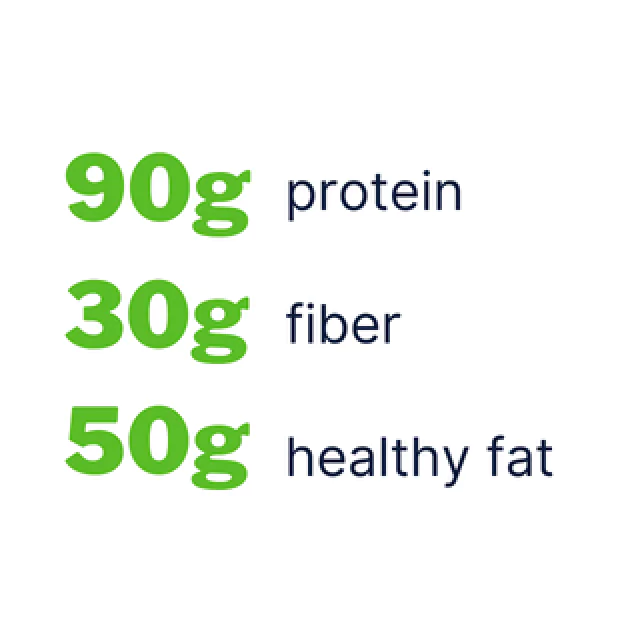
For swimmers, the 90 30 50 diet boosts performance and recovery with 90 grams of protein for muscle repair, 30 grams of fiber to ensure sustained energy, and 50 grams of healthy fats for long-lasting energy reserves. This nutritional balance is ideal for the high energy demands of swimming and aids in overall endurance.
Diet plan grocery list
Diet plan overview
Swimmers need a diet that supports intense training and recovery, and the 90 30 50 diet plan for swimmers does just that. The plan’s allocation of 90 grams of protein helps repair and build muscle, 30 grams of fiber aids in digestive health, and 50 grams of healthy fats provide long-lasting energy. This nutritional balance is crucial for athletes who spend long periods training in the water.
This diet also emphasizes hydration and includes anti-inflammatory foods to reduce muscle soreness and enhance recovery time. It's perfectly suited to meet the high-energy demands of competitive swimming.

Foods to eat
- High-Energy Carbohydrates: Brown rice, whole-grain breads, and pasta to fuel long training sessions.
- Protein Sources: Skinless poultry, fish, and plant-based proteins like tofu and tempeh to aid muscle recovery.
- Hydrating Foods: Cucumbers, celery, and watermelon which help maintain hydration levels.
- Electrolyte-Rich Foods: Bananas, sweet potatoes, and coconut water to replenish minerals lost through sweat.
- Recovery Fats: Nuts, seeds, and avocados which provide essential fatty acids for inflammation reduction and energy.
Tip
Focus on high-energy foods such as whole grain breads and pasta to support intense training sessions and aid in quick energy recovery.
Foods not to eat
- Sugar-Laden Beverages: Sports drinks with high sugar content, sodas, and energy drinks which can lead to spikes in blood sugar.
- Heavy Meats: Fatty steaks and pork which can be hard to digest before swimming.
- High-Fat Dairy Products: Cheese, cream, and butter which might slow digestion before workouts.
- Junk Food: Processed snacks like cookies and chips which offer little nutritional benefit and are high in unhealthy fats.
- Excessive Caffeine: Coffee, tea, and caffeinated drinks in excess can lead to dehydration and jitteriness.
Main benefits
Swimmers will find the 90 30 50 diet plan for swimmers particularly beneficial as it supplies ample protein for muscle repair, fiber for sustained energy, and fats for long-lasting energy reserves. This nutritional balance supports intensive training routines and aids in recovery and performance enhancement.
How to budget on this diet plan
Swimmers using the 90 30 50 diet plan can save money by focusing on high-energy, low-cost carbohydrate sources like bananas and bagels for pre- and post-training meals. Buying proteins like chicken and fish in bulk when on sale and freezing them can reduce costs. Swimmers should also consider hydrating with simple water or homemade electrolyte drinks instead of purchasing expensive branded beverages.
Meal plan suggestion
Day 1
- Breakfast: Oatmeal topped with blueberries, bananas, and chia seeds
- Lunch: Grilled chicken breast with quinoa and steamed broccoli
- Dinner: Baked salmon, sweet potato mash, and sautéed spinach
- Snack: Greek yogurt with sliced almonds and honey
Day 2
- Breakfast: Scrambled eggs with spinach and whole wheat toast
- Lunch: Tuna salad with mixed bell peppers, carrots, and olive oil dressing
- Dinner: Lean beef stir-fry with kale, carrots, and brown rice
- Snack: Cottage cheese with sliced apples and walnuts
Day 3
- Breakfast: Greek yogurt with flaxseeds and fresh berries
- Lunch: Grilled salmon over mixed greens with avocado and tomato
- Dinner: Stir-fried lentils and vegetables (bell peppers, broccoli) with coconut oil
- Snack: Hummus with carrot and bell pepper sticks
Day 4
- Breakfast: Smoothie with spinach, banana, Greek yogurt, and chia seeds
- Lunch: Quinoa salad with chickpeas, spinach, and a drizzle of olive oil
- Dinner: Baked chicken breast with roasted sweet potatoes and kale
- Snack: A handful of almonds and an orange
Day 5
- Breakfast: Oatmeal with sliced banana, almonds, and a sprinkle of cinnamon
- Lunch: Lentil soup with a side of whole wheat bread
- Dinner: Grilled lean beef with quinoa and steamed broccoli
- Snack: Avocado and tomato salad with olive oil and lemon dressing
Day 6
- Breakfast: Whole wheat pancakes topped with fresh berries and a dollop of Greek yogurt
- Lunch: Black bean salad with chopped tomatoes, avocado, and bell peppers
- Dinner: Baked tuna steak with roasted carrots and a side of brown rice
- Snack: Cottage cheese with sliced peaches and flaxseeds
Day 7
- Breakfast: Scrambled eggs with kale and whole wheat toast
- Lunch: Grilled chicken breast with brown rice and steamed spinach
- Dinner: Salmon fillet with a side of quinoa and roasted bell peppers
- Snack: Apple slices with almond butter
Want to learn more?
Keep in mind
Other diet plans
-

Carnivore diet plan for diabetics
This diet plan on the carnivore diet for diabetic individuals is quite low on carbs while approximating almost 100 percent in protein and fats. This helps to control blood sugar levels. Avoiding sugars and most of carbs can make it possible to have diabetes well under control. It is a radical but straightforward dietary intervention which should be done with supervision and guidance from health practitioners.
-

Carnivore diet plan for healthy eating
Healthy eating in the carnivore diet plan comprises a range of nutrient-dense sourced meats, such as organs and bone broths, which contain critical vitamins and minerals. It aims to eliminate inflammatory reactions, which are characteristic of some lifestyle diseases, and cut back the diet to essential nutrients. It may seem limiting, however, it facilitates looking deeper into the quality of every piece of meat cuisine.
-

Carnivore diet plan for beginners
The following carnivore beginner’s plan is especially intended for those who are new to the carnivore way of life. It begins by eating only meat instead of animal-based foods. Just after a few weeks or so, start introducing other types of food, such as fish, poultry, and organ meat. No complicated steps involved - learn the basics of meat preparation and accommodate a new food pattern.