
Allergen-free diet plan for acid reflux
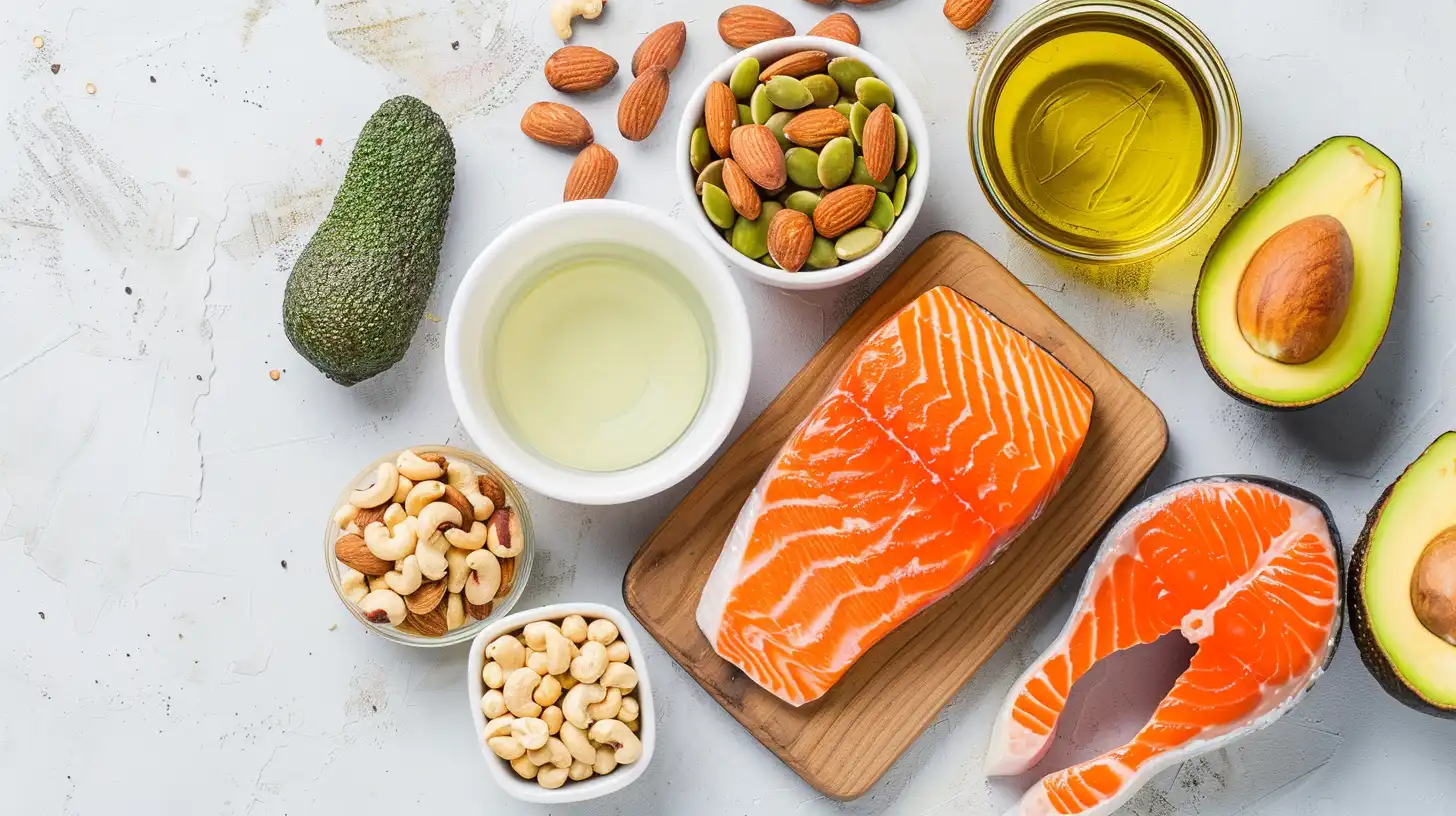
If acid reflux is part of your daily struggle, tweaking your diet might help. An allergen-free plan avoids foods that are known to aggravate reflux, such as citrus, spicy dishes, and certain fats. The goal? To eat well and feel better, minus the burn.
Diet plan grocery list
Diet plan overview
In people who have acid reflux, dietary management sometimes can be of prime importance for symptom control. The allergen-free diet for acid reflux eliminates some common irritants that occur in day-to-day life, such as citrus, spices, and excess fats. It focuses on gentle meals for the stomach, with an intake of alkaline foods and lean proteins to avoid discomfort from acid reflux.
It's a diet on meal timing and portion control. If one has smaller portions and eats more often, he will be able to keep the level of stomach acids more constant. These foods include oatmeal, cucumbers, and skinless poultry, which are major staples for this diet, enabling people to enjoy life with their conditions and not feel deprived.
Foods to eat
- Alkaline Vegetables: Cucumbers, kale, and spinach to neutralize stomach acid.
- Lean Meats: Skinless poultry and fish that are easy on the stomach.
- Non-Citrus Fruits: Apples, pears, and melons to avoid acid triggers.
- Whole Grains: Oats, rice, and quinoa that are gentle on digestion.
- Herbal Teas: Ginger and chamomile tea for soothing the digestive tract.
Tip
If you're managing acid reflux with an allergen-free diet, try slipping some ginger into your meals; it's great for digestion and adds a gentle, soothing flavor.
Foods not to eat
- Fatty Foods: Greasy burgers and fried foods that can aggravate acid reflux.
- Spicy Foods: Hot sauces and heavily seasoned dishes that can cause discomfort.
- Acidic Foods: Tomatoes and citrus fruits that may trigger acid reflux symptoms.
- Chocolate: Contains caffeine and other compounds that can loosen the esophageal sphincter.
- Coffee and Alcohol: These beverages can irritate the esophagus and worsen reflux.
Main benefits
In the case of acid reflux, this allergen-free diet plan for acid reflux is a gentle approach toward eating while keeping acidity in the stomach at bay. The diet reduces foods that can trigger reflux and encourages alkaline, less acidic, more digestible food sources, which should significantly reduce bouts of heartburn or discomfort. It's a gentle, effective method to enjoy meals without backlash.

How to budget on this diet plan
Heartburn does not need to be managed expensively with an allergy-free diet. Make simple meals at home using very basic, inexpensive ingredients that are known to you as safe. Now oatmeal, bananas, and ginger can be what sustains you for a soothing, low-cost meal. Avoid processed foods, most of them are tagged as allergen-free and reflux-friendly; they really are very expensive and often no better than what you can make yourself. It can also help to drink plenty of water rather than some expensive alkaline or specialty waters.
Meal plan suggestion
Day 1
- Breakfast: Oatmeal with bananas and blueberries
- Lunch: Quinoa salad with cucumber, spinach, and chicken breast
- Dinner: Baked salmon with sweet potatoes and green beans
- Snack: Sliced apples with coconut yogurt
Day 2
- Breakfast: Smoothie with strawberries, pear, and coconut yogurt
- Lunch: Lentil soup with carrots and kale
- Dinner: Grilled turkey breast with butternut squash and broccoli
- Snack: Carrot sticks with hummus
Day 3
- Breakfast: Quinoa porridge with apple slices and honey
- Lunch: Chickpea salad with cucumber, zucchini, and olive oil
- Dinner: Baked cod with sweet potatoes and green beans
- Snack: Sliced pears with herbal tea
Day 4
- Breakfast: Oatmeal with strawberries and honey
- Lunch: Spinach and kale salad with grilled chicken breast and avocado oil
- Dinner: Grilled tilapia with butternut squash and broccoli
- Snack: Blueberries with coconut yogurt
Day 5
- Breakfast: Smoothie with bananas, blueberries, and coconut yogurt
- Lunch: Lentil and quinoa bowl with carrots and spinach
- Dinner: Baked salmon with zucchini and green beans
- Snack: Sliced apples with herbal tea
Day 6
- Breakfast: Quinoa porridge with pear slices and honey
- Lunch: Chickpea and spinach salad with olive oil
- Dinner: Grilled turkey breast with sweet potatoes and broccoli
- Snack: Sliced cucumbers with hummus
Day 7
- Breakfast: Oatmeal with apples and honey
- Lunch: Black bean salad with kale, cucumber, and avocado oil
- Dinner: Baked cod with butternut squash and green beans
- Snack: Blueberries with herbal tea
Want to learn more?
Keep in mind
Other diet plans
-

Carnivore diet plan for diabetics
This diet plan on the carnivore diet for diabetic individuals is quite low on carbs while approximating almost 100 percent in protein and fats. This helps to control blood sugar levels. Avoiding sugars and most of carbs can make it possible to have diabetes well under control. It is a radical but straightforward dietary intervention which should be done with supervision and guidance from health practitioners.
-

Carnivore diet plan for healthy eating
Healthy eating in the carnivore diet plan comprises a range of nutrient-dense sourced meats, such as organs and bone broths, which contain critical vitamins and minerals. It aims to eliminate inflammatory reactions, which are characteristic of some lifestyle diseases, and cut back the diet to essential nutrients. It may seem limiting, however, it facilitates looking deeper into the quality of every piece of meat cuisine.
-

Carnivore diet plan for beginners
The following carnivore beginner’s plan is especially intended for those who are new to the carnivore way of life. It begins by eating only meat instead of animal-based foods. Just after a few weeks or so, start introducing other types of food, such as fish, poultry, and organ meat. No complicated steps involved - learn the basics of meat preparation and accommodate a new food pattern.