
Allergen-free diet plan for detox
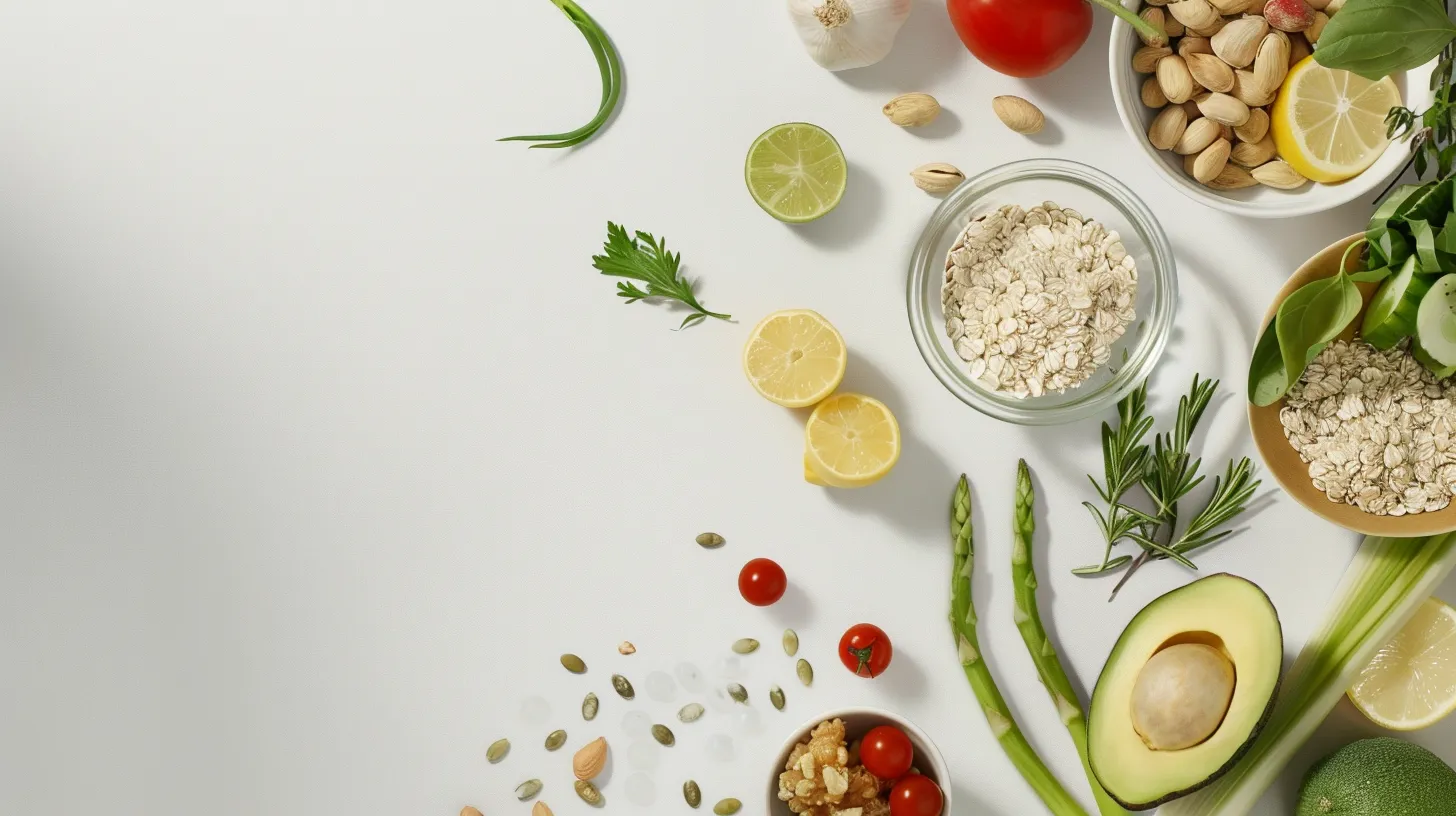
An allergen-free detox diet helps you cleanse your system without triggering allergic reactions. It focuses on simple, whole foods that are free from common allergens, offering a gentle way to support your body’s natural detox processes. The goal is to nourish and refresh, helping you feel revitalized while staying clear of any potential allergens.
Diet plan grocery list
Diet plan overview
The allergen-free diet plan for detox focuses on eliminating common allergens and cleansing the body from toxins. This diet relies on fresh, organic fruits and vegetables, free from pesticides and other chemicals. Lean proteins and gluten-free grains are included to ensure balanced nutrition while avoiding allergens.
Detoxification is supported by increasing water intake and consuming foods rich in antioxidants like berries, leafy greens, and green tea. Avoiding processed foods, artificial additives, and common allergens helps in reducing inflammation and promoting overall health. This diet aims for a natural and gentle detoxification process.
Foods to eat
- Leafy Greens: Spinach, kale, and swiss chard are great for detoxing the body naturally.
- Cruciferous Vegetables: Broccoli, cauliflower, and Brussels sprouts help with detoxification processes.
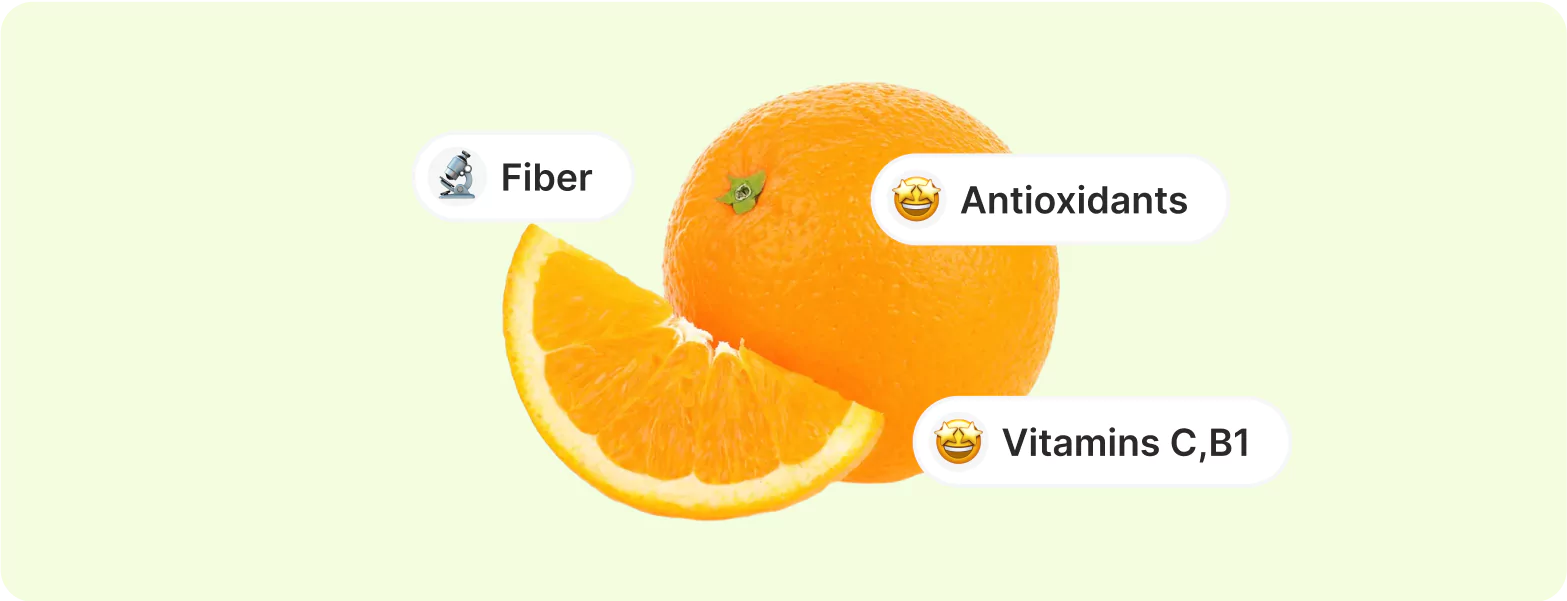
- Citrus Fruits: Lemons, limes, and oranges can aid in cleansing and are free from common allergens.
- Herbal Teas: Peppermint, ginger, and dandelion tea can support digestion and detoxification.
- Garlic and Onions: These foods support liver function and help in detoxifying the body.
- Filtered Water: Essential for flushing out toxins and staying hydrated during a detox.
Tip
Include activated charcoal or zeolite powder in your detox regimen to help bind toxins while avoiding common allergens.
Foods not to eat
- Processed Foods: Stay away from packaged snacks and meals that contain preservatives and allergens.
- Alcohol: Avoid wine, beer, and spirits as they can interfere with the detox process.
- Caffeine: Reduce or eliminate coffee and energy drinks to avoid taxing your system.
- Sugar and Sweeteners: Both natural and artificial sweeteners should be avoided to support detox.
- Refined Grains: White bread, pasta, and rice can hinder the detox process and may contain allergens.
- Red Meat: High-fat meats can be harder to digest and may slow down detoxification.
Main benefits
The allergen-free diet plan for detox aids in flushing out toxins without exposing you to allergens. This plan can help enhance liver function with allergen-free detoxifying foods. You'll experience improved skin clarity as the body eliminates toxins more effectively. It also supports better hydration, often with allergen-free hydrating fruits and vegetables.

How to budget on this diet plan
Prioritize buying in-season fruits and vegetables. They’re more affordable and fresher. Invest in a water filter to avoid buying costly bottled water. Instead of detox supplements, make your own smoothies or juices from inexpensive produce.
Use herbs and spices for flavoring instead of pricier allergen-free sauces. Planning meals around sales and using a weekly meal planner can help you avoid impulse buys and stick to your detox goals economically.
Meal plan suggestion
Day 1
- Breakfast: Quinoa porridge with blueberries and chia seeds
- Lunch: Spinach and chicken breast salad with cucumber and olive oil
- Dinner: Grilled salmon with roasted sweet potatoes and steamed broccoli
- Snack: Apple slices with pumpkin seeds
- Calories 🔥: 1,500 Fat 💧: 55g Carbs 🌾: 155g Protein 🥩: 100g
Day 2
- Breakfast: Smoothie with spinach, banana, avocado, and coconut milk
- Lunch: Quinoa bowl with zucchini, carrots, and chickpeas
- Dinner: Baked cod with steamed green beans and cauliflower rice
- Snack: Strawberries with flaxseeds
- Calories 🔥: 1,450 Fat 💧: 60g Carbs 🌾: 145g Protein 🥩: 90g
Day 3
- Breakfast: Chia seed pudding with coconut milk and blueberries
- Lunch: Kale salad with turkey breast, avocado, and pumpkin seeds
- Dinner: Grass-fed beef stir-fry with broccoli, asparagus, and brown rice
- Snack: Banana with flaxseeds
- Calories 🔥: 1,600 Fat 💧: 65g Carbs 🌾: 150g Protein 🥩: 110g
Day 4
- Breakfast: Smoothie with spinach, strawberries, and coconut milk
- Lunch: Lentil and butternut squash stew with fresh herbs
- Dinner: Baked sardines with roasted carrots and zucchini
- Snack: Apple slices with chia seeds
- Calories 🔥: 1,450 Fat 💧: 55g Carbs 🌾: 155g Protein 🥩: 95g
Day 5
- Breakfast: Quinoa porridge with banana and flaxseeds
- Lunch: Spinach and chicken breast wrap with avocado and cucumber
- Dinner: Grilled wild-caught salmon with roasted butternut squash and steamed kale
- Snack: Blueberries with pumpkin seeds
- Calories 🔥: 1,550 Fat 💧: 60g Carbs 🌾: 150g Protein 🥩: 105g
Day 6
- Breakfast: Chia seed pudding with coconut milk and strawberries
- Lunch: Quinoa and lentil salad with kale and olive oil
- Dinner: Baked chicken breast with steamed green beans and sweet potato mash
- Snack: Apple slices with pumpkin seeds
- Calories 🔥: 1,500 Fat 💧: 55g Carbs 🌾: 150g Protein 🥩: 100g
Day 7
- Breakfast: Smoothie with spinach, banana, and coconut milk
- Lunch: Brown rice bowl with chickpeas, zucchini, and fresh herbs
- Dinner: Grilled turkey breast with roasted cauliflower and asparagus
- Snack: Blueberries with flaxseeds
- Calories 🔥: 1,500 Fat 💧: 60g Carbs 🌾: 145g Protein 🥩: 95g
These nutritional values are approximate and can vary slightly based on specific portion sizes and preparation methods.
Want to learn more?
Keep in mind
Other diet plans
-

Carnivore diet plan for diabetics
This diet plan on the carnivore diet for diabetic individuals is quite low on carbs while approximating almost 100 percent in protein and fats. This helps to control blood sugar levels. Avoiding sugars and most of carbs can make it possible to have diabetes well under control. It is a radical but straightforward dietary intervention which should be done with supervision and guidance from health practitioners.
-

Carnivore diet plan for healthy eating
Healthy eating in the carnivore diet plan comprises a range of nutrient-dense sourced meats, such as organs and bone broths, which contain critical vitamins and minerals. It aims to eliminate inflammatory reactions, which are characteristic of some lifestyle diseases, and cut back the diet to essential nutrients. It may seem limiting, however, it facilitates looking deeper into the quality of every piece of meat cuisine.
-

Carnivore diet plan for beginners
The following carnivore beginner’s plan is especially intended for those who are new to the carnivore way of life. It begins by eating only meat instead of animal-based foods. Just after a few weeks or so, start introducing other types of food, such as fish, poultry, and organ meat. No complicated steps involved - learn the basics of meat preparation and accommodate a new food pattern.