
Allergen-free diet plan for high protein
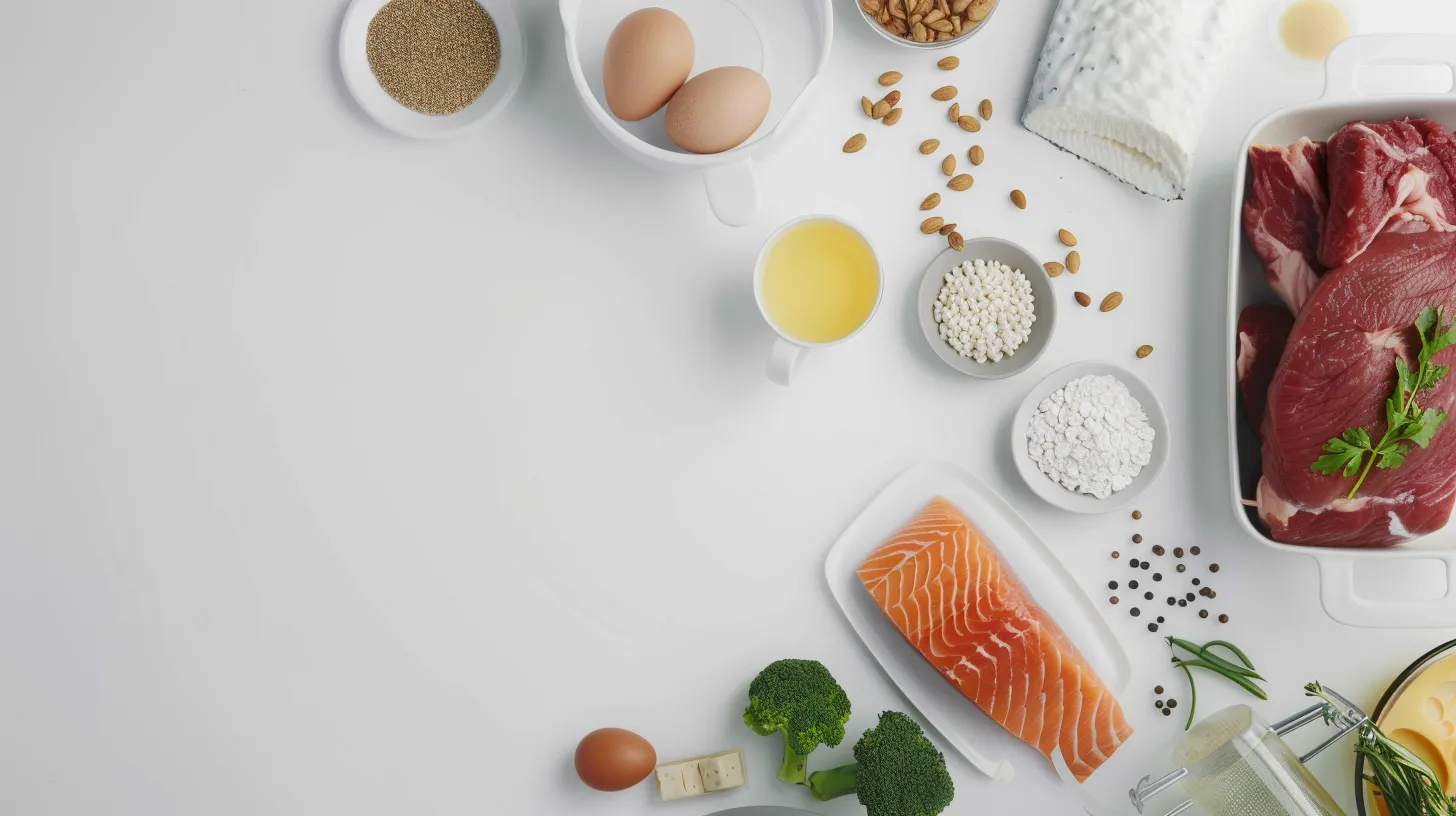
If you’re looking to pump up the protein without running into allergens, this diet plan has your back. It’s crafted to help you build muscle and stay energized, all while avoiding the allergens that could spoil the fun. From breakfast to dinner, you’ll discover protein-packed meals that keep you strong and allergy-free.
Diet plan grocery list
Diet plan overview
The allergen-free diet plan for high protein is designed for those who need to avoid allergens like dairy, soy, and nuts while still getting plenty of protein. This plan includes options like lean meats, fish, eggs, and legumes. Think grilled salmon, egg white omelets, and lentil soups. It’s a great way to meet your protein needs without triggering any allergies.
Focusing on high-protein, allergen-free foods helps maintain muscle mass and overall health. This diet also incorporates seeds like chia and flax, which are great protein sources. Balancing these foods with plenty of vegetables ensures a varied and nutritious diet that keeps you energized and satisfied throughout the day.
Foods to eat
- Lean Meats: Chicken breast, turkey, and lean beef for high-quality protein.
- Fish: Salmon, cod, and tilapia are excellent for protein and omega-3s.
- Eggs: Packed with protein and versatile for many meals.
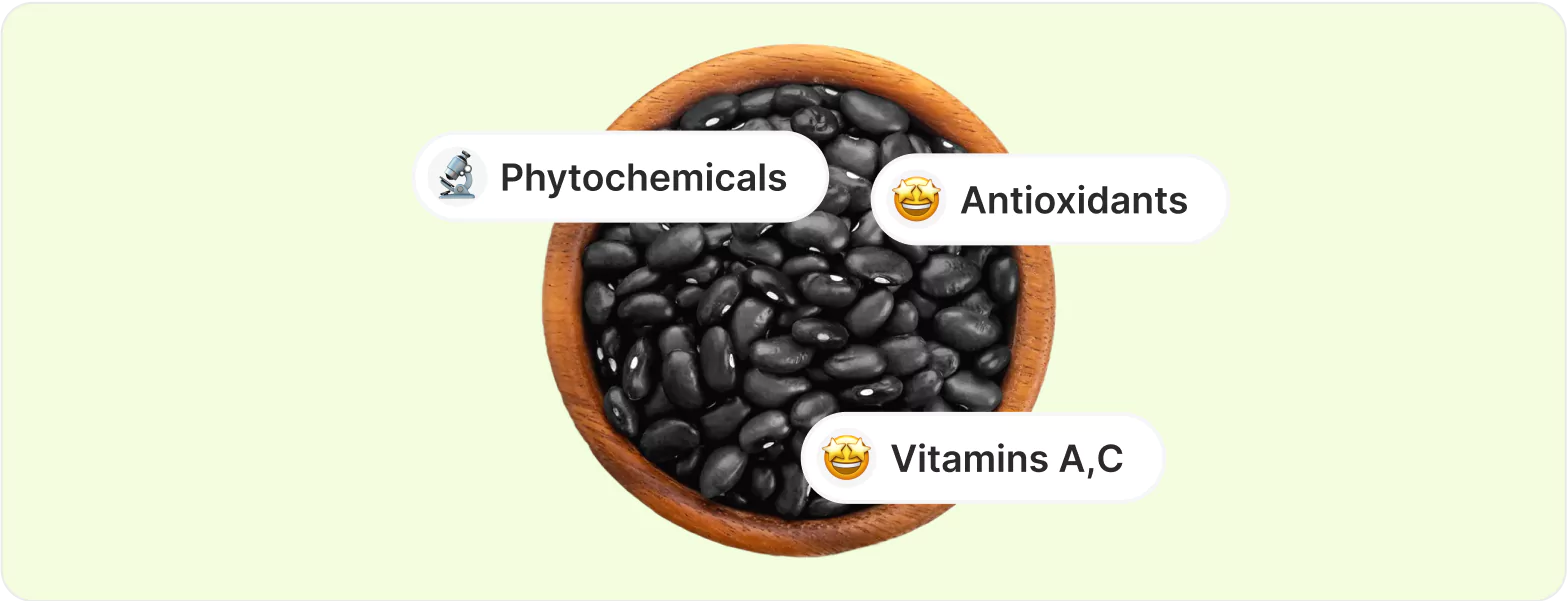
- Legumes: Lentils, chickpeas, and black beans for plant-based protein sources.
- Low-Fat Dairy: If dairy isn't an allergen, Greek yogurt and cottage cheese are great options.
- Protein-Rich Vegetables: Spinach, kale, and broccoli provide protein and nutrients.
Tip
Explore pumpkin seeds and chia seeds for a high-protein snack that's allergen-free and nutrient-dense.
Foods not to eat
- Processed Meats: Sausages, bacon, and deli meats often contain allergens and additives.
- High-Sugar Foods: Sweets, pastries, and sugary cereals can interfere with protein absorption.
- Fried Foods: Deep-fried items may contain allergens and unhealthy fats.
- Dairy Products: Avoid if lactose or casein is a known allergen for you.
- Soy Products: Skip soy milk, tofu, and soy-based meat substitutes if soy is an issue.
- Gluten-Containing Foods: Bread, pasta, and other gluten sources can be problematic.
Main benefits
The allergen-free diet plan for high protein supports muscle growth and repair without triggering allergies. It helps in feeling fuller for longer, which can be beneficial for weight management. This diet also enhances metabolic rate, aiding in more efficient calorie burning. Moreover, it supports immune function due to the inclusion of allergen-free protein sources rich in essential nutrients.

How to budget on this diet plan
Sticking to a high-protein, allergen-free diet? Buy proteins like beans, lentils, and canned fish in bulk to save money. Choose whole food sources of protein over expensive protein powders and bars. Cooking at home will allow you to manage both your diet and your budget effectively.
Look for sales on lean meats and consider freezing them for future use. Incorporate affordable protein sources like tofu or tempeh to keep costs down without sacrificing nutrition.
Meal plan suggestion
Day 1
- Breakfast: Greek yogurt with chia seeds and blueberries
- Lunch: Grilled chicken breast with quinoa and steamed broccoli
- Dinner: Baked salmon fillets with sweet potato mash and sautéed spinach
- Snack: Apple slices with almond butter
- Calories 🔥: 1500 Fat 💧: 55g Carbs 🌾: 150g Protein 🥩: 125g
Day 2
- Breakfast: Scrambled eggs with kale and bell peppers
- Lunch: Ground turkey and black bean lettuce wraps
- Dinner: Tofu stir-fry with brown rice and mixed vegetables (carrots, bell peppers, edamame)
- Snack: Strawberries with cottage cheese
- Calories 🔥: 1550 Fat 💧: 60g Carbs 🌾: 140g Protein 🥩: 130g
Day 3
- Breakfast: Smoothie with almond milk, banana, and flax seeds
- Lunch: Tempeh and quinoa salad with avocado and spinach
- Dinner: Grilled salmon fillets with roasted sweet potatoes and kale
- Snack: Blueberries with pumpkin seeds
- Calories 🔥: 1520 Fat 💧: 58g Carbs 🌾: 145g Protein 🥩: 125g
Day 4
- Breakfast: Cottage cheese with chia seeds and strawberries
- Lunch: Chicken breast and lentil salad with bell peppers and avocado
- Dinner: Baked tofu with quinoa and steamed broccoli
- Snack: Banana with almond butter
- Calories 🔥: 1530 Fat 💧: 57g Carbs 🌾: 150g Protein 🥩: 127g
Day 5
- Breakfast: Greek yogurt with pumpkin seeds and apple slices
- Lunch: Ground turkey and chickpea bowl with brown rice and steamed spinach
- Dinner: Grilled chicken breast with quinoa and roasted carrots
- Snack: Almonds with blueberries
- Calories 🔥: 1510 Fat 💧: 55g Carbs 🌾: 145g Protein 🥩: 130g
Day 6
- Breakfast: Smoothie with almond milk, strawberries, and flax seeds
- Lunch: Tempeh and black bean salad with avocado and kale
- Dinner: Baked salmon fillets with quinoa and roasted bell peppers
- Snack: Carrot sticks with almond butter
- Calories 🔥: 1540 Fat 💧: 60g Carbs 🌾: 140g Protein 🥩: 128g
Day 7
- Breakfast: Cottage cheese with blueberries and chia seeds
- Lunch: Grilled chicken breast with lentils and sautéed kale
- Dinner: Tofu stir-fry with brown rice and mixed vegetables (broccoli, bell peppers, edamame)
- Snack: Apple slices with almonds
- Calories 🔥: 1525 Fat 💧: 58g Carbs 🌾: 150g Protein 🥩: 130g
These nutritional values are approximate and can vary slightly based on specific portion sizes and preparation methods.
Want to learn more?
Keep in mind
Other diet plans
-

Carnivore diet plan for diabetics
This diet plan on the carnivore diet for diabetic individuals is quite low on carbs while approximating almost 100 percent in protein and fats. This helps to control blood sugar levels. Avoiding sugars and most of carbs can make it possible to have diabetes well under control. It is a radical but straightforward dietary intervention which should be done with supervision and guidance from health practitioners.
-

Carnivore diet plan for healthy eating
Healthy eating in the carnivore diet plan comprises a range of nutrient-dense sourced meats, such as organs and bone broths, which contain critical vitamins and minerals. It aims to eliminate inflammatory reactions, which are characteristic of some lifestyle diseases, and cut back the diet to essential nutrients. It may seem limiting, however, it facilitates looking deeper into the quality of every piece of meat cuisine.
-

Carnivore diet plan for beginners
The following carnivore beginner’s plan is especially intended for those who are new to the carnivore way of life. It begins by eating only meat instead of animal-based foods. Just after a few weeks or so, start introducing other types of food, such as fish, poultry, and organ meat. No complicated steps involved - learn the basics of meat preparation and accommodate a new food pattern.