
Allergen-free diet plan for kidney disease
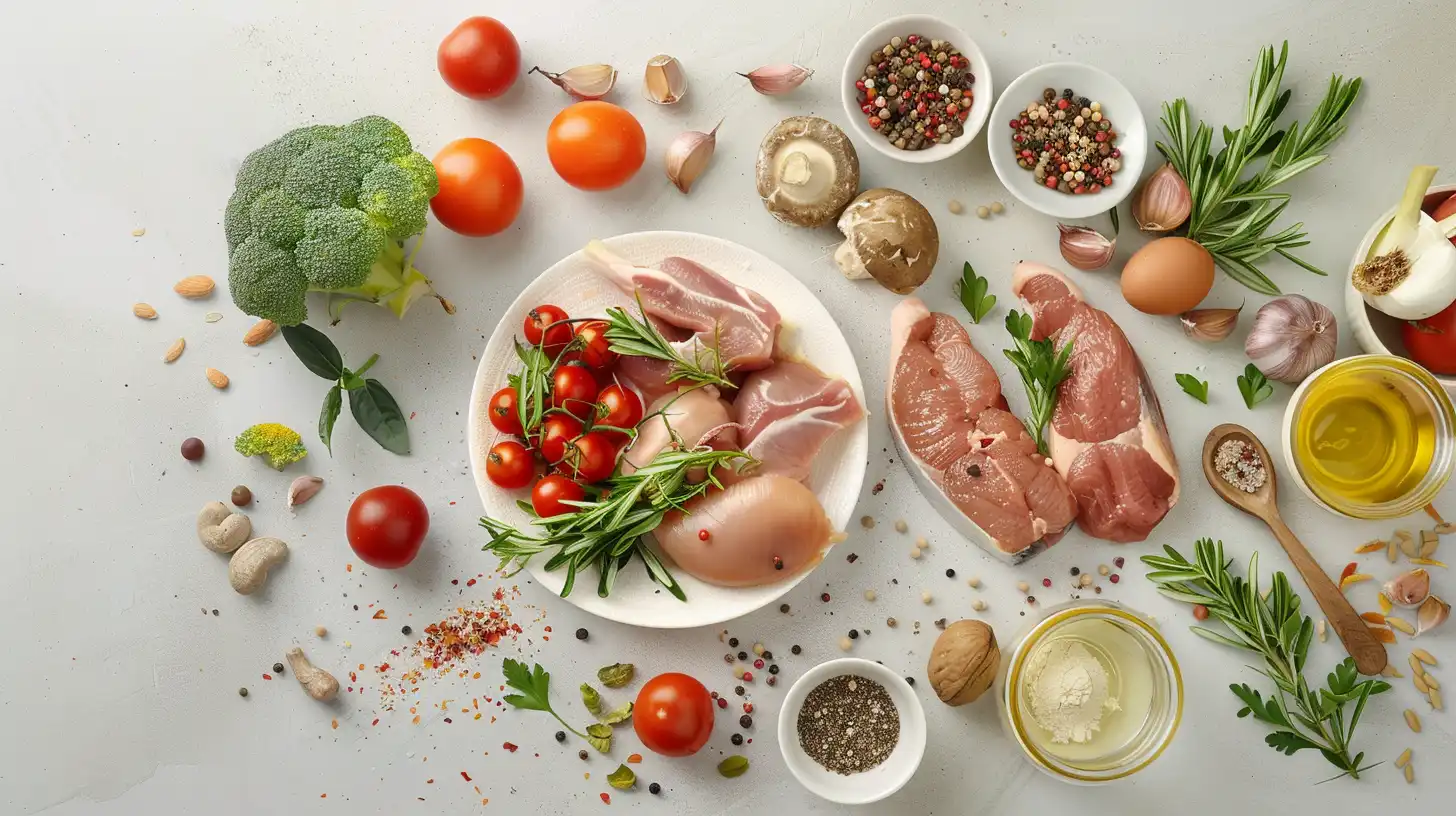
Kidney disease needs careful eating to avoid undue stress being put on your kidneys. The meal plan does exactly that and cuts out allergens that would further complicate your health.
Diet plan grocery list
Diet plan overview
The allergen-free diet plan for kidney disease is an exceptionally individually-tailored diet catering to the dietary needs of kidney patients. It rules out common allergens and minimizes phosphorus, potassium, and sodium-rich foods, very significant considerations in kidney problems. It incorporates low-protein but nutrient-dense meals, rich in non-dairy calcium sources and phosphorus-bound ingredients.
This dietary approach helps minimize the pressure on kidneys while maintaining nutrition. It also describes fluid intake that can help manage kidney function and avoid kidney disease complications.
Foods to eat
- Cauliflower: High in vitamin C, folate, and fiber while being kidney-friendly.
- Buckwheat: Gluten-free grain that is low in potassium and high in important nutrients.
- Garlic and Onions: Adds flavor without the extra sodium, beneficial for kidney health.
- Blueberries: Packed with antioxidants and nutrients without being high in potassium.
- Egg Whites: High-quality protein source that is low in phosphorus.
Tip
Switch to using homemade almond milk in recipes to maintain low potassium levels crucial for those managing kidney disease.
Foods not to eat
- Nuts and Seeds: Often high in phosphorus and not recommended for those with kidney disease.
- Bananas: High in potassium, which can be harmful in advanced kidney disease.
- Dairy Products: High in phosphorus and potassium, problematic for kidney health.
- Whole Wheat Bread: Higher in potassium and phosphorus compared to white bread.
- Processed Meats: High in sodium and phosphorus, both of which can stress the kidneys.
Main benefits
An allergen-free diet for kidney disease takes pressure off the kidneys by averting foods that are likely to cause allergic reactions and inflammation. It focuses on low-potassium, low-phosphorus foods, which may manage kidney function better. It limits the intake of high-salt foods and therefore helps in controlling blood pressure, which is a large benefit to the kidneys. This also goes toward the inclusion of anti-inflammatory foods that will further support overall health and help the patient feel better.

How to budget on this diet plan
Get good discounts available on quality protein sources like egg whites and fresh fish. Cut down on processed foods and juggle between fresh fruits and veggies. Buy all such ingredients in bulk and refrigerate to extend their life. Prepare lots of kidney-friendly food to enjoy throughout the week and save both your food cost and time for preparation. Consider using herbs and spices for flavoring instead of salt. Not only will it be healthier, but it will be cheaper in the long term, too. A good idea would be to check with your local community garden or co-ops in the area for fresh produce at a discounted price.
Meal plan suggestion
Day 1
- Breakfast: Egg white omelette with spinach and red bell peppers, side of strawberries
- Lunch: Grilled chicken breast with quinoa and steamed green beans
- Dinner: Baked tilapia with cauliflower rice and roasted carrots
- Snack: Apple slices with unsweetened applesauce
Day 2
- Breakfast: Smoothie with blueberries, banana, and unsweetened coconut flakes
- Lunch: Turkey breast salad with arugula, cucumbers, and olive oil dressing
- Dinner: Lean pork chops with baked sweet potatoes and sautéed zucchini
- Snack: Pineapple chunks with sunflower seeds
Day 3
- Breakfast: Quinoa porridge with raspberries and chia seeds
- Lunch: Chicken breast and lettuce wrap with red bell peppers and spinach
- Dinner: Grilled salmon with white rice and steamed cabbage
- Snack: Sliced cucumber with unsweetened applesauce
Day 4
- Breakfast: Egg white scramble with arugula and diced tomatoes (from red bell peppers)
- Lunch: Ground turkey stuffed bell peppers with quinoa
- Dinner: Baked tilapia with brown rice pasta and green beans
- Snack: Blueberries with sunflower seeds
Day 5
- Breakfast: Smoothie bowl with strawberries, banana, and unsweetened coconut flakes
- Lunch: Grilled turkey breast with a spinach and arugula salad, olive oil dressing
- Dinner: Lean pork chops with mashed sweet potatoes and sautéed zucchini
- Snack: Apple slices with chia seeds
Day 6
- Breakfast: Egg white omelette with spinach and red bell peppers, side of raspberries
- Lunch: Baked chicken breast with white rice and steamed green beans
- Dinner: Grilled salmon with quinoa and roasted carrots
- Snack: Pineapple chunks with sunflower seeds
Day 7
- Breakfast: Quinoa porridge with blueberries and chia seeds
- Lunch: Ground turkey lettuce wrap with cucumbers and red bell peppers
- Dinner: Baked tilapia with cauliflower rice and sautéed spinach
- Snack: Sliced cucumber with unsweetened applesauce
Want to learn more?
Keep in mind
Other diet plans
-

Carnivore diet plan for diabetics
This diet plan on the carnivore diet for diabetic individuals is quite low on carbs while approximating almost 100 percent in protein and fats. This helps to control blood sugar levels. Avoiding sugars and most of carbs can make it possible to have diabetes well under control. It is a radical but straightforward dietary intervention which should be done with supervision and guidance from health practitioners.
-

Carnivore diet plan for healthy eating
Healthy eating in the carnivore diet plan comprises a range of nutrient-dense sourced meats, such as organs and bone broths, which contain critical vitamins and minerals. It aims to eliminate inflammatory reactions, which are characteristic of some lifestyle diseases, and cut back the diet to essential nutrients. It may seem limiting, however, it facilitates looking deeper into the quality of every piece of meat cuisine.
-

Carnivore diet plan for beginners
The following carnivore beginner’s plan is especially intended for those who are new to the carnivore way of life. It begins by eating only meat instead of animal-based foods. Just after a few weeks or so, start introducing other types of food, such as fish, poultry, and organ meat. No complicated steps involved - learn the basics of meat preparation and accommodate a new food pattern.