
Allergen-free diet plan for no sugar
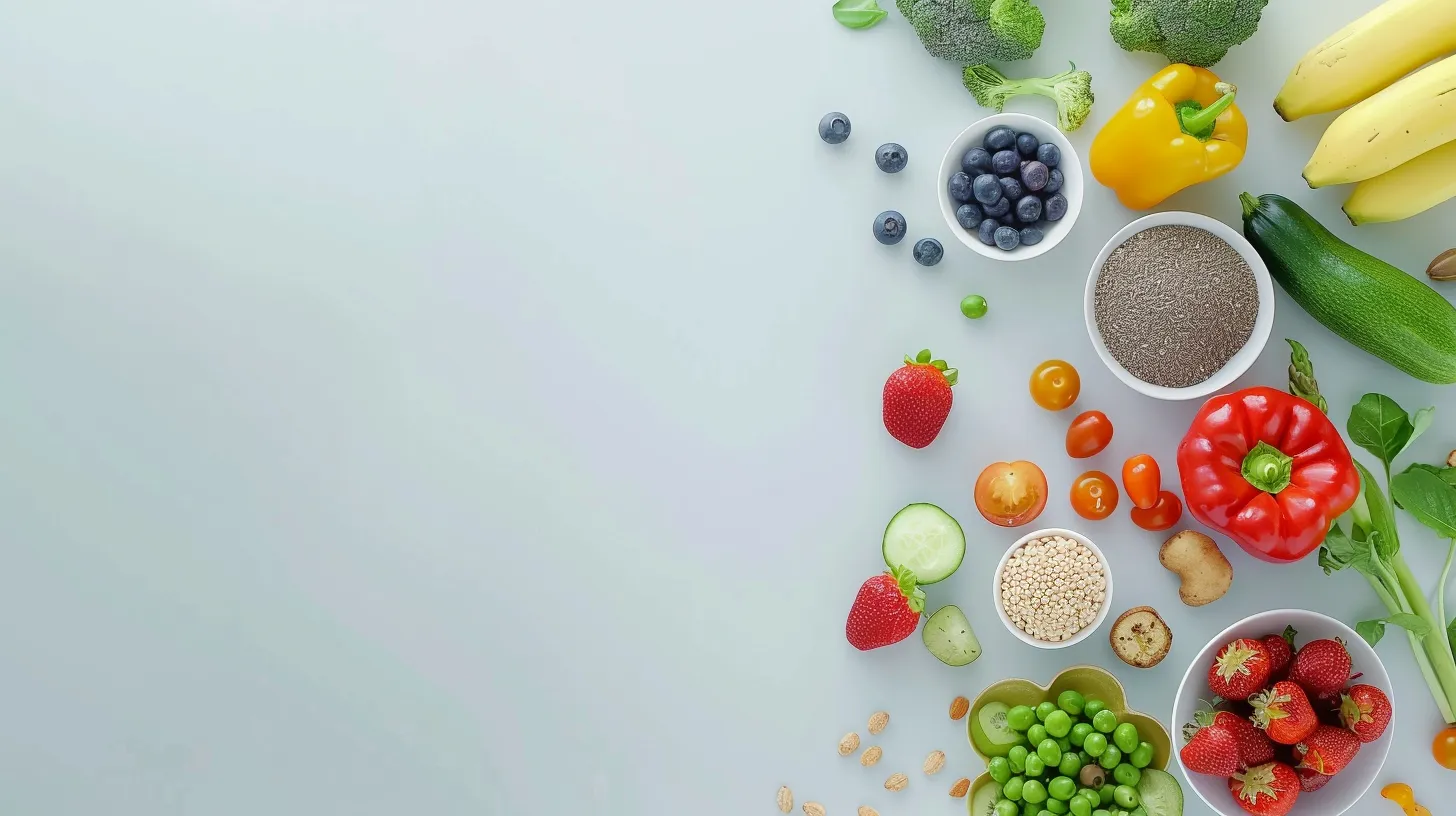
Cutting out sugar while managing food allergies might sound tough, but it’s totally doable. This diet plan helps you eliminate added sugars from your meals while ensuring you’re still steering clear of common allergens. With a bit of creativity and some tasty substitutions, you can enjoy flavorful, satisfying dishes that keep your sweet tooth and allergies in check.
Diet plan grocery list
Diet plan overview
The allergen-free diet plan for no sugar eliminates not just allergens like nuts, dairy, and soy, but also added sugars and sweeteners. This plan focuses on whole, unprocessed foods to naturally avoid both allergens and sugar. Key foods include fresh fruits (in moderation), vegetables, lean proteins, and grains, avoiding processed snacks and sugary drinks.
Adopting this diet means relying on the natural sweetness of whole fruits and choosing ingredients without hidden sugars. Reading labels is crucial to avoid additives that may include allergens or sugars. With a focus on clean eating, this diet supports a healthy lifestyle free from common allergens and excess sugar.
Foods to eat
- Fresh Vegetables: Enjoy a variety of veggies like broccoli, bell peppers, and zucchini for their natural goodness.
- Lean Proteins: Opt for chicken, turkey, and fish which are free of added sugars and allergens.
- Whole Grains: Brown rice, oats, and quinoa offer fiber and nutrients without the sugar.
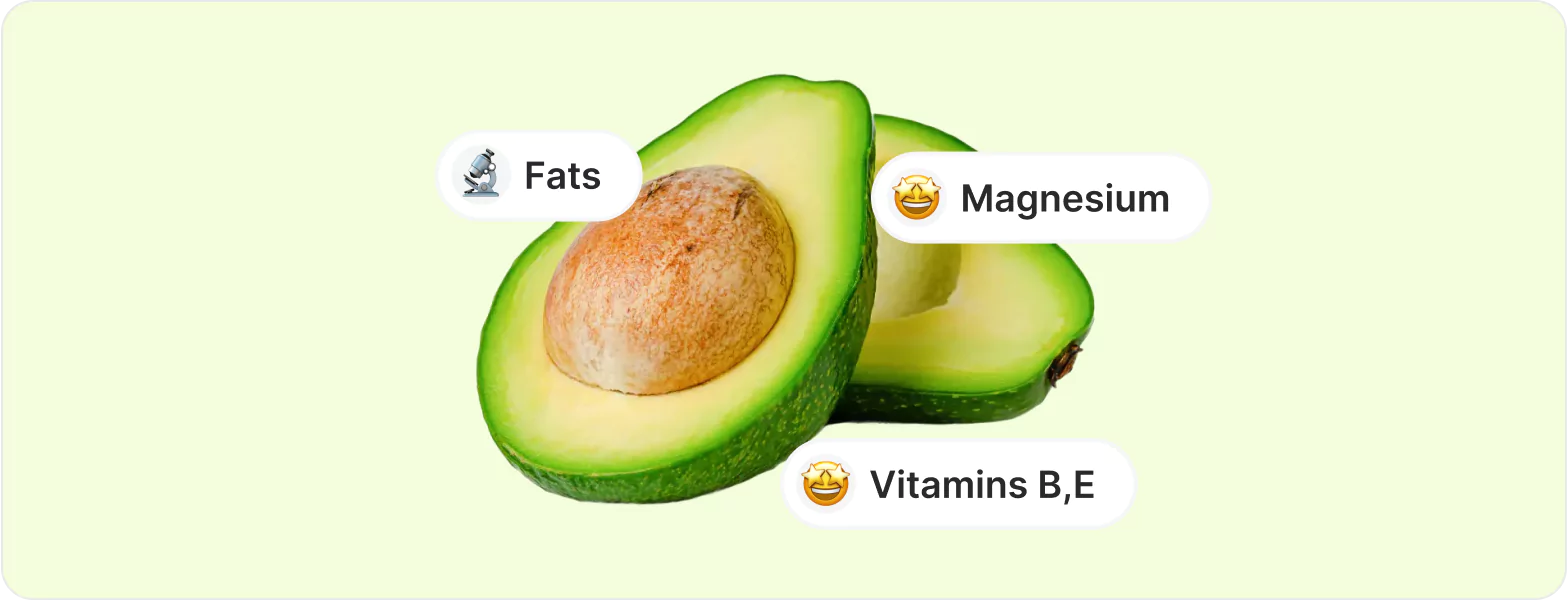
- Healthy Fats: Avocado, olive oil, and coconut oil provide essential fats without added sugar.
- Berries: Fresh or frozen berries like blueberries and strawberries can be a sweet but low-sugar treat.
- Herbs and Spices: Use basil, cilantro, and turmeric to flavor dishes naturally.
Tip
Choose monk fruit or stevia as natural sweeteners to keep your diet sugar-free without allergens.
Foods not to eat
- Processed Snacks: Cookies, chips, and candies often contain hidden sugars and allergens.
- Sugary Drinks: Avoid soda, sweetened tea, and sugary coffee beverages.
- Baked Goods: Cakes, pastries, and bread can have added sugars and wheat gluten.
- Pre-Packaged Sauces: Ketchup, barbecue sauce, and salad dressings often include sugar and additives.
- Dried Fruits: Raisins, dates, and apricots can be high in natural sugars.
- Sugar Substitutes: Artificial sweeteners and sugar alcohols can still impact blood sugar and cause other issues.
Main benefits
The allergen-free diet plan for no sugar supports stable energy levels by eliminating sugary allergens. This diet helps in reducing the risk of sugar-induced inflammation and allergic reactions. It can promote better dental health as sugar, a common allergen, is removed. You'll also likely experience more stable moods without the sugar highs and lows.

How to budget on this diet plan
Opt for whole foods like fresh vegetables and lean proteins instead of processed allergen-free products. They’re often cheaper and more nutritious. Bulk buying staples like rice, beans, and frozen veggies can cut costs while ensuring you always have a meal base on hand.
Cook in batches and freeze portions. This minimizes waste and gives you quick, allergen-free meals without added sugar. Homemade snacks, like roasted nuts or veggie sticks, save money compared to store-bought sugar-free alternatives.
Meal plan suggestion
Day 1
- Breakfast: Quinoa porridge with strawberries, blueberries, and chia seeds (100g quinoa, 50g strawberries, 50g blueberries, 10g chia seeds)
- Lunch: Chicken breast with roasted sweet potatoes and steamed broccoli (150g chicken breast, 200g sweet potatoes, 100g broccoli)
- Dinner: Baked cod with zucchini and brown rice (150g cod, 150g zucchini, 100g brown rice)
- Snack: Apple slices with sunflower seeds (1 apple, 30g sunflower seeds)
- Calories 🔥: 1650 Fat 💧: 45g Carbs 🌾: 210g Protein 🥩: 100g
Day 2
- Breakfast: Smoothie with spinach, avocado, and rice milk (50g spinach, 100g avocado, 200ml rice milk)
- Lunch: Turkey breast salad with kale, bell peppers, and quinoa (150g turkey breast, 100g kale, 50g bell peppers, 100g quinoa)
- Dinner: Pork loin with steamed cauliflower and green beans (150g pork loin, 150g cauliflower, 100g green beans)
- Snack: Orange slices with sunflower seeds (1 orange, 30g sunflower seeds)
- Calories 🔥: 1600 Fat 💧: 50g Carbs 🌾: 190g Protein 🥩: 110g
Day 3
- Breakfast: Chia seed pudding with coconut milk and blueberries (30g chia seeds, 200ml coconut milk, 50g blueberries)
- Lunch: Grilled salmon with carrot and cucumber salad (150g salmon, 100g carrots, 100g cucumber)
- Dinner: Ground beef stir-fry with bell peppers and brown rice (150g ground beef, 100g bell peppers, 100g brown rice)
- Snack: Sliced apple with sunflower seeds (1 apple, 30g sunflower seeds)
- Calories 🔥: 1700 Fat 💧: 60g Carbs 🌾: 180g Protein 🥩: 115g
Day 4
- Breakfast: Coconut milk smoothie with spinach and strawberries (50g spinach, 100g strawberries, 200ml coconut milk)
- Lunch: Lamb with roasted zucchini and quinoa (150g lamb, 150g zucchini, 100g quinoa)
- Dinner: Baked cod with green beans and carrot (150g cod, 100g green beans, 100g carrots)
- Snack: Orange slices with sunflower seeds (1 orange, 30g sunflower seeds)
- Calories 🔥: 1650 Fat 💧: 55g Carbs 🌾: 185g Protein 🥩: 110g
Day 5
- Breakfast: Quinoa porridge with apples and chia seeds (100g quinoa, 1 apple, 10g chia seeds)
- Lunch: Chicken breast with steamed broccoli and brown rice (150g chicken breast, 100g broccoli, 100g brown rice)
- Dinner: Ground beef with roasted sweet potatoes and kale (150g ground beef, 200g sweet potatoes, 100g kale)
- Snack: Blueberries with sunflower seeds (50g blueberries, 30g sunflower seeds)
- Calories 🔥: 1700 Fat 💧: 50g Carbs 🌾: 200g Protein 🥩: 110g
Day 6
- Breakfast: Spinach and avocado smoothie with rice milk (50g spinach, 100g avocado, 200ml rice milk)
- Lunch: Turkey breast with roasted bell peppers and quinoa (150g turkey breast, 100g bell peppers, 100g quinoa)
- Dinner: Pork loin with steamed cauliflower and green beans (150g pork loin, 150g cauliflower, 100g green beans)
- Snack: Sliced apple with sunflower seeds (1 apple, 30g sunflower seeds)
- Calories 🔥: 1600 Fat 💧: 55g Carbs 🌾: 190g Protein 🥩: 105g
Day 7
- Breakfast: Chia seed pudding with coconut milk and strawberries (30g chia seeds, 200ml coconut milk, 100g strawberries)
- Lunch: Grilled salmon with cucumber and carrot salad (150g salmon, 100g cucumber, 100g carrots)
- Dinner: Lamb with steamed broccoli and brown rice (150g lamb, 100g broccoli, 100g brown rice)
- Snack: Orange slices with sunflower seeds (1 orange, 30g sunflower seeds)
- Calories 🔥: 1700 Fat 💧: 60g Carbs 🌾: 185g Protein 🥩: 115g
These nutritional values are approximate and can vary slightly based on specific portion sizes and preparation methods.
Want to learn more?
Keep in mind
Other diet plans
-

Carnivore diet plan for diabetics
This diet plan on the carnivore diet for diabetic individuals is quite low on carbs while approximating almost 100 percent in protein and fats. This helps to control blood sugar levels. Avoiding sugars and most of carbs can make it possible to have diabetes well under control. It is a radical but straightforward dietary intervention which should be done with supervision and guidance from health practitioners.
-

Carnivore diet plan for healthy eating
Healthy eating in the carnivore diet plan comprises a range of nutrient-dense sourced meats, such as organs and bone broths, which contain critical vitamins and minerals. It aims to eliminate inflammatory reactions, which are characteristic of some lifestyle diseases, and cut back the diet to essential nutrients. It may seem limiting, however, it facilitates looking deeper into the quality of every piece of meat cuisine.
-

Carnivore diet plan for beginners
The following carnivore beginner’s plan is especially intended for those who are new to the carnivore way of life. It begins by eating only meat instead of animal-based foods. Just after a few weeks or so, start introducing other types of food, such as fish, poultry, and organ meat. No complicated steps involved - learn the basics of meat preparation and accommodate a new food pattern.