
Allergen-free diet plan for two
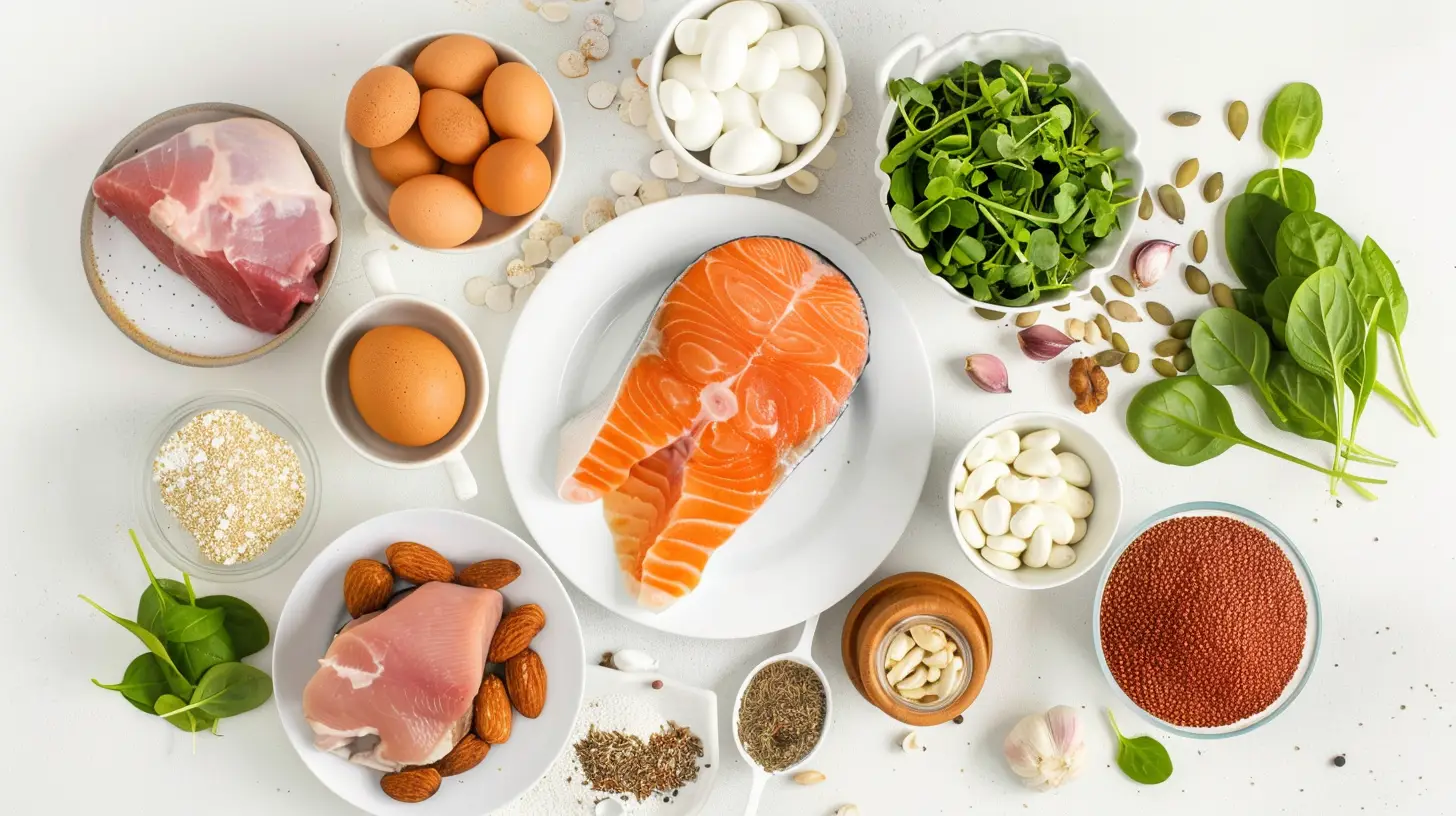
Looking to cook for two with some allergen restrictions? No sweat. This meal plan has been crafted for couples who want to share varied, flavorful meals, sans allergen worries from breakfast to dinner, a plan to keep your plates and bodies happy.
Diet plan grocery list
Diet plan overview
It's actually very enjoyable to cook for two with an allergen-free diet plan for two. It involves a variety of allergen-free recipes that are both healthy and filling for two individuals. From breakfast to dinner, the list contains everything so that meals are both safe and delicious.
Meal planning becomes the thing you are doing together, giving variation on the table and creating a bond. Playing around with the different ingredients that are free from allergens becomes an enjoyable exploration. The outcome of that is each meal is a discovery.
Foods to eat
- Fresh Fruits and Vegetables: Stock up on a variety to share, focusing on those without common allergens.
- Gluten-Free Pasta and Breads: Enjoy meals together with safe gluten-free carbohydrates.
- Lean Meats: Turkey and chicken can be included for protein, as long as they're prepared without allergenic ingredients.
- Homemade Meals: Cooking at home ensures control over ingredients and avoids cross-contamination.
- Safe Desserts: Experiment with allergen-free recipes like rice pudding or fruit-based treats.
Tip
When planning allergen-free meals for two, experiment with diverse grains such as quinoa and millet to keep things interesting and nutritionally balanced for both plates.
Foods not to eat
- Common Allergens: Avoid nuts, dairy, soy, eggs, and seafood to keep meals safe for both.
- Processed Snacks: These often contain hidden allergens, so it's best to avoid them.
- Restaurant Meals: Unless the restaurant specializes in allergen-free cuisine, it's safer to eat at home.
- Artificial Sweeteners: Some people are sensitive to these, so natural sweeteners like honey (if not allergic) are better.
- Condiments: Many store-bought condiments can contain allergens; homemade versions are a safer choice.
Main benefits
The allergen-free diet plan for two promises ease and delight in cooking for two. The good thing with this diet plan is that it does not only benefit people about the menu planning, but it gives both people the right to a variety and right balance of diet that will not restrict the enhancement of the digestive tract and establishment of one's immune system. Therefore, it brings people even closer to each other, both in the sense of personal relations and eating experience, as every meal becomes an additional way in nourishing the body and the relationship.
How to budget on this diet plan
Want to plan an allergen-free diet for two? Well, bulk buying can be just the thing, stock up on allergen-free staples when they're on sale. Use apps and clip coupons for discounts on sometimes pricey allergen-free items. Cook double portions and you've got a meal ready for tomorrow, which will save you time and energy. Always check the unit prices to get the best deal, especially with some of the specialty items.
Meal plan suggestion
Day 1
- Breakfast: Quinoa porridge with blueberries and bananas
- Lunch: Grilled chicken breast with brown rice and steamed broccoli
- Dinner: Baked salmon with sweet potatoes and sautéed spinach
- Snack: Apple slices with avocado
Day 2
- Breakfast: Smoothie with strawberries, spinach, and mango
- Lunch: Ground turkey lettuce wraps with shredded carrots and bell peppers
- Dinner: Grilled lamb chops with roasted cauliflower and steamed green beans
- Snack: Pear slices with cucumber sticks
Day 3
- Breakfast: Brown rice with diced apples and cinnamon
- Lunch: Baked cod with quinoa and roasted zucchini
- Dinner: Beef sirloin stir-fry with bell peppers and asparagus
- Snack: Pineapple chunks with raspberries
Day 4
- Breakfast: Oatmeal with blueberries and strawberries
- Lunch: Pork tenderloin with mashed sweet potatoes and sautéed kale
- Dinner: Grilled tilapia with brown rice and steamed broccoli
- Snack: Sliced oranges with grapes
Day 5
- Breakfast: Smoothie with pineapple, spinach, and banana
- Lunch: Chicken breast with quinoa and roasted carrots
- Dinner: Baked salmon with zucchini noodles and steamed cauliflower
- Snack: Sliced mango with cucumber sticks
Day 6
- Breakfast: Quinoa porridge with raspberries and sliced apples
- Lunch: Ground turkey with brown rice and sautéed bell peppers
- Dinner: Grilled lamb chops with roasted sweet potatoes and steamed asparagus
- Snack: Grapes with avocado slices
Day 7
- Breakfast: Smoothie with strawberries, blueberries, and banana
- Lunch: Beef sirloin with quinoa and steamed green beans
- Dinner: Baked cod with brown rice and sautéed kale
- Snack: Sliced pears with pineapple chunks
Want to learn more?
Keep in mind
Other diet plans
-

Carnivore diet plan for diabetics
This diet plan on the carnivore diet for diabetic individuals is quite low on carbs while approximating almost 100 percent in protein and fats. This helps to control blood sugar levels. Avoiding sugars and most of carbs can make it possible to have diabetes well under control. It is a radical but straightforward dietary intervention which should be done with supervision and guidance from health practitioners.
-

Carnivore diet plan for healthy eating
Healthy eating in the carnivore diet plan comprises a range of nutrient-dense sourced meats, such as organs and bone broths, which contain critical vitamins and minerals. It aims to eliminate inflammatory reactions, which are characteristic of some lifestyle diseases, and cut back the diet to essential nutrients. It may seem limiting, however, it facilitates looking deeper into the quality of every piece of meat cuisine.
-

Carnivore diet plan for beginners
The following carnivore beginner’s plan is especially intended for those who are new to the carnivore way of life. It begins by eating only meat instead of animal-based foods. Just after a few weeks or so, start introducing other types of food, such as fish, poultry, and organ meat. No complicated steps involved - learn the basics of meat preparation and accommodate a new food pattern.