
Budget-friendly diet plan for vegetarians
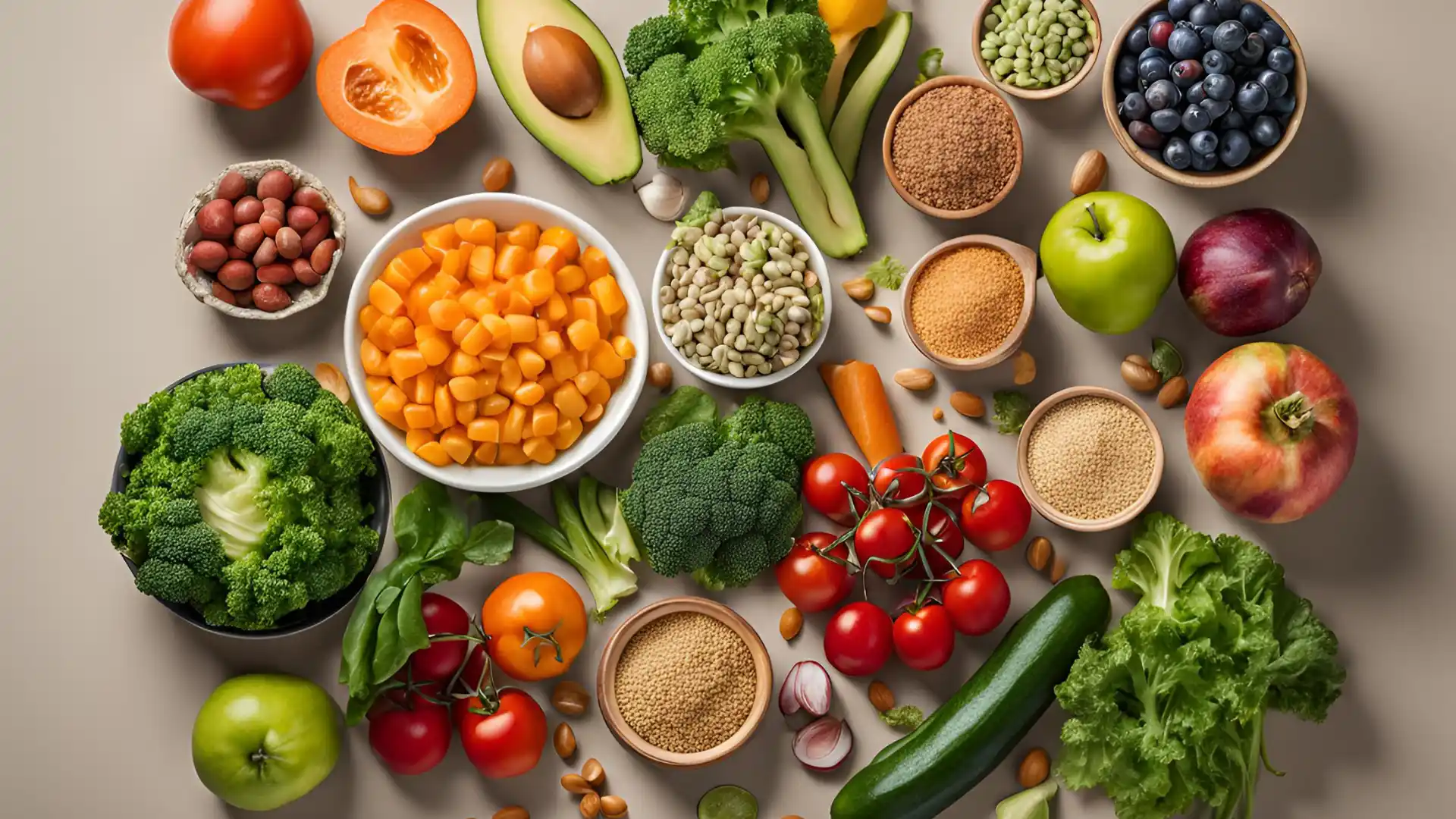
Going vegetarian on a budget is totally doable. A budget-friendly diet plan for vegetarians focuses on inexpensive, plant-based foods that are both tasty and nutritious. With a bit of creativity, you can enjoy a variety of meals without overspending.
Diet plan grocery list
Diet plan overview
The budget-friendly diet plan for vegetarians focuses on affordable plant-based foods. It includes staples like lentils, chickpeas, and seasonal vegetables that provide essential nutrients. This plan helps vegetarians enjoy a balanced diet without overspending.
By using cost-effective ingredients, this diet ensures you get all the necessary nutrients. It’s a practical approach to vegetarian eating that’s both nutritious and budget-friendly.

Foods to eat
- Legumes: Beans, lentils, and chickpeas are great protein sources and budget-friendly.
- Whole Grains: Quinoa, brown rice, and whole wheat pasta provide essential nutrients and fiber.
- Vegetables: Seasonal vegetables like carrots, spinach, and broccoli are affordable and nutritious.
- Fruits: Apples, bananas, and oranges are economical choices for snacks and desserts.
- Nuts and Seeds: Almonds, sunflower seeds, and chia seeds offer healthy fats and proteins.
Tip
Eggs are your protein powerhouse – versatile, affordable, and perfect for vegetarians of all experience levels.
Foods not to eat
- Processed Veggie Burgers: These can be expensive and often contain added preservatives.
- Fancy Cheese: Exotic and specialty cheeses are tasty but can be pricey and unnecessary.
- High-Sugar Snacks: Limit sugary granola bars and candies that don't offer much nutrition.
- Exotic Fruits: While tasty, fruits like dragon fruit and kiwi can be costly and not essential.
- Pre-packaged Vegan Meals: Often expensive and not as fresh as homemade options.
Main benefits
Following a budget-friendly diet plan for vegetarians can reveal the cost benefits of plant-based proteins like lentils and beans. This plan often highlights seasonal produce, which is cheaper and fresher. You’ll likely explore a variety of delicious, meatless dishes that are both satisfying and economical. Moreover, it supports a lower environmental footprint without straining your wallet.
How to budget on this diet plan
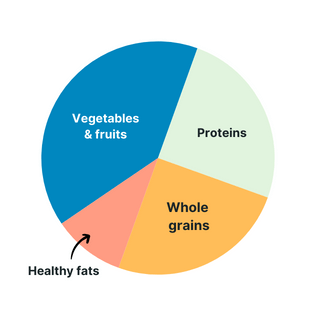
Being vegetarian doesn't mean spending a fortune on fancy meat alternatives. Beans and lentils are your protein superstars - cheap, versatile, and packed with fiber. Stock up on seasonal veggies - they're usually the most affordable option. Eggs are another budget-friendly protein source, perfect for breakfast or lunch. Get creative with vegetarian protein sources like tofu - it can be marinated and baked for a delicious and affordable main course.
Meal plan suggestion
Day 1
- Breakfast: Oatmeal with sliced banana and a sprinkle of almonds
- Lunch: Lentil soup with carrots, tomatoes, and spinach
- Dinner: Baked tofu with quinoa and steamed broccoli
- Snack: Greek yogurt with strawberries
Day 2
- Breakfast: Smoothie with spinach, banana, and almond milk
- Lunch: Chickpea salad with cucumber, tomatoes, and olive oil dressing
- Dinner: Stuffed bell peppers with black beans, quinoa, and tomatoes
- Snack: Carrot sticks with hummus
Day 3
- Breakfast: Greek yogurt with blueberries and a sprinkle of oats
- Lunch: Quinoa salad with mixed greens, tomatoes, and cucumbers
- Dinner: Lentil and vegetable stir-fry with brown rice
- Snack: Apple slices with a tablespoon of peanut butter
Day 4
- Breakfast: Oatmeal with strawberries and a sprinkle of almonds
- Lunch: Black bean salad with bell peppers, onions, and tomatoes
- Dinner: Baked tofu with sweet potatoes and steamed kale
- Snack: Cottage cheese with a handful of blueberries
Day 5
- Breakfast: Smoothie with spinach, apple, and soy milk
- Lunch: Whole wheat pasta salad with spinach, tomatoes, and cucumbers
- Dinner: Stuffed zucchini with quinoa, tomatoes, and bell peppers
- Snack: Orange slices with a handful of walnuts
Day 6
- Breakfast: Scrambled eggs with kale and a slice of whole wheat toast
- Lunch: Lentil stew with carrots, tomatoes, and spinach
- Dinner: Baked sweet potatoes with black beans and salsa
- Snack: Greek yogurt with strawberries
Day 7
- Breakfast: Oatmeal with blueberries and a sprinkle of almonds
- Lunch: Quinoa salad with mixed greens, tomatoes, and cucumbers
- Dinner: Baked tofu with brown rice and steamed broccoli
- Snack: Apple slices with peanut butter
Want to learn more?
Keep in mind
Other diet plans
-

Carnivore diet plan for diabetics
This diet plan on the carnivore diet for diabetic individuals is quite low on carbs while approximating almost 100 percent in protein and fats. This helps to control blood sugar levels. Avoiding sugars and most of carbs can make it possible to have diabetes well under control. It is a radical but straightforward dietary intervention which should be done with supervision and guidance from health practitioners.
-

Carnivore diet plan for healthy eating
Healthy eating in the carnivore diet plan comprises a range of nutrient-dense sourced meats, such as organs and bone broths, which contain critical vitamins and minerals. It aims to eliminate inflammatory reactions, which are characteristic of some lifestyle diseases, and cut back the diet to essential nutrients. It may seem limiting, however, it facilitates looking deeper into the quality of every piece of meat cuisine.
-

Carnivore diet plan for beginners
The following carnivore beginner’s plan is especially intended for those who are new to the carnivore way of life. It begins by eating only meat instead of animal-based foods. Just after a few weeks or so, start introducing other types of food, such as fish, poultry, and organ meat. No complicated steps involved - learn the basics of meat preparation and accommodate a new food pattern.