
climatarian diet meal plan
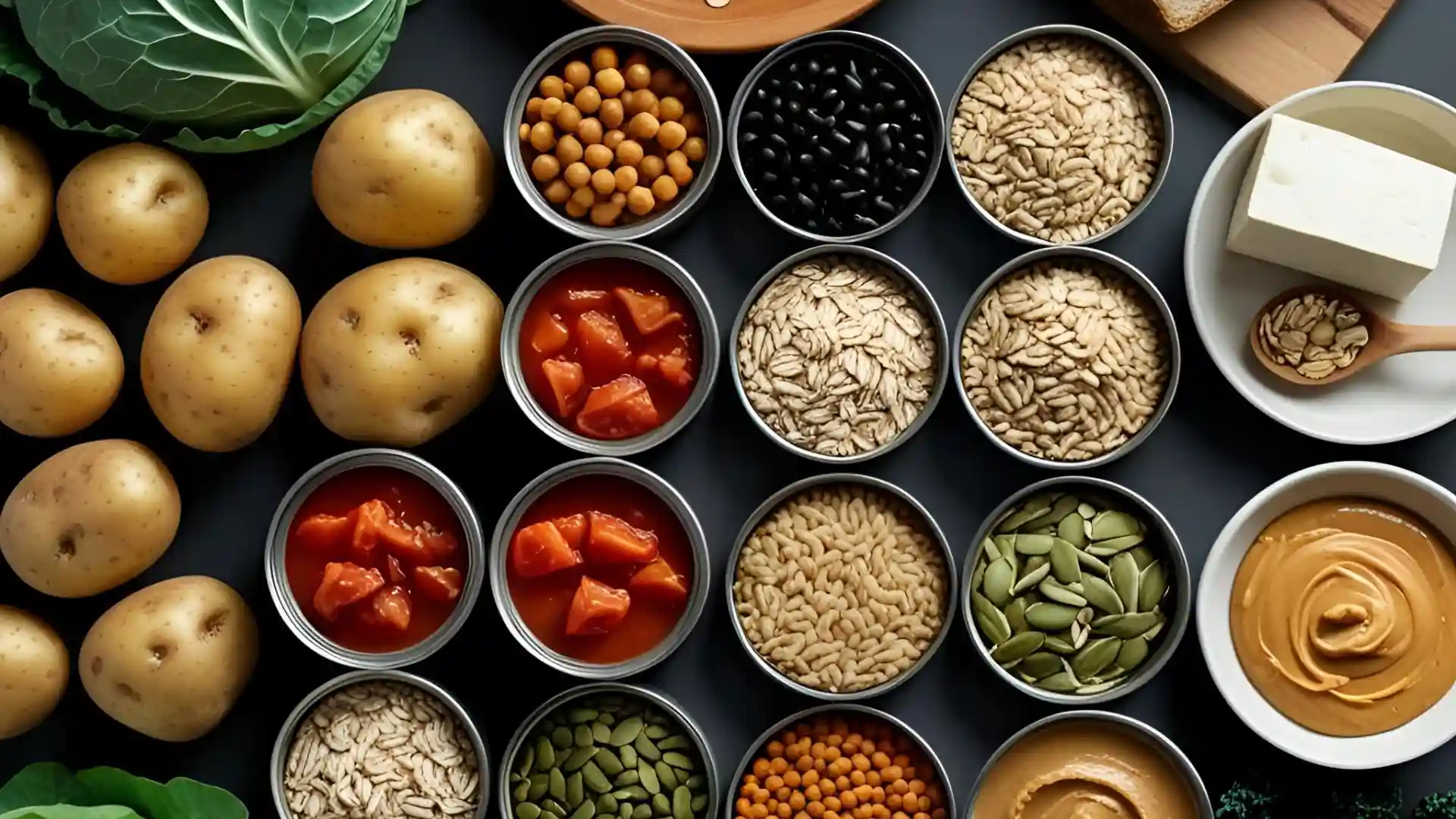
Make a difference with our climatarian diet meal plan. Focused on low-carbon, planet-friendly foods, this plan helps you reduce your environmental impact while enjoying nutritious and delicious meals.
Meal plan grocery list
 Fresh grocery
 Dry goods
 Cans & jars
 Bakery
 Dairy & eggs
 Plant based
 Frozen
 Spices & sauces
Meal plan overview
Eat sustainably with the climatarian diet meal plan. This plan includes low-impact foods that reduce your carbon footprint without compromising on nutrition.
Ideal for eco-conscious eaters, it focuses on seasonal produce, local ingredients, and responsible protein sources. Make every meal a step toward a greener future.
Foods to eat
- Local produce: Choose seasonal fruits and vegetables grown nearby.
- Legumes: Eat lentils, chickpeas, and beans as sustainable protein sources.
- Whole grains: Include oats, barley, and brown rice for eco-friendly energy.
- Plant-based proteins: Add tofu, tempeh, and seeds to minimize carbon footprint.
- Minimally processed foods: Prioritize simple ingredients over packaged items.
- Low-impact oils: Use canola, rapeseed, and olive oil for climate-friendly fat sources.
Tip
Foods not to eat
- Red meat: Reduce consumption of beef and lamb due to high environmental impact.
- Imported produce: Avoid out-of-season fruits and vegetables with long transport distances.
- Dairy excess: Limit milk, butter, and cheese with large carbon footprints.
- Processed snacks: Cut out packaged foods that generate excess waste.
- Palm oil: Avoid products containing palm oil due to deforestation concerns.
Read more about key products


Main benefits
The climatarian diet meal plan helps reduce your environmental impact while maintaining a nutritious diet. It emphasizes local, seasonal produce and sustainable proteins like legumes and tofu. Low-carbon grains and minimal packaging support eco-friendly eating. The plan aligns health with climate-conscious choices.
How to budget on this meal plan
Focus on low-cost, climate-friendly staples like lentils, beans, and seasonal vegetables. Shop at local farmer’s markets for fresh produce at better prices. Limit packaged foods and opt for whole ingredients in bulk. Cook large batches and repurpose leftovers to minimize waste.
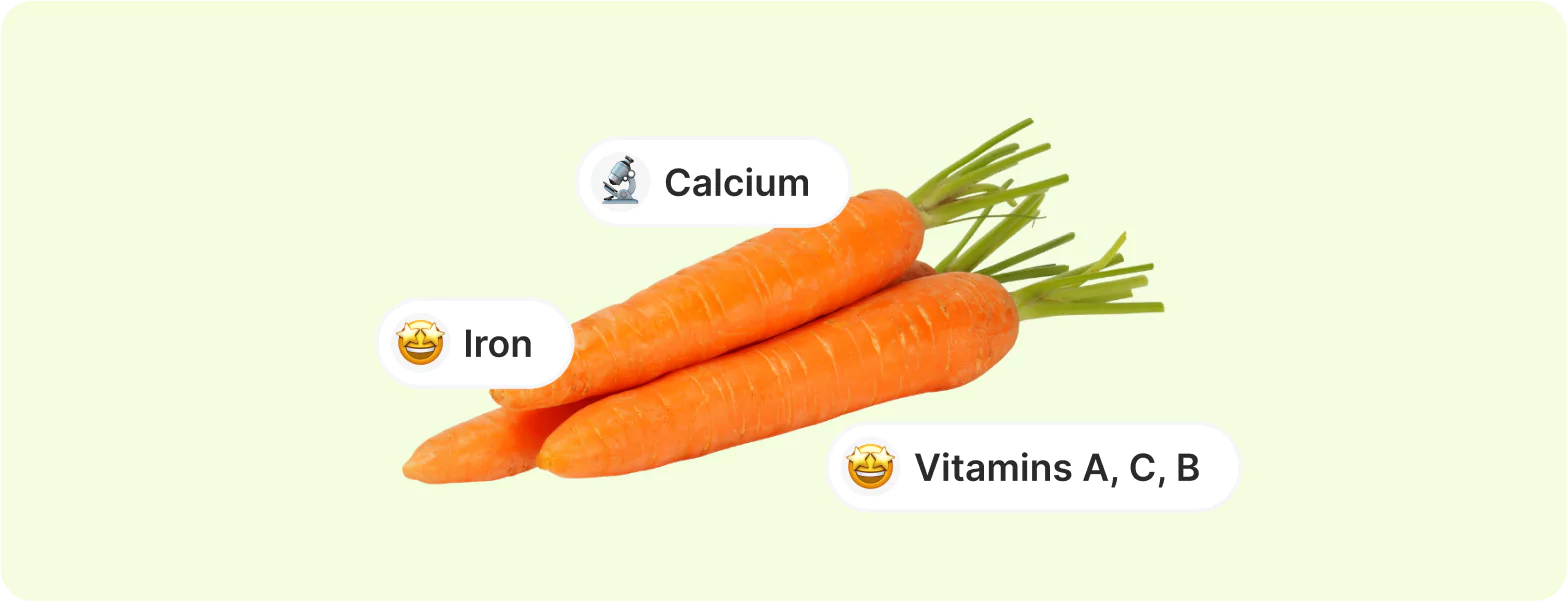
Packed with vitamins, minerals, and antioxidants:


Extra tips
Any healthy snack ideas?
Try these eco-friendly snack ideas:
- Homemade oat bars
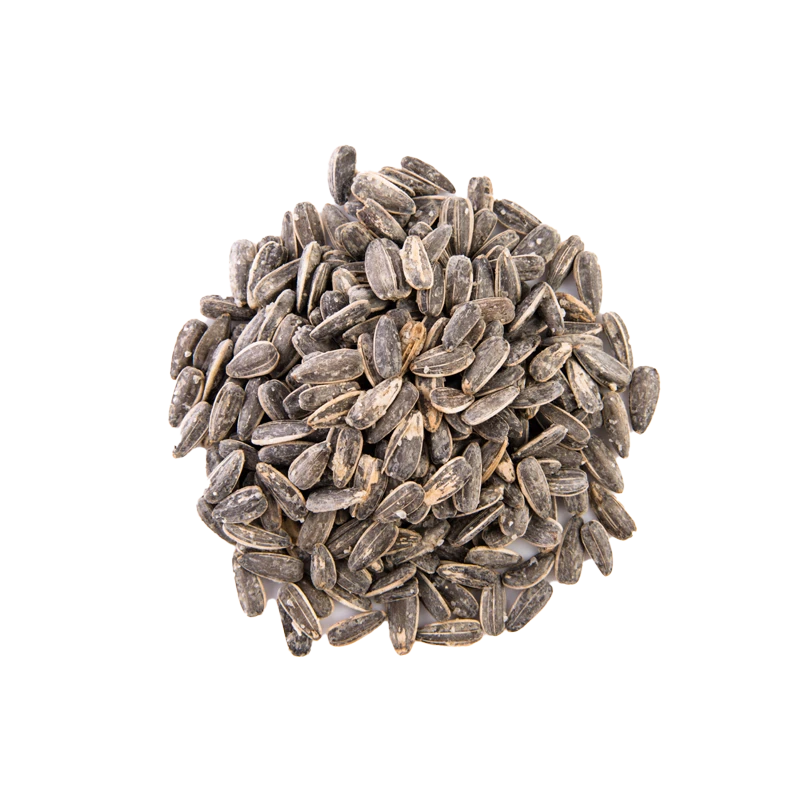
- Apple slices with sunflower seed butter
- Roasted lentils or chickpeas
- Rye crispbread with hummus
- Trail mix with seeds and dried fruit
- Seasonal vegetable sticks
- Frozen local berries
What should I drink on this meal plan?
Hydrate with filtered water, herbal teas, and low-impact beverages like local fruit infusions. Avoid bottled soft drinks and plastic-packed juices. Choose water-rich fruits and vegetables like cucumbers and berries. Carry a reusable bottle to reduce waste and stay hydrated. Cold barley tea is a sustainable alternative to commercial drinks.
How to get even more nutrients?
Combine sustainable protein sources like tofu, lentils, and beans throughout the week. Add diverse vegetables such as kale, carrots, and parsnips for micronutrient variety. Choose whole grains like barley and oats over refined ones. Use cold-pressed oils for added omega-3s. Drink plenty of water to support digestion and metabolism.
Meal plan suggestion
Day 1
- Breakfast: Whole oats with plant-based milk and frozen berries
- Lunch: Lentil and spinach stew with carrots and leeks
- Dinner: Tofu and cabbage stir-fry with brown rice and canola oil
- Snack: Apple slices with peanut butter
- Calories 🔥: 1900 Fat 💧: 68g Carbs 🌾: 225g Protein 🥩: 85g
Day 2
- Breakfast: Rye bread with sunflower seeds and peanut butter
- Lunch: Chickpea salad with kale, turnips, and rapeseed oil dressing
- Dinner: Baked tempeh with barley, roasted parsnips, and mushrooms
- Snack: Seasonal apple with pumpkin seeds
- Calories 🔥: 1950 Fat 💧: 70g Carbs 🌾: 230g Protein 🥩: 88g
Day 3
- Breakfast: Oats with plant-based milk, frozen berries, and sunflower seeds
- Lunch: Tofu and cabbage soup with onions, leeks, and potatoes
- Dinner: Black bean and carrot patties with brown rice and kale
- Snack: Rye bread with peanut butter and sliced apple
- Calories 🔥: 1900 Fat 💧: 65g Carbs 🌾: 225g Protein 🥩: 90g
Day 4
- Breakfast: Whole oats with pumpkin seeds, frozen berries, and canola oil
- Lunch: Lentil and potato mash with sautéed spinach and onions
- Dinner: Tempeh stir-fry with cabbage, carrots, and barley
- Snack: Apple slices and roasted parsnips with herbs
- Calories 🔥: 1850 Fat 💧: 66g Carbs 🌾: 220g Protein 🥩: 85g
Day 5
- Breakfast: Rye bread with peanut butter and seasonal apple
- Lunch: Chickpea and kale curry with brown rice and onions
- Dinner: Baked tofu with mashed potatoes and sautéed cauliflower
- Snack: Pumpkin seeds and frozen berry smoothie with plant-based milk
- Calories 🔥: 1950 Fat 💧: 70g Carbs 🌾: 230g Protein 🥩: 90g
Day 6
- Breakfast: Oats with plant-based milk, frozen berries, and pumpkin seeds
- Lunch: Black bean stew with leeks, carrots, and brown rice
- Dinner: Tempeh and parsnip bake with herbs and barley
- Snack: Rye toast with peanut butter and apple
- Calories 🔥: 1900 Fat 💧: 68g Carbs 🌾: 225g Protein 🥩: 87g
Day 7
- Breakfast: Whole oats with apple, plant-based milk, and sunflower seeds
- Lunch: Tofu and lentil skillet with potatoes, kale, and rapeseed oil
- Dinner: Chickpeas with roasted cauliflower, carrots, and brown rice
- Snack: Frozen berry smoothie with pumpkin seeds
- Calories 🔥: 1950 Fat 💧: 70g Carbs 🌾: 230g Protein 🥩: 90g
These nutritional values are approximate and can vary slightly based on specific portion sizes and preparation methods.
Want to learn more?
Keep in mind
Other meal plans
-

7-day Meal Plan For Mediterranean Diet
Embarking on a Mediterranean journey? You're in for a treat! Discover the secrets of a 7-day Mediterranean diet meal plan and how it can invigorate your health. This article will guide you through a flavorful world of nutritious foods and show you how to turn these meals into an efficient shopping list. Let's set sail!
-

7-day Meal Plan For Weight Loss
Ready to kickstart your weight loss journey? A 7-day meal plan tailored for weight loss could be your golden ticket. In this article, we'll explore how to craft a weight loss meal plan that's both delicious and effective for shedding pounds, plus tips on transforming it into a smart shopping list. Time to get excited about your health goals!
-

7-day Meal Plan For Diabetics
Managing diabetes with diet doesn't have to be daunting. Learn how a 7-day meal plan can help control your blood sugar and improve overall health. We'll guide you through creating diabetic-friendly meals and turning them into a simple shopping list. Let's make healthy eating a breeze!