
Dairy-free diet plan for beginners
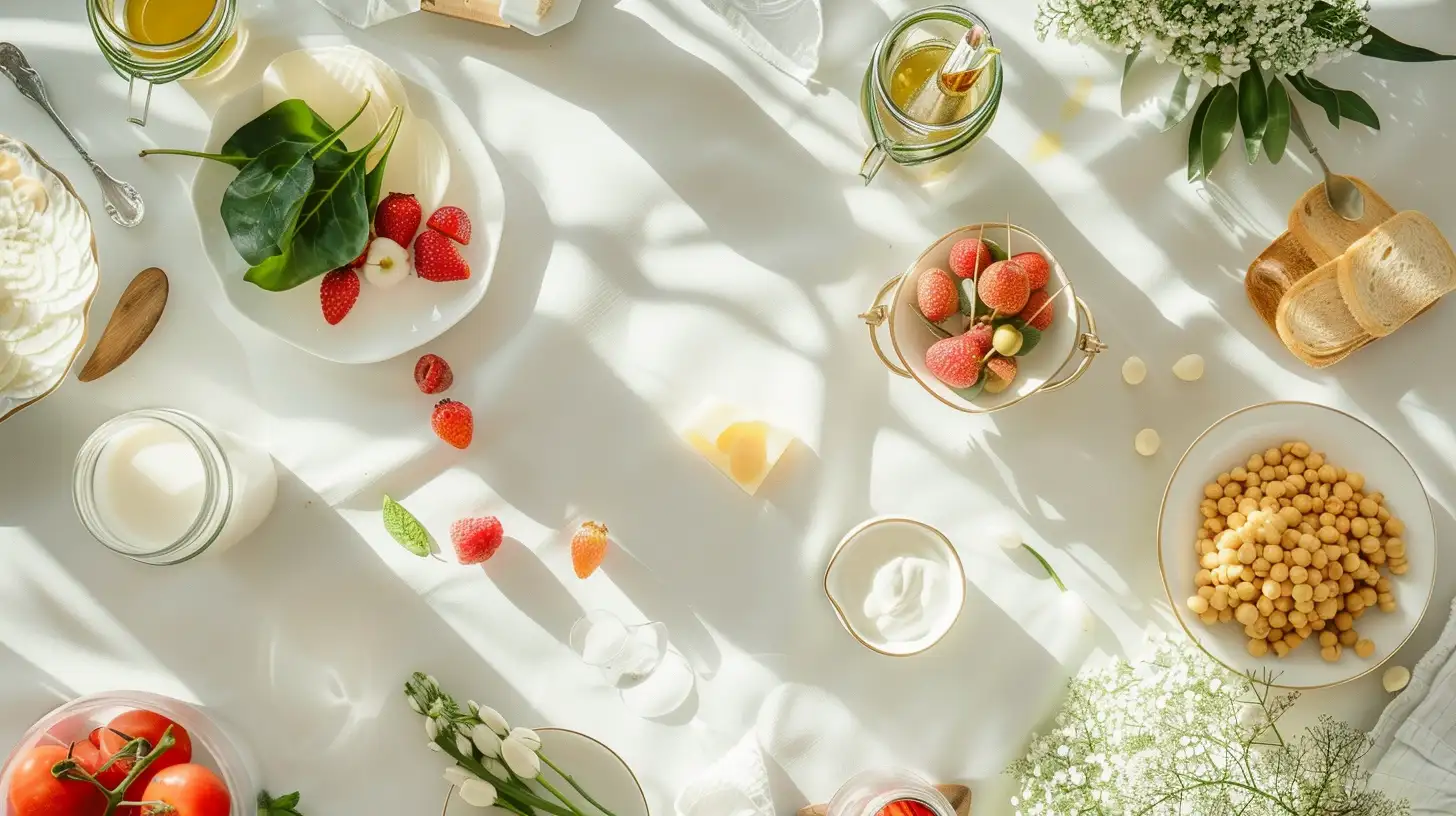
Starting a dairy-free lifestyle can seem daunting, but it's simpler than you might think. The key is to gradually replace dairy products with plant-based alternatives that taste great and fulfill your nutritional needs. With a bit of experimentation, you'll hardly miss the old staples!
Diet plan grocery list
Diet plan overview
Starting a dairy-free diet plan for beginners doesn't have to be complicated. Begin by learning to identify dairy products and reading labels carefully to avoid hidden dairy ingredients. It's important to supplement the diet with calcium-rich foods like kale, broccoli, and fortified plant milks to maintain nutrient balance.
Gradually replacing dairy with suitable alternatives helps ease the transition. Soy, almond, and oat milks are excellent for cooking and baking, allowing beginners to enjoy their favorite dishes dairy-free.
Foods to eat
- Non-Dairy Milk Alternatives: Almond milk, soy milk, oat milk, and coconut milk are good replacements for cow's milk.
- Plant-Based Yogurts: Coconut yogurt, almond yogurt, and soy yogurt provide probiotics without the dairy.
- Lean Meats and Poultry: Chicken breast, turkey, and lean beef offer high-quality protein.
- Vegetables and Fruits: Broccoli, spinach, kale, apples, and bananas provide essential vitamins and minerals.
- Whole Grains: Brown rice, quinoa, oats, and barley are rich in fiber and nutrients.
Tip
Try adding canned coconut milk to your soups for a creamy, flavorful twist that simplifies meal prep.
Foods not to eat
- Regular Dairy Products: Milk, cheese, butter, and cream should be swapped for non-dairy alternatives.
- Hidden Dairy: Watch out for processed foods like soups, salad dressings, and sauces that may contain dairy ingredients.
- Whey and Casein: Protein powders and snacks with these dairy-based proteins can be problematic.
- Milk Chocolates: Switch to dark chocolate or dairy-free alternatives to satisfy your sweet tooth.
- Certain Baked Goods: Cakes, cookies, and pastries often contain dairy ingredients like butter and milk.
Main benefits
A dairy-free diet plan for beginners simplifies the journey into a healthier lifestyle by encouraging easy swaps like oat milk for cow's milk. Many beginners find they naturally consume fewer processed foods, as dairy often sneaks into packaged snacks. This diet helps you reconnect with the basics of nutrition, focusing on whole, unprocessed ingredients. Plus, newbies often find relief from sinus congestion and skin issues after ditching dairy.
How to budget on this diet plan
As a beginner on a dairy-free diet, you can save cash by sticking to the basics like fruits, veggies, grains, and affordable proteins like eggs and canned fish. Cooking in bulk will help you avoid the lure of expensive dairy-free convenience foods. Instead of splurging on fancy dairy-free cheeses, opt for avocados or hummus as creamy replacements. Also, explore online recipes to make your own salad dressings and sauces.
Meal plan suggestion
Day 1
- Breakfast: Coconut yogurt with berries and almond flour granola
- Lunch: Kale salad with chickpeas, avocado, and tahini dressing
- Dinner: Grilled chicken breast with quinoa and roasted bell peppers
- Snack: Apple slices with peanut butter
Day 2
- Breakfast: Almond milk smoothie with bananas, berries, and spinach
- Lunch: Tuna salad with avocado, quinoa, and spinach
- Dinner: Shrimp stir-fry with broccoli, zucchini, and brown rice
- Snack: Grapes and soy cheese cubes
Day 3
- Breakfast: Oat milk chia pudding with bananas and berries
- Lunch: Quinoa salad with avocado, kale, and tahini dressing
- Dinner: Ground turkey stuffed bell peppers with cauliflower rice
- Snack: Almond flour crackers with peanut butter
Day 4
- Breakfast: Coconut yogurt parfait with almond flour granola and berries
- Lunch: Chicken breast wrap with spinach, avocado, and tahini dressing
- Dinner: Salmon with sweet potato mash and sautéed kale
- Snack: Banana slices with peanut butter
Day 5
- Breakfast: Oat milk smoothie bowl with avocado, berries, and almond flour granola
- Lunch: Lentil salad with kale, bell peppers, and tahini dressing
- Dinner: Grilled chicken breast with quinoa and roasted zucchini
- Snack: Apple slices with soy cheese
Day 6
- Breakfast: Almond milk chia pudding with berries and bananas
- Lunch: Broccoli and mushroom stir-fry with brown rice and avocado
- Dinner: Tuna patties with cauliflower rice and sautéed spinach
- Snack: Grapes and soy cheese cubes
Day 7
- Breakfast: Coconut yogurt parfait with almond flour granola and berries
- Lunch: Ground turkey lettuce wraps with quinoa, avocado, and tahini dressing
- Dinner: Shrimp stir-fry with sweet potatoes, bell peppers, and broccoli
- Snack: Banana slices with peanut butter
Want to learn more?
Keep in mind
Other diet plans
-

Carnivore diet plan for diabetics
This diet plan on the carnivore diet for diabetic individuals is quite low on carbs while approximating almost 100 percent in protein and fats. This helps to control blood sugar levels. Avoiding sugars and most of carbs can make it possible to have diabetes well under control. It is a radical but straightforward dietary intervention which should be done with supervision and guidance from health practitioners.
-

Carnivore diet plan for healthy eating
Healthy eating in the carnivore diet plan comprises a range of nutrient-dense sourced meats, such as organs and bone broths, which contain critical vitamins and minerals. It aims to eliminate inflammatory reactions, which are characteristic of some lifestyle diseases, and cut back the diet to essential nutrients. It may seem limiting, however, it facilitates looking deeper into the quality of every piece of meat cuisine.
-

Carnivore diet plan for beginners
The following carnivore beginner’s plan is especially intended for those who are new to the carnivore way of life. It begins by eating only meat instead of animal-based foods. Just after a few weeks or so, start introducing other types of food, such as fish, poultry, and organ meat. No complicated steps involved - learn the basics of meat preparation and accommodate a new food pattern.