
Dairy-free diet plan for free
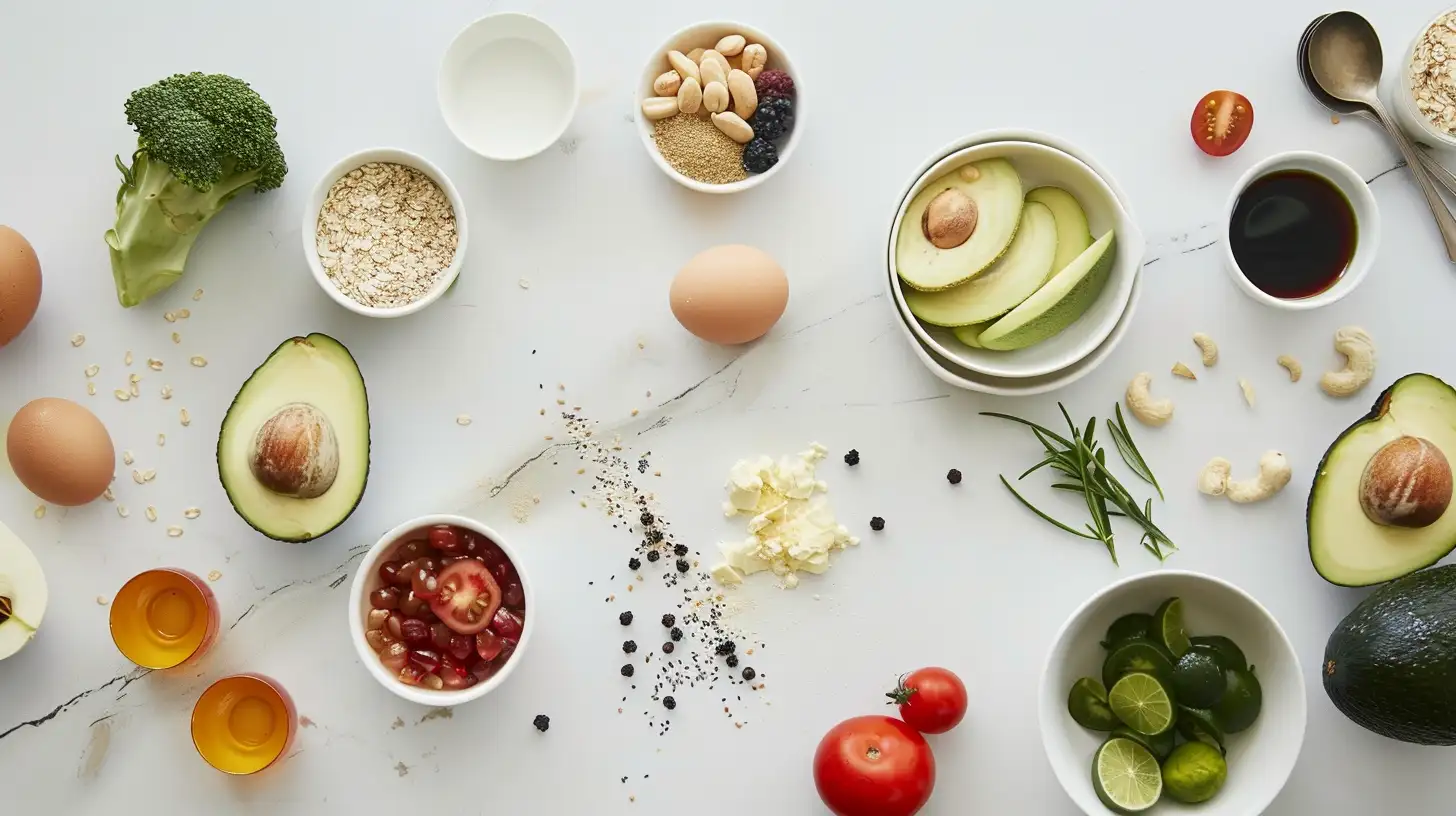
Going dairy-free is a lifestyle choice that many find beneficial for various health reasons. Whether you’re lactose intolerant or just trying to cut down on dairy, this diet can be adapted to meet your nutritional needs. It’s all about discovering new and satisfying ways to enjoy meals without dairy on your plate.
Diet plan grocery list
Diet plan overview
The dairy-free diet plan is a great choice for those who are lactose intolerant or simply looking to avoid dairy. This diet involves substituting dairy products with plant-based alternatives such as almond milk, coconut yogurt, and vegan cheese. It’s designed to be flexible, accommodating a wide range of dietary needs while ensuring you get all the necessary nutrients.
Eating a variety of foods is key to covering all your nutritional bases. This diet encourages the inclusion of a broad spectrum of fruits, vegetables, whole grains, and proteins to keep meals interesting and nutritionally balanced. Whether you're exploring dairy-free options for health reasons or ethical choices, this plan provides a solid foundation to maintain a healthy diet.
Foods to eat
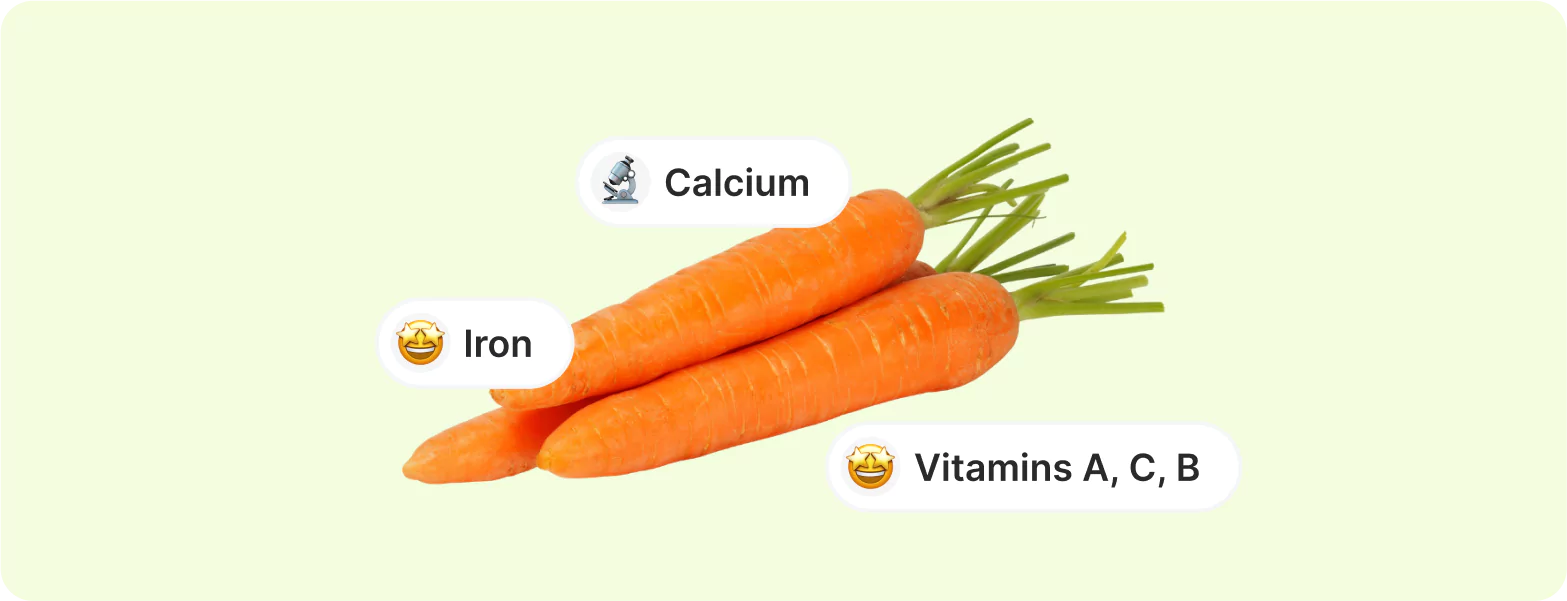
- Fresh Vegetables: Carrots, peppers, zucchini, and leafy greens are versatile and nutritious.
- Whole Fruits: Apples, oranges, and bananas are naturally sweet and filling.
- Legumes: Lentils, black beans, and chickpeas provide protein and fiber.
- Whole Grains: Brown rice, quinoa, and millet make a hearty base for meals.
- Nuts and Seeds: Walnuts, sunflower seeds, and pistachios offer healthy fats and protein.
Tip
Blend soaked cashews into a silky sauce to drizzle over your favorite dishes.
Foods not to eat
- Dairy Products: Milk, cheese, and butter are off the table.
- Butter and Margarine: Often contain dairy or hidden milk derivatives.
- Packaged Snacks: Many crackers and cookies contain dairy-based ingredients.
- Processed Sauces: Cream-based sauces and salad dressings usually include dairy.
- Fast Food: Often contains dairy additives in unexpected places like bread or sauces.
Main benefits
The general dairy-free diet plan can be a game-changer for your overall health. Eliminating dairy could lead to improved cardiovascular health, as dairy-free diets are typically lower in saturated fats. You might also notice fewer digestive issues and a decrease in sinus congestion, common complaints among those sensitive to dairy. Plus, this diet often leads to a more varied intake of nutrients, as you explore dairy alternatives like almond milk or coconut yogurt.
How to budget on this diet plan
Going dairy-free doesn’t need to cost a dime if you're smart about it. Focus on meals that feature naturally dairy-free ingredients like rice, potatoes, and veggies. You probably already have some of these in your pantry. Swap cow’s milk for homemade alternatives like oat or rice milk to avoid pricey store-bought versions. Look for free recipes and meal plans online to get creative in the kitchen. And don’t underestimate the power of leftovers; reusing what’s already cooked can stretch your budget further.
Meal plan suggestion
Day 1
- Breakfast: Smoothie with almond milk, spinach, banana, and chia seeds
- Lunch: Quinoa salad with kale, chickpeas, bell peppers, and tahini dressing
- Dinner: Grilled salmon with roasted sweet potatoes and sautéed zucchini
- Snack: Coconut yogurt with strawberries and hemp seeds
Day 2
- Breakfast: Oatmeal with oat milk, blueberries, and almond butter
- Lunch: Tofu stir-fry with brown rice, kale, and bell peppers
- Dinner: Tempeh tacos with avocado, spinach, and cashew cheese
- Snack: Apple slices with almond butter
Day 3
- Breakfast: Smoothie bowl with coconut yogurt, blueberries, and chia seeds
- Lunch: Lentil soup with kale, zucchini, and nutritional yeast
- Dinner: Grilled chicken breasts with quinoa, roasted sweet potatoes, and avocado
- Snack: Banana with almond butter
Day 4
- Breakfast: Tofu scramble with spinach, bell peppers, and nutritional yeast
- Lunch: Quinoa bowl with avocado, kale, chickpeas, and tahini dressing
- Dinner: Salmon with coconut cream, brown rice, and sautéed zucchini
- Snack: Coconut yogurt with strawberries and hemp seeds
Day 5
- Breakfast: Chia pudding with almond milk, blueberries, and banana
- Lunch: Tofu salad with kale, bell peppers, and tahini dressing
- Dinner: Grilled chicken breasts with quinoa, roasted sweet potatoes, and avocado
- Snack: Apple slices with almond butter
Day 6
- Breakfast: Smoothie with soy milk, spinach, banana, and chia seeds
- Lunch: Lentil salad with kale, zucchini, and nutritional yeast
- Dinner: Tempeh stir-fry with brown rice, kale, and bell peppers
- Snack: Coconut yogurt with blueberries and hemp seeds
Day 7
- Breakfast: Oatmeal with oat milk, strawberries, and almond butter
- Lunch: Chickpea salad with kale, avocado, and tahini dressing
- Dinner: Grilled salmon with quinoa, roasted sweet potatoes, and sautéed zucchini
- Snack: Banana with almond butter
Want to learn more?
Keep in mind
Other diet plans
-

Carnivore diet plan for diabetics
This diet plan on the carnivore diet for diabetic individuals is quite low on carbs while approximating almost 100 percent in protein and fats. This helps to control blood sugar levels. Avoiding sugars and most of carbs can make it possible to have diabetes well under control. It is a radical but straightforward dietary intervention which should be done with supervision and guidance from health practitioners.
-

Carnivore diet plan for healthy eating
Healthy eating in the carnivore diet plan comprises a range of nutrient-dense sourced meats, such as organs and bone broths, which contain critical vitamins and minerals. It aims to eliminate inflammatory reactions, which are characteristic of some lifestyle diseases, and cut back the diet to essential nutrients. It may seem limiting, however, it facilitates looking deeper into the quality of every piece of meat cuisine.
-

Carnivore diet plan for beginners
The following carnivore beginner’s plan is especially intended for those who are new to the carnivore way of life. It begins by eating only meat instead of animal-based foods. Just after a few weeks or so, start introducing other types of food, such as fish, poultry, and organ meat. No complicated steps involved - learn the basics of meat preparation and accommodate a new food pattern.