
Dairy-free diet plan for muscle gain
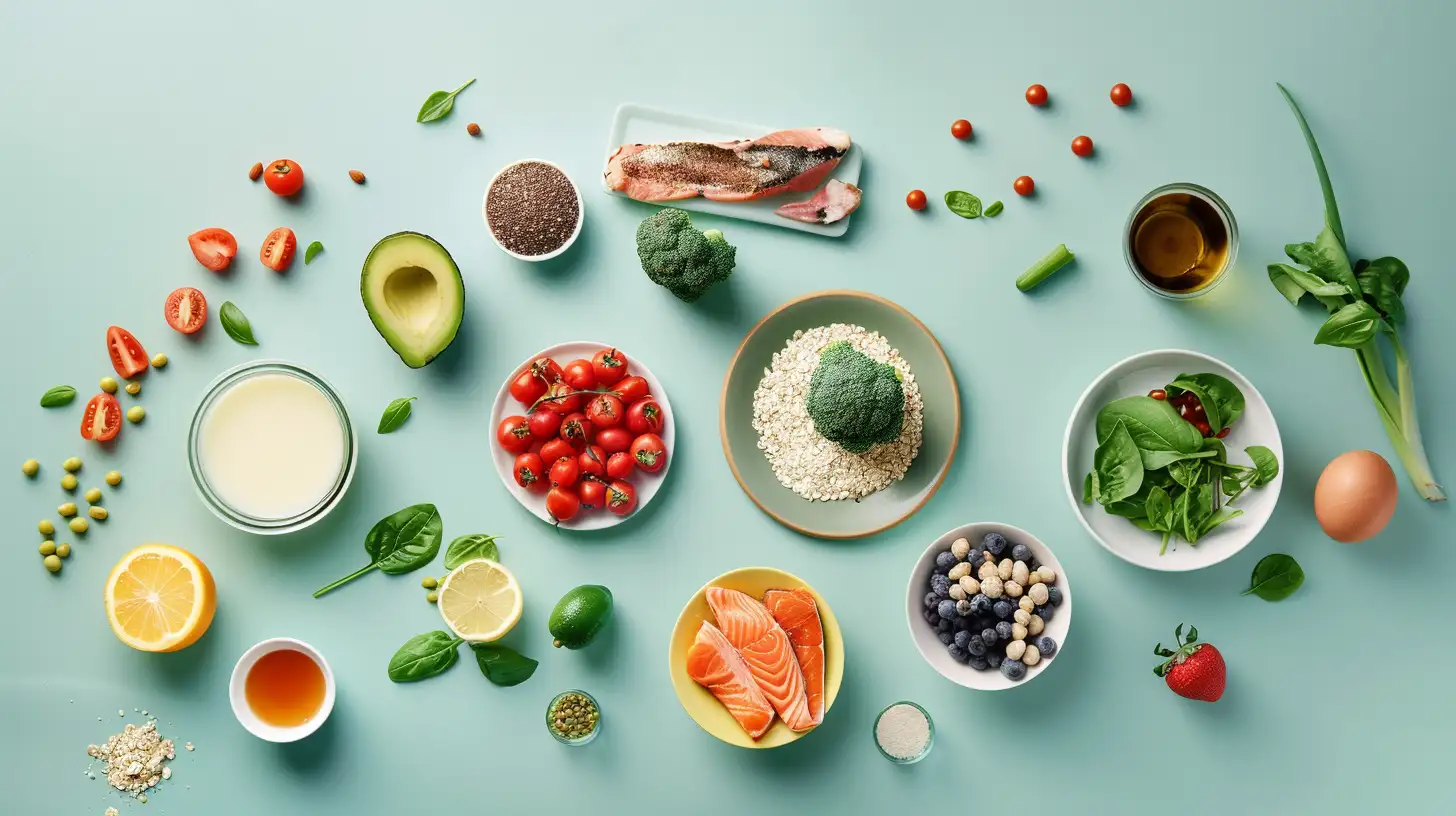
For individuals aiming to build muscle mass following a dairy eating plan should not hinder their progress. Incorporating plant based protein sources, into your diet can support muscle growth effectively without the need for dairy products. This dietary approach focuses on consuming foods that provide energy, for workouts and promote recovery ultimately facilitating muscle development.
Diet plan grocery list
Diet plan overview
For individuals looking to build muscle the dairy-free diet plan for muscle gain emphasizes the importance of increasing muscle mass without relying on dairy products. This plan underscores the significance of obtaining protein from sources such as legumes, tofu and quinoa which're crucial for muscle recovery and development. Additionally carbohydrates are incorporated to provide energy for your workouts and aid in recovery including choices, like potatoes and oatmeal.
It is crucial to monitor your calorie intake to ensure that you are consuming calories than you burn during activity. This dietary regimen supports your fitness objectives by incorporating foods that foster muscle growth and sustain stamina. Whether you are an athlete or just beginning your fitness journey this plan can be tailored to meet your nutritional requirements.
Foods to eat
- Lean Meats: Chicken breast, turkey, and lean beef are packed with protein for muscle repair.
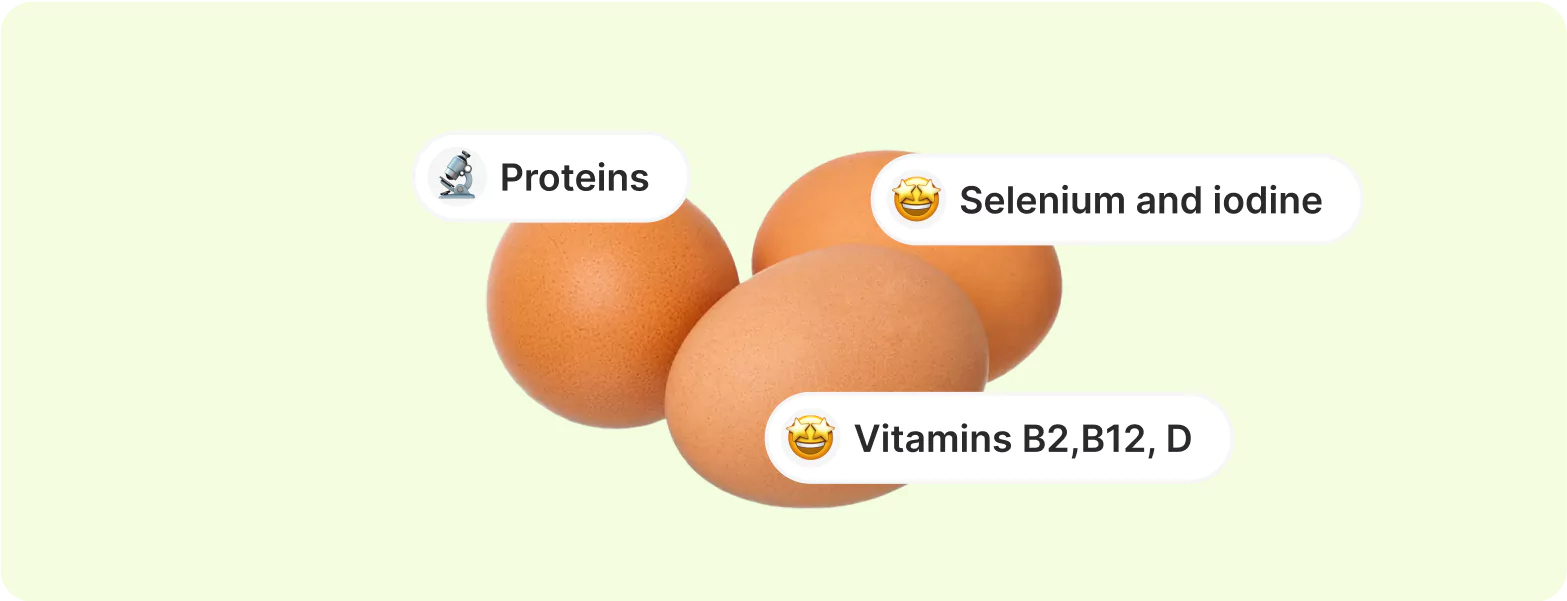
- Eggs: Provide a high-quality protein source for muscle growth.
- Legumes: Lentils, chickpeas, and black beans offer both protein and carbs.
- Whole Grains: Brown rice, quinoa, and oats give a sustained energy release.
- Protein-Rich Seeds: Pumpkin seeds and hemp seeds are great plant-based protein options.
Tip
Snack on pumpkin seeds for a boost of plant-based protein and muscle-building magnesium.
Foods not to eat
- Sugary Cereals: Low in protein and full of sugar, they provide little nutritional value.
- Fried Snacks: Chips and fries add unhealthy fats without quality protein.
- Processed Meats: Hot dogs and salami are often high in sodium and low in muscle-building protein.
- Bakery Goods: Croissants and donuts are high in sugar and low in protein.
- Alcohol: Can interfere with muscle recovery and impair protein synthesis.
Main benefits
The muscle building meal plan that excludes dairy isn't about removing dairy products; it involves nourishing your muscles with top notch substitutes. Plant based protein sources such as pea or hemp can work well as the usual whey, minus the drawbacks of dairy.
This dietary approach might also help decrease inflammation leading to healing and muscle development. Additionally some individuals notice a shift towards muscle mass when they eliminate dairy from their diet thanks to reduced fat intake.
How to budget on this diet plan
Switching to a dairy eating plan to build muscle doesn't have to strain your wallet. Focus on plant based sources of protein, like beans, lentils and chickpeas which offer a protein boost without the price tag of meat. Opt for tofu and tempeh as alternatives. Whip up your protein smoothies using oats, bananas and peanut butter of splurging on expensive supplements. Don't forget the money saving benefit of buying in bulk. Load up on nuts, seeds and grains to fuel your muscle growth without breaking the bank.
Meal plan suggestion
Day 1
- Breakfast: Scrambled eggs with spinach and mushrooms, topped with avocado
- Lunch: Grilled chicken breast with quinoa, kale, and roasted bell peppers
- Dinner: Baked salmon fillet with sweet potatoes, steamed broccoli, and garlic
- Snack: Apple slices with peanut butter and walnuts
Day 2
- Breakfast: Coconut yogurt with chia seeds, blueberries, and cashews
- Lunch: Turkey breast stir-fry with brown rice, carrots, zucchini, and red onions
- Dinner: Ground beef stuffed bell peppers with tomatoes and kale
- Snack: Banana and almond milk smoothie with almond butter
Day 3
- Breakfast: Tofu scramble with red onions, kale, and bell peppers
- Lunch: Grilled salmon fillet with quinoa, spinach, and roasted garlic
- Dinner: Grilled turkey breast with sweet potatoes, steamed broccoli, and zucchini
- Snack: Strawberries and walnuts
Day 4
- Breakfast: Almond milk chia pudding with bananas and blueberries
- Lunch: Chicken breast salad with avocado, kale, and olive oil dressing
- Dinner: Tofu stir-fry with brown rice, mushrooms, carrots, and garlic
- Snack: Apple slices with cashews
Day 5
- Breakfast: Scrambled eggs with spinach and bell peppers, topped with avocado
- Lunch: Ground beef and quinoa bowl with kale, tomatoes, and garlic
- Dinner: Baked salmon fillet with sweet potatoes, steamed broccoli, and zucchini
- Snack: Banana with peanut butter and almonds
Day 6
- Breakfast: Coconut yogurt with chia seeds, strawberries, and walnuts
- Lunch: Grilled turkey breast with brown rice, spinach, and roasted carrots
- Dinner: Grilled chicken breast with quinoa, kale, and roasted bell peppers
- Snack: Apple slices with almond butter
Day 7
- Breakfast: Tofu scramble with red onions, kale, and bell peppers
- Lunch: Salmon salad with avocado, spinach, and olive oil dressing
- Dinner: Ground beef stir-fry with sweet potatoes, mushrooms, and broccoli
- Snack: Banana and almond milk smoothie with peanut butter
Want to learn more?
Keep in mind
Other diet plans
-

Carnivore diet plan for diabetics
This diet plan on the carnivore diet for diabetic individuals is quite low on carbs while approximating almost 100 percent in protein and fats. This helps to control blood sugar levels. Avoiding sugars and most of carbs can make it possible to have diabetes well under control. It is a radical but straightforward dietary intervention which should be done with supervision and guidance from health practitioners.
-

Carnivore diet plan for healthy eating
Healthy eating in the carnivore diet plan comprises a range of nutrient-dense sourced meats, such as organs and bone broths, which contain critical vitamins and minerals. It aims to eliminate inflammatory reactions, which are characteristic of some lifestyle diseases, and cut back the diet to essential nutrients. It may seem limiting, however, it facilitates looking deeper into the quality of every piece of meat cuisine.
-

Carnivore diet plan for beginners
The following carnivore beginner’s plan is especially intended for those who are new to the carnivore way of life. It begins by eating only meat instead of animal-based foods. Just after a few weeks or so, start introducing other types of food, such as fish, poultry, and organ meat. No complicated steps involved - learn the basics of meat preparation and accommodate a new food pattern.