
Dairy-free meal plan for insulin resistance
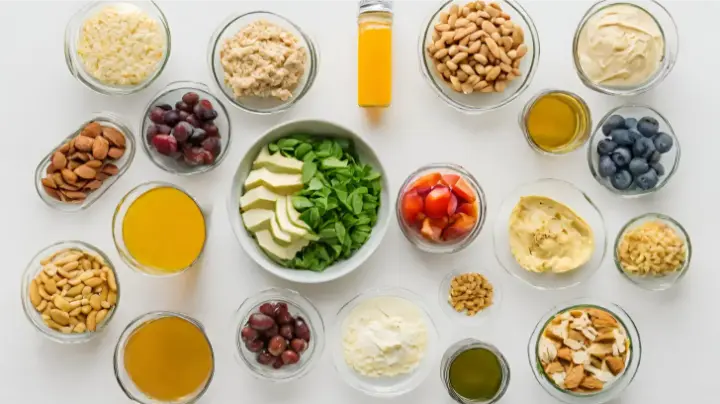
Manage insulin resistance effectively with the Dairy-Free Meal Plan for Insulin Resistance. This plan features meals like quinoa bowls with leafy greens, nut butter smoothies, and vegetable stir-fries, all designed to support blood sugar regulation without dairy.
Meal plan grocery list
 Dry goods
 Snacks & sweets
 Cans & jars
 Beverages
 Spices & sauces
 Fish & seafood
 Fresh grocery
 Bakery
 Plant based
Meal plan overview
The Dairy-Free Meal Plan for Insulin Resistance focuses on managing blood sugar levels through dairy-free, low-glycemic foods. It includes meals rich in fiber, lean proteins, and healthy fats, all designed to help stabilize insulin and glucose levels.
This plan combines dietary control with delicious, dairy-free alternatives, ensuring a healthful approach to managing insulin resistance.
Foods to eat
- Low-GI Vegetables: Such as leafy greens, broccoli, and cauliflower to help manage blood sugar levels.
- Lean Proteins: Grilled chicken, fish, tofu, and tempeh, which do not impact blood sugar significantly.
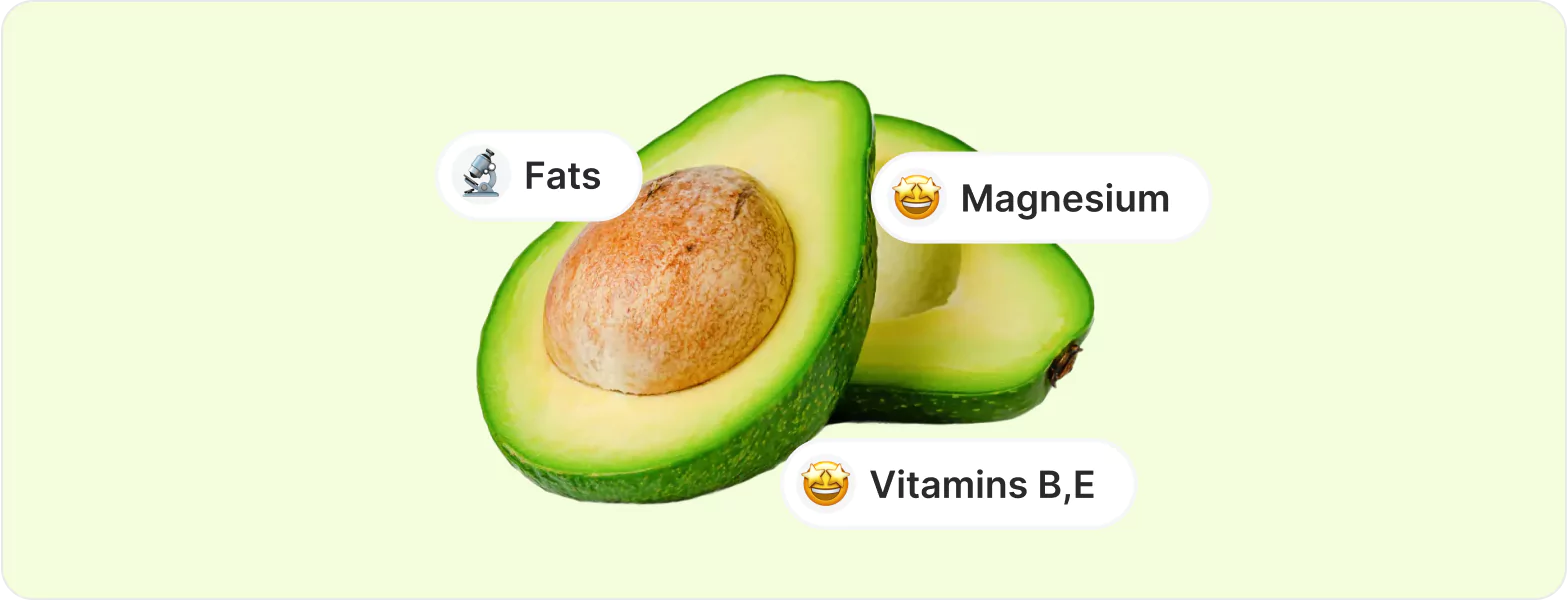
- Healthy Fats: Avocado, nuts, seeds, and olive oil for heart health and satiety.
- Fiber-Rich Fruits: Berries, apples, and pears in moderation.
- Whole Grains: Quinoa, brown rice, and gluten-free oats for steady energy release.
- Legumes: Beans and lentils, which are high in fiber and protein.
Tip
Choose whole grains like oats, quinoa, and brown rice over refined grains to help regulate blood sugar levels and improve insulin sensitivity.
Foods not to eat
- High-Sugar Foods: Cakes, cookies, and candies which can spike blood sugar levels.
- Refined Carbs: White bread, pasta, and other processed grains.
- Dairy Products: Milk, cheese, and other dairy-based items.
- Fried and Processed Foods: Often high in unhealthy fats and calories.
- Sweetened Beverages: Soda and fruit juices, which are high in sugar.
Read more about key products


Main benefits
The Dairy-Free Meal Plan for Insulin Resistance is designed to help manage blood sugar levels. It comprises low-glycemic foods, high in fiber and healthy fats, and excludes dairy products to support insulin sensitivity and metabolic health.
Recommended nutrient breakdown
- Protein: 25%
- Fat: 25%
- Carbs: 45%
- Fiber: 3%
- Other: 2%
How to budget on this meal plan
Stock up on staples like tofu, lentils, and quinoa, which are versatile and can be bought in bulk. Look for sales on salmon and chicken, and consider freezing extra portions. Brown rice and mixed vegetables are more economical when purchased in larger quantities. Utilize ingredients like chickpeas and black beans in multiple dishes throughout the week to maximize their use.
Packed with vitamins, minerals, and antioxidants:


Extra tips
Any healthy snack ideas?
These dairy-free snacks are great for managing insulin resistance:
- Nut butter on celery sticks
- Mixed nuts (almonds, walnuts, pistachios)
- Whole grain crackers with avocado
- Berries with a scoop of pumpkin seeds
- Rolled turkey slices with cucumber
- Boiled egg (if non-vegan)
- Raw veggies with hummus
What should I drink on this meal plan?
For managing insulin resistance on a dairy-free diet, drinks that help regulate blood sugar are important. Cinnamon tea can aid in blood sugar control, unsweetened almond milk is a low-carb alternative, green tea helps with metabolism, water is essential for overall health, and vegetable juice without added sugars provides nutrients without spiking glucose.
How to get even more nutrients?
Managing insulin resistance without dairy involves focusing on low-glycemic foods. High-fiber options like lentils and beans slow the release of glucose into your bloodstream, helping to manage blood sugar levels. Include healthy fats from avocados and olive oil, which can help improve insulin sensitivity. Steer clear of sugary snacks and opt for whole, unprocessed foods for better overall health outcomes.
Meal plan suggestion
Day 1
- Breakfast: Scrambled tofu with spinach, mushrooms, and a side of avocado (calories: 300, protein: 15g, carbs: 15g, fat: 20g)
- Lunch: Lentil salad with cherry tomatoes, cucumber, and a lemon-olive oil dressing (calories: 400, protein: 18g, carbs: 40g, fat: 15g)
- Snack: Carrot and celery sticks with almond butter (calories: 150, protein: 4g, carbs: 15g, fat: 10g)
- Dinner: Grilled salmon with steamed broccoli and quinoa (calories: 500, protein: 35g, carbs: 30g, fat: 25g)
Day 2
- Breakfast: Oatmeal with almond milk, topped with chia seeds and berries (calories: 300, protein: 8g, carbs: 45g, fat: 10g)
- Lunch: Quinoa and black bean stuffed bell peppers (calories: 350, protein: 12g, carbs: 55g, fat: 10g)
- Snack: A small apple and a handful of walnuts (calories: 200, protein: 4g, carbs: 25g, fat: 12g)
- Dinner: Stir-fried tofu with mixed vegetables and brown rice (calories: 450, protein: 18g, carbs: 50g, fat: 15g)
Day 3
- Breakfast: Green smoothie with spinach, almond milk, flaxseeds, and a small banana (calories: 250, protein: 5g, carbs: 35g, fat: 8g)
- Lunch: Chickpea and avocado salad with mixed greens and a balsamic vinaigrette (calories: 400, protein: 15g, carbs: 40g, fat: 20g)
- Snack: Sliced cucumber and bell peppers with hummus (calories: 150, protein: 5g, carbs: 20g, fat: 6g)
- Dinner: Baked cod with a side of steamed asparagus and a sweet potato (calories: 400, protein: 30g, carbs: 40g, fat: 10g)
Day 4
- Breakfast: Chia seed pudding made with coconut milk and topped with sliced kiwi (calories: 350, protein: 6g, carbs: 30g, fat: 20g)
- Lunch: Vegan sushi rolls with cauliflower rice, cucumber, avocado, and carrots (calories: 300, protein: 8g, carbs: 45g, fat: 10g)
- Snack: A pear and a handful of almonds (calories: 200, protein: 4g, carbs: 30g, fat: 10g)
- Dinner: Grilled vegetable skewers with a quinoa salad (calories: 400, protein: 12g, carbs: 60g, fat: 15g)
Day 5
- Breakfast: Gluten-free toast with avocado and a side of fortified orange juice (calories: 350, protein: 6g, carbs: 40g, fat: 18g)
- Lunch: Lentil soup with a side of steamed kale (calories: 350, protein: 18g, carbs: 40g, fat: 10g)
- Snack: Rice cakes with peanut butter (calories: 200, protein: 5g, carbs: 25g, fat: 10g)
- Dinner: Baked eggplant with tomato sauce and a side salad (calories: 400, protein: 10g, carbs: 45g, fat: 20g)
Day 6
- Breakfast: Berry and spinach smoothie with almond milk and protein powder (calories: 280, protein: 20g, carbs: 30g, fat: 8g)
- Lunch: Salad with mixed greens, roasted chickpeas, and a lemon-tahini dressing (calories: 400, protein: 15g, carbs: 40g, fat: 20g)
- Snack: A small banana and a handful of sunflower seeds (calories: 200, protein: 5g, carbs: 30g, fat: 10g)
- Dinner: Veggie stir-fry with tempeh and cauliflower rice (calories: 450, protein: 25g, carbs: 40g, fat: 20g)
Day 7
- Breakfast: Overnight oats with almond milk, protein powder, and blueberries (calories: 300, protein: 20g, carbs: 40g, fat: 8g)
- Lunch: Vegan wrap with hummus, grated carrots, cucumber, and sprouts (calories: 350, protein: 12g, carbs: 50g, fat: 15g)
- Snack: Fresh fruit salad (calories: 150, protein: 2g, carbs: 35g, fat: 1g)
- Dinner: Moroccan spiced chickpea stew with a side of whole grain couscous (calories: 400, protein: 15g, carbs: 60g, fat: 10g)
Want to learn more?
Keep in mind
Other meal plans
-

7-day Meal Plan For Mediterranean Diet
Embarking on a Mediterranean journey? You're in for a treat! Discover the secrets of a 7-day Mediterranean diet meal plan and how it can invigorate your health. This article will guide you through a flavorful world of nutritious foods and show you how to turn these meals into an efficient shopping list. Let's set sail!
-

7-day Meal Plan For Weight Loss
Ready to kickstart your weight loss journey? A 7-day meal plan tailored for weight loss could be your golden ticket. In this article, we'll explore how to craft a weight loss meal plan that's both delicious and effective for shedding pounds, plus tips on transforming it into a smart shopping list. Time to get excited about your health goals!
-

7-day Meal Plan For Diabetics
Managing diabetes with diet doesn't have to be daunting. Learn how a 7-day meal plan can help control your blood sugar and improve overall health. We'll guide you through creating diabetic-friendly meals and turning them into a simple shopping list. Let's make healthy eating a breeze!