
Dash diet plan for acid reflux
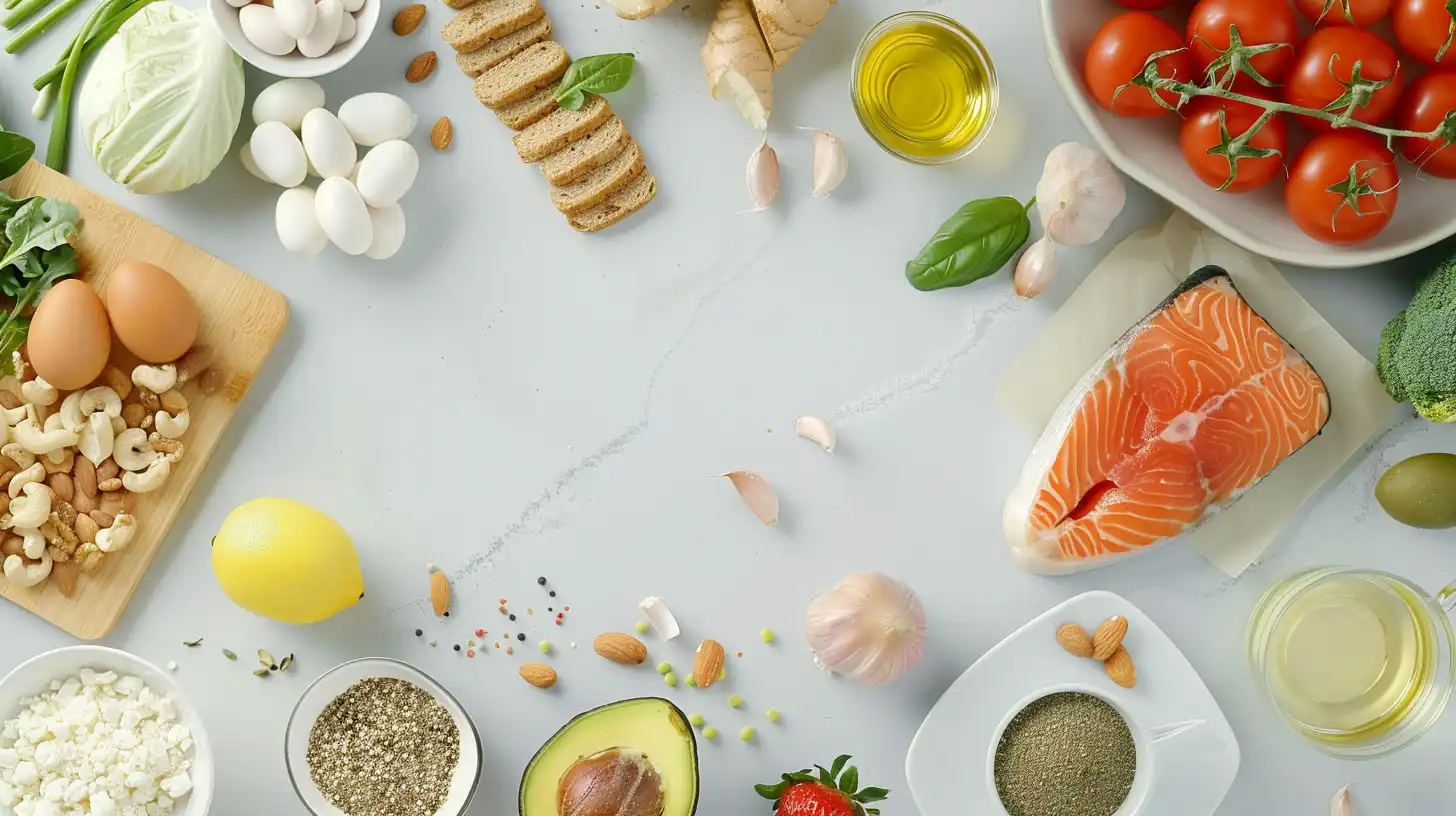
When dealing with acid reflux, the DASH diet offers a soothing remedy with its emphasis on low-acid foods like vegetables and non-citrus fruits. It's designed to prevent spikes in stomach acid, promoting a diet that helps keep your digestive system running smoothly.
Diet plan grocery list
Diet plan overview
The Dash diet plan for acid reflux is designed to help reduce episodes of heartburn and discomfort. By focusing on low-acid foods and avoiding common triggers like citrus, spicy foods, and high-fat meals, this plan promotes a more alkaline environment in the stomach.
This diet also includes eating smaller, more frequent meals and incorporating plenty of fiber to aid digestion and reduce pressure on the stomach. It’s a practical way to manage symptoms and improve digestive health.
Foods to eat
- Alkaline Foods: Bananas, melons, and cauliflower to neutralize stomach acid.
- High-Fiber Foods: Whole grains, root vegetables, and green vegetables to improve digestion and reduce pressure.
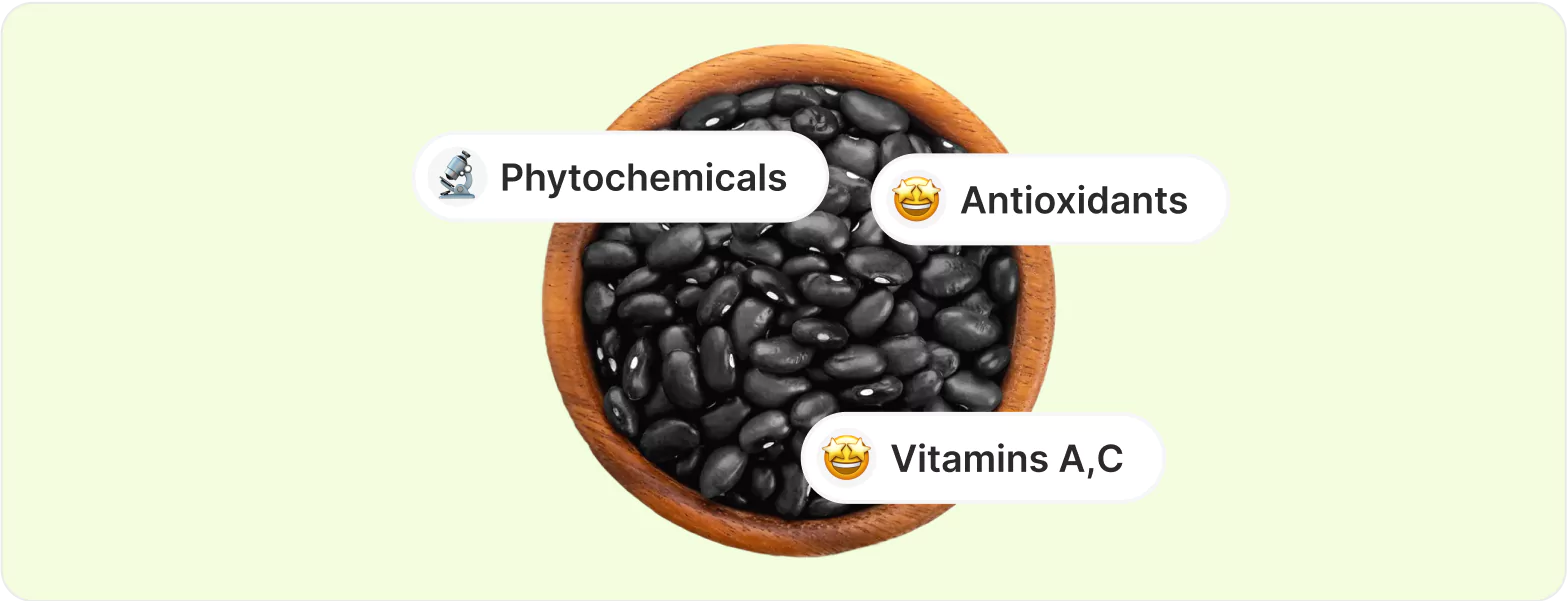
- Lean Proteins: Skinless poultry, fish, and plant proteins like lentils and chickpeas to maintain muscle without causing reflux.
- Watery Foods: Cucumbers, celery, and herbal teas to help dilute stomach acid and improve digestion.
- Low-Fat Dairy: Hard cheeses, yogurt, and kefir which can help buffer stomach acid.
Tip
Opt for smaller, more frequent meals rich in fiber and low in fat to help manage acid reflux symptoms while following the DASH guidelines.
Foods not to eat
- Acidic Foods: Tomatoes, citrus fruits, and vinegar which can trigger acid reflux symptoms.
- Fatty Foods: High-fat cuts of meat, creamy sauces, and oily foods that can slow digestion and relax the lower esophageal sphincter.
- Spicy Foods: Hot peppers, garlic, and spicy seasonings that can irritate the esophagus.
- Caffeine and Alcohol: Coffee, tea, chocolate, and alcoholic beverages that can exacerbate reflux symptoms.
- Mint: Peppermint and spearmint can relax the lower esophageal sphincter and increase the risk of acid reflux.
Main benefits
The dash diet plan for acid reflux helps minimize symptoms by avoiding foods that trigger heartburn, like fatty and spicy meals. It includes alkaline foods that can neutralize stomach acid, promoting digestive health. The high fiber content also aids in smoother digestion, reducing the chances of acid reflux episodes.
How to budget on this diet plan
Individuals with acid reflux can manage their DASH diet expenses by avoiding trigger foods that are often more expensive, like chocolate or fatty meats. Opting for oatmeal, bananas, and ginger can be soothing and are generally affordable. Cooking larger meals and using leftovers for lunches or dinners can also help minimize waste and reduce meal costs.
Meal plan suggestion
Day 1
- Breakfast: Oatmeal with sliced bananas and a sprinkle of ground flaxseeds
- Lunch: Grilled turkey breast with quinoa and steamed green beans
- Dinner: Baked trout with a side of mashed potatoes and sautéed spinach
- Snack: Low-fat yogurt with diced peach
Day 2
- Breakfast: Smoothie with skim milk, apple, and aloe vera juice
- Lunch: Lean chicken breast with brown rice and steamed kale
- Dinner: Stir-fried tofu with celery, carrots, and a drizzle of olive oil
- Snack: A handful of almonds and a slice of whole wheat bread
Day 3
- Breakfast: Scrambled egg whites with spinach and diced tomatoes
- Lunch: Baked chicken with roasted carrots and quinoa
- Dinner: Poached trout with a side of sautéed fennel and green beans
- Snack: Herbal tea with a slice of pear
Day 4
- Breakfast: Whole wheat toast with mashed avocado and a sprinkle of parsley
- Lunch: Turkey salad with mixed greens (kale, spinach), cucumber, and a vinaigrette of olive oil and basil
- Dinner: Grilled chicken with steamed broccoli and brown rice
- Snack: Banana with a dollop of low-fat yogurt
Day 5
- Breakfast: Smoothie with almond milk, melon, and flaxseeds
- Lunch: Baked trout with mashed sweet potatoes and steamed spinach
- Dinner: Stir-fry with tofu, green beans, and bell peppers over quinoa
- Snack: Apple slices with a sprinkle of cinnamon
Day 6
- Breakfast: Oatmeal with chopped almonds and slices of banana
- Lunch: Grilled chicken breast with a side of cucumber salad and whole wheat bread
- Dinner: Baked turkey with steamed green beans and carrots
- Snack: Peach slices and skim milk
Day 7
- Breakfast: Ginger tea with whole wheat toast and avocado
- Lunch: Grilled trout with a salad of kale, apple, and a drizzle of olive oil
- Dinner: Lean chicken stir-fry with rice and a mix of bell peppers and onions
- Snack: Carrot sticks with low-fat yogurt dip
Want to learn more?
Keep in mind
Other diet plans
-

Carnivore diet plan for diabetics
This diet plan on the carnivore diet for diabetic individuals is quite low on carbs while approximating almost 100 percent in protein and fats. This helps to control blood sugar levels. Avoiding sugars and most of carbs can make it possible to have diabetes well under control. It is a radical but straightforward dietary intervention which should be done with supervision and guidance from health practitioners.
-

Carnivore diet plan for healthy eating
Healthy eating in the carnivore diet plan comprises a range of nutrient-dense sourced meats, such as organs and bone broths, which contain critical vitamins and minerals. It aims to eliminate inflammatory reactions, which are characteristic of some lifestyle diseases, and cut back the diet to essential nutrients. It may seem limiting, however, it facilitates looking deeper into the quality of every piece of meat cuisine.
-

Carnivore diet plan for beginners
The following carnivore beginner’s plan is especially intended for those who are new to the carnivore way of life. It begins by eating only meat instead of animal-based foods. Just after a few weeks or so, start introducing other types of food, such as fish, poultry, and organ meat. No complicated steps involved - learn the basics of meat preparation and accommodate a new food pattern.