
diet plan for beginners
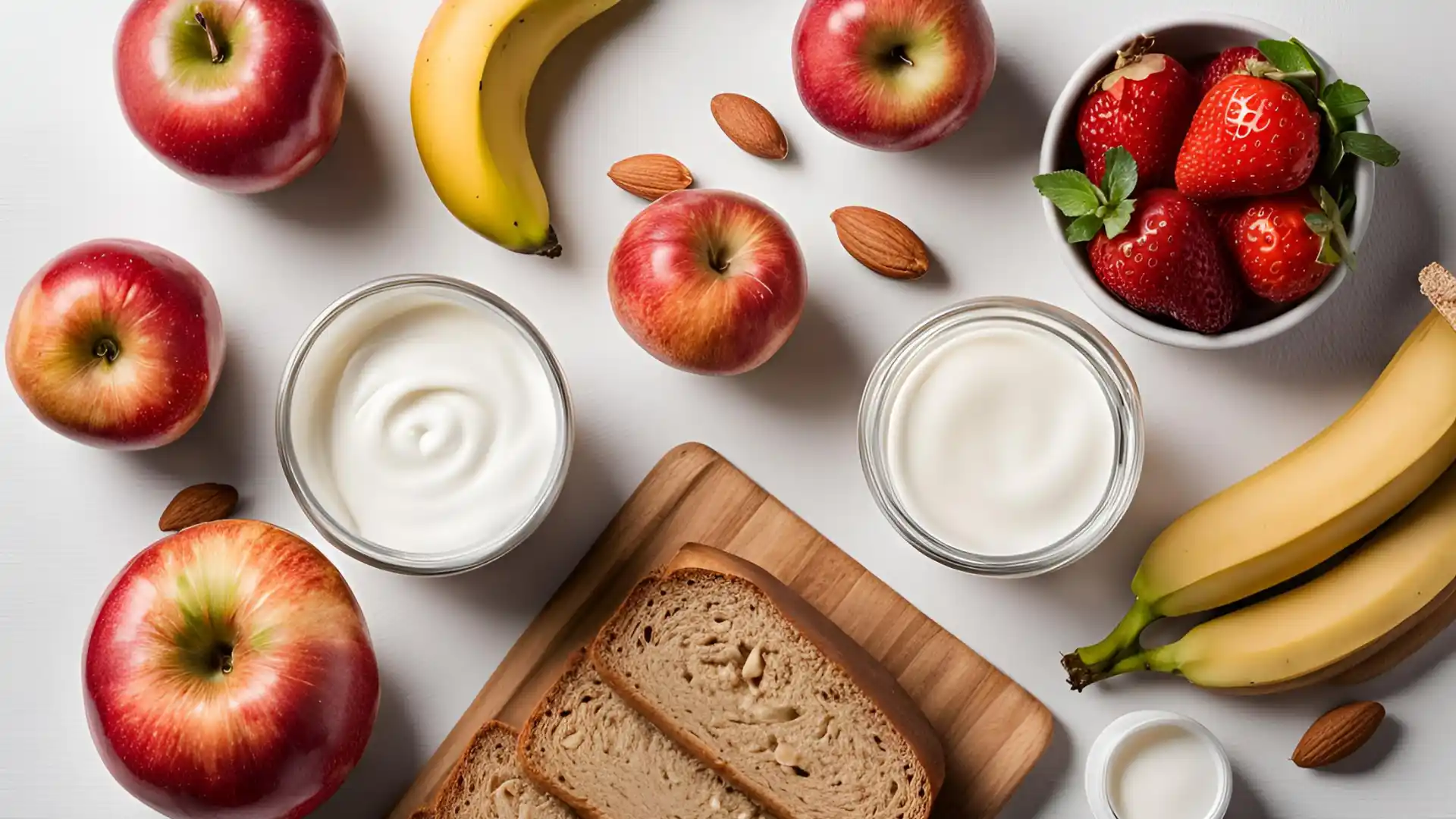
Starting a new diet can be intimidating, but it doesn’t have to be. A beginner's diet plan simplifies healthy eating with easy steps, making the journey to a better you totally doable. It’s all about finding what works for you and making small changes that fit your lifestyle.
Diet plan grocery list
Diet plan overview
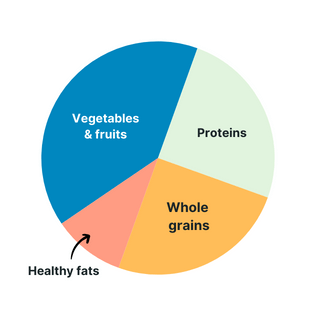
The diet plan for beginners is designed to ease you into healthier eating habits without overwhelming you. It focuses on simple, achievable steps to make eating well part of your daily routine. This plan helps you get started on the right path with straightforward advice and practical tips.
As you progress, you'll find it easier to make nutritious choices and build a sustainable eating pattern. It’s all about taking it one step at a time and finding what works best for you.
Foods to eat
- Whole Grains: Start with simple whole grains like oatmeal, brown rice, and whole wheat bread for steady energy.
- Lean Proteins: Incorporate easy options like chicken, eggs, and beans to meet your protein needs.
- Fruits: Enjoy a variety of fruits like bananas, apples, and berries that are easy to snack on and add to meals.
- Vegetables: Choose versatile veggies like carrots, spinach, and bell peppers to add to your dishes.
- Dairy or Alternatives: Include milk, yogurt, or plant-based alternatives for calcium and other nutrients.
Tip
Focus on one new healthy habit each week, like adding a vegetable to every meal or switching to whole grains, to make the changes feel manageable.
Foods not to eat
- Fried Foods: Avoid fried snacks and meals as they can be high in unhealthy fats and calories.
- Sugary Snacks: Limit candies, pastries, and other sugary treats that can disrupt your energy levels.
- Refined Grains: Steer clear of white bread and pasta, which lack the nutrients found in whole grains.
- Sodas and Sugary Drinks: Skip drinks loaded with sugar and empty calories in favor of water or herbal teas.
- Processed Meats: Avoid heavily processed meats like sausages and hot dogs that are high in sodium and preservatives.
Main benefits
The diet plan for beginners makes transitioning to healthy eating smooth by offering easy-to-follow steps that don’t overwhelm you. It builds a foundation of balanced nutrition, making it easier to avoid common pitfalls. This plan also helps in developing consistent, healthy habits that can lead to lasting changes in your diet.
How to budget on this diet plan
To save money on the diet plan for beginners, start by buying basic staples like rice and beans in bulk, which can be used in many different recipes. Opt for store brands over name brands and consider frozen fruits and vegetables, which are often cheaper and just as nutritious. Stick to a weekly meal plan to minimize food waste and make the most of leftovers for quick, budget-friendly meals.
Meal plan suggestion
Day 1
- Breakfast: Oats with strawberries and almonds
- Lunch: Grilled chicken breast with quinoa and spinach
- Dinner: Baked salmon with brown rice and broccoli
- Snack: Greek yogurt with blueberries
- Calories 🔥: 1,850 Fat 💧: 70g Carbs 🌾: 200g Protein 🥩: 120g
Day 2
- Breakfast: Greek yogurt with bananas and almonds
- Lunch: Ground turkey with brown rice and bell peppers
- Dinner: Baked chicken breast with sweet potatoes and green beans
- Snack: Apple slices with cheddar cheese
- Calories 🔥: 1,800 Fat 💧: 65g Carbs 🌾: 190g Protein 🥩: 125g
Day 3
- Breakfast: Whole wheat toast with avocado and eggs
- Lunch: Lentil salad with tomatoes, cucumber, and spinach
- Dinner: Grilled salmon with quinoa and zucchini
- Snack: Carrot sticks with hummus
- Calories 🔥: 1,850 Fat 💧: 60g Carbs 🌾: 210g Protein 🥩: 115g
Day 4
- Breakfast: Smoothie with low-fat milk, banana, and blueberries
- Lunch: Turkey breast wrap with whole wheat bread and bell peppers
- Dinner: Baked tofu with brown rice and broccoli
- Snack: Greek yogurt with strawberries
- Calories 🔥: 1,850 Fat 💧: 70g Carbs 🌾: 195g Protein 🥩: 125g
Day 5
- Breakfast: Oatmeal with apples and walnuts
- Lunch: Chicken breast salad with spinach, avocado, and tomatoes
- Dinner: Ground turkey stir-fry with brown rice and green beans
- Snack: Cottage cheese with cucumber slices
- Calories 🔥: 1,850 Fat 💧: 65g Carbs 🌾: 200g Protein 🥩: 120g
Day 6
- Breakfast: Greek yogurt with strawberries and almonds
- Lunch: Lentil soup with carrots and spinach
- Dinner: Baked salmon with quinoa and zucchini
- Snack: Apple slices with cheddar cheese
- Calories 🔥: 1,800 Fat 💧: 60g Carbs 🌾: 190g Protein 🥩: 125g
Day 7
- Breakfast: Smoothie with low-fat milk, banana, and spinach
- Lunch: Chicken breast sandwich with whole wheat bread and bell peppers
- Dinner: Grilled turkey breast with sweet potatoes and broccoli
- Snack: Greek yogurt with blueberries
- Calories 🔥: 1,850 Fat 💧: 70g Carbs 🌾: 200g Protein 🥩: 120g
These nutritional values are approximate and can vary slightly based on specific portion sizes and preparation methods.
Want to learn more?
Keep in mind
Other diet plans
-

Carnivore diet plan for diabetics
This diet plan on the carnivore diet for diabetic individuals is quite low on carbs while approximating almost 100 percent in protein and fats. This helps to control blood sugar levels. Avoiding sugars and most of carbs can make it possible to have diabetes well under control. It is a radical but straightforward dietary intervention which should be done with supervision and guidance from health practitioners.
-

Carnivore diet plan for healthy eating
Healthy eating in the carnivore diet plan comprises a range of nutrient-dense sourced meats, such as organs and bone broths, which contain critical vitamins and minerals. It aims to eliminate inflammatory reactions, which are characteristic of some lifestyle diseases, and cut back the diet to essential nutrients. It may seem limiting, however, it facilitates looking deeper into the quality of every piece of meat cuisine.
-

Carnivore diet plan for beginners
The following carnivore beginner’s plan is especially intended for those who are new to the carnivore way of life. It begins by eating only meat instead of animal-based foods. Just after a few weeks or so, start introducing other types of food, such as fish, poultry, and organ meat. No complicated steps involved - learn the basics of meat preparation and accommodate a new food pattern.