
diet plan for elderly
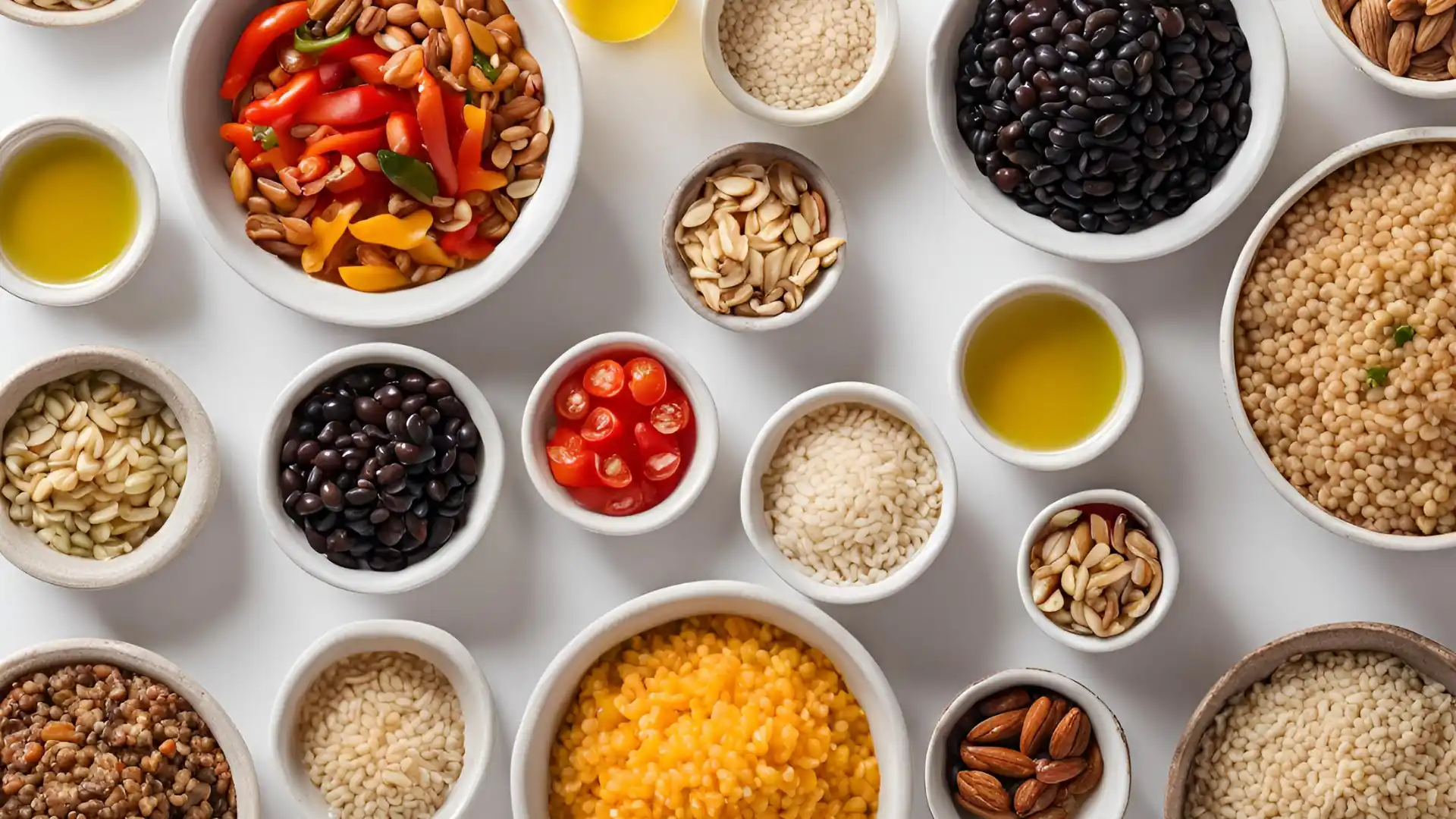
As we age, our nutritional needs change, and a diet plan for the elderly focuses on easy-to-digest, nutrient-rich foods. It's designed to boost energy, support bone health, and promote overall well-being. The goal is to make eating enjoyable and beneficial at any age.
Diet plan grocery list
Diet plan overview
A diet plan for elderly addresses the changing nutritional needs as we age. It includes easy-to-digest, nutrient-rich foods that support bone health, energy levels, and overall well-being. This plan helps maintain health and vitality while making eating a pleasurable part of the day.
By focusing on wholesome and varied meals, you can enjoy a diet that caters to your needs. It's about nourishing your body in a way that supports an active and fulfilling lifestyle at any age.

Foods to eat
- Soft Proteins: Choose tender proteins like fish, eggs, and tofu that are easier to chew and digest.
- Cooked Vegetables: Include steamed or sautéed vegetables like carrots, spinach, and green beans for better digestion.
- Whole Grains: Use oatmeal, brown rice, and whole grain bread to support digestive health.
- Fruits: Enjoy fruits like bananas, applesauce, and berries for their vitamins and fiber.
- Low-Fat Dairy: Incorporate milk, yogurt, and cheese for calcium and protein, choosing low-fat options if necessary.
Tip
Use pre-cut or frozen vegetables to make cooking easier and quicker without sacrificing nutritional value.
Foods not to eat
- Hard-to-Chew Foods: Avoid tough meats and hard vegetables that might be difficult to chew and swallow.
- High-Sodium Foods: Limit processed foods and canned soups that can be high in sodium.
- Sugary Snacks: Reduce intake of sweets and desserts that can impact blood sugar levels.
- Fatty Foods: Skip heavy, fried foods that can be hard to digest and provide little nutritional value.
- Caffeinated Drinks: Minimize coffee and caffeinated teas that might affect sleep and hydration.
Main benefits
The diet plan for the elderly supports bone health and muscle maintenance with nutrient-rich foods. It focuses on easy-to-digest options that cater to changing dietary needs. This plan also enhances energy levels and overall well-being by including foods that support digestive health and hydration.
How to budget on this diet plan
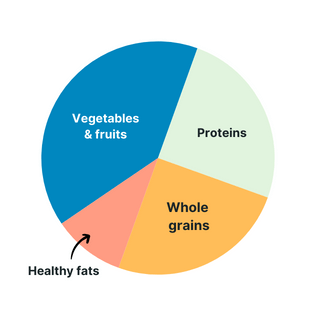
On the diet plan for elderly, budget by choosing easily prepared and nutrient-rich foods that are often less expensive. Consider using frozen or canned vegetables and fruits, which can be more affordable than fresh and just as nutritious. Look for discounts or senior specials at grocery stores, and prepare simple meals that reduce the need for costly ingredients.
Meal plan suggestion
Day 1
- Breakfast: Oatmeal with blueberries and walnuts
- Lunch: Grilled chicken breasts with quinoa and spinach
- Dinner: Baked salmon with sweet potatoes and broccoli
- Snack: Greek yogurt with strawberries
- Calories 🔥: 1,800 Fat 💧: 60g Carbs 🌾: 200g Protein 🥩: 120g
Day 2
- Breakfast: Smoothie with milk, banana, and spinach
- Lunch: Lean ground beef with brown rice and bell peppers
- Dinner: Baked chicken breasts with sweet potatoes and green beans
- Snack: Cottage cheese with apple slices
- Calories 🔥: 1,850 Fat 💧: 65g Carbs 🌾: 190g Protein 🥩: 125g
Day 3
- Breakfast: Whole wheat toast with avocado and eggs
- Lunch: Lentil salad with tomatoes and cucumbers
- Dinner: Grilled salmon with quinoa and zucchini
- Snack: Carrot sticks with hummus
- Calories 🔥: 1,800 Fat 💧: 60g Carbs 🌾: 210g Protein 🥩: 115g
Day 4
- Breakfast: Greek yogurt with blueberries and almonds
- Lunch: Grilled chicken breasts with quinoa and spinach
- Dinner: Baked salmon with sweet potatoes and cauliflower
- Snack: Apple slices with walnuts
- Calories 🔥: 1,850 Fat 💧: 65g Carbs 🌾: 195g Protein 🥩: 120g
Day 5
- Breakfast: Smoothie with milk, banana, and spinach
- Lunch: Lean ground beef with brown rice and bell peppers
- Dinner: Baked chicken breasts with sweet potatoes and green beans
- Snack: Cottage cheese with apple slices
- Calories 🔥: 1,850 Fat 💧: 65g Carbs 🌾: 190g Protein 🥩: 125g
Day 6
- Breakfast: Oatmeal with blueberries and walnuts
- Lunch: Lentil soup with tomatoes and carrots
- Dinner: Grilled salmon with quinoa and broccoli
- Snack: Carrot sticks with hummus
- Calories 🔥: 1,800 Fat 💧: 60g Carbs 🌾: 210g Protein 🥩: 115g
Day 7
- Breakfast: Greek yogurt with blueberries and almonds
- Lunch: Grilled chicken breasts with quinoa and spinach
- Dinner: Baked salmon with sweet potatoes and cauliflower
- Snack: Apple slices with walnuts
- Calories 🔥: 1,850 Fat 💧: 65g Carbs 🌾: 195g Protein 🥩: 120g
These nutritional values are approximate and can vary slightly based on specific portion sizes and preparation methods.
Want to learn more?
Keep in mind
Other diet plans
-

Carnivore diet plan for diabetics
This diet plan on the carnivore diet for diabetic individuals is quite low on carbs while approximating almost 100 percent in protein and fats. This helps to control blood sugar levels. Avoiding sugars and most of carbs can make it possible to have diabetes well under control. It is a radical but straightforward dietary intervention which should be done with supervision and guidance from health practitioners.
-

Carnivore diet plan for healthy eating
Healthy eating in the carnivore diet plan comprises a range of nutrient-dense sourced meats, such as organs and bone broths, which contain critical vitamins and minerals. It aims to eliminate inflammatory reactions, which are characteristic of some lifestyle diseases, and cut back the diet to essential nutrients. It may seem limiting, however, it facilitates looking deeper into the quality of every piece of meat cuisine.
-

Carnivore diet plan for beginners
The following carnivore beginner’s plan is especially intended for those who are new to the carnivore way of life. It begins by eating only meat instead of animal-based foods. Just after a few weeks or so, start introducing other types of food, such as fish, poultry, and organ meat. No complicated steps involved - learn the basics of meat preparation and accommodate a new food pattern.