
diet plan for elimination diet
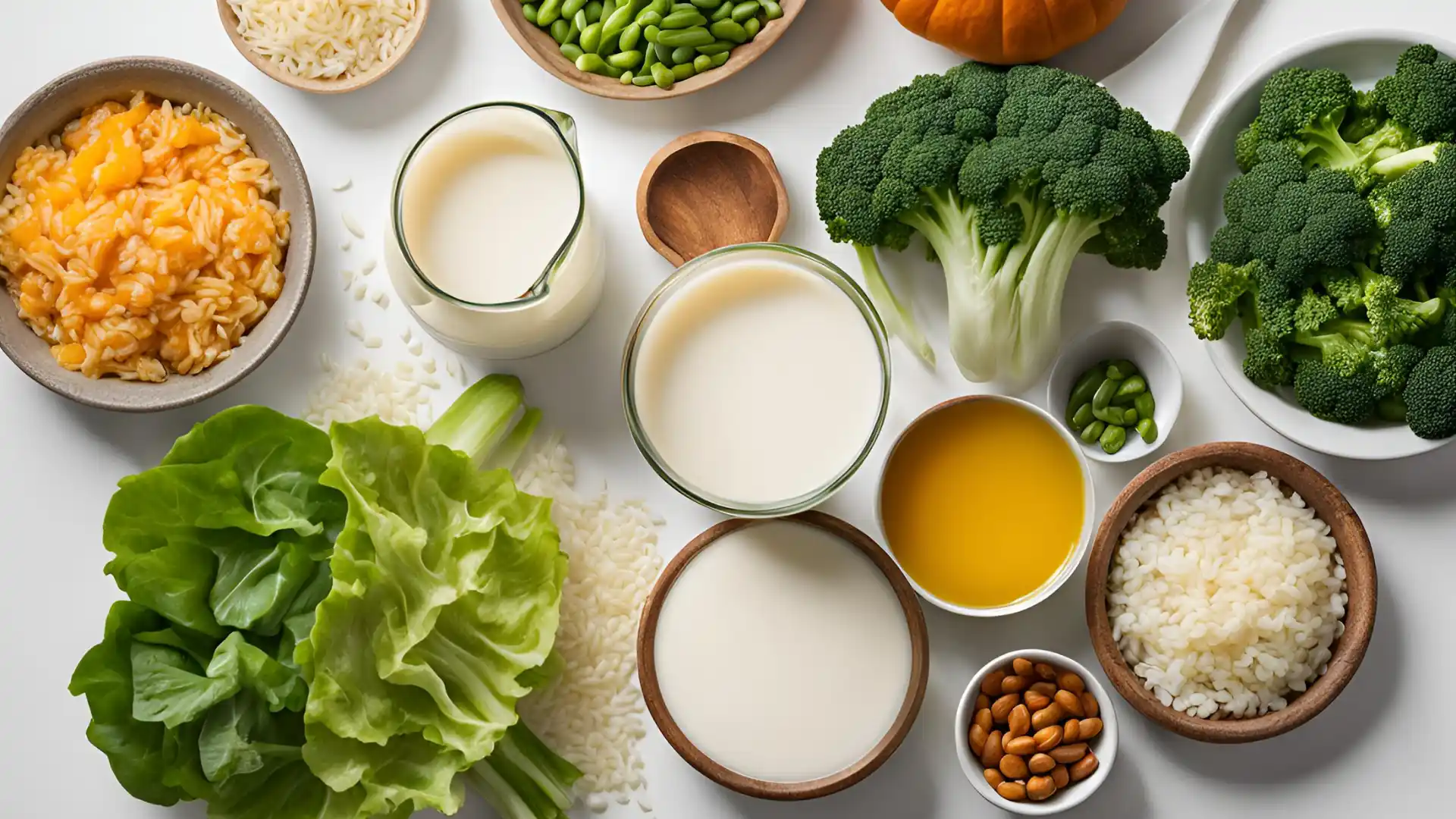
If certain foods make you feel off, an elimination diet plan can help pinpoint the culprits. By cutting out and then slowly reintroducing foods, you'll discover what works best for your body. It's a practical way to find out how to feel your best every day.
Diet plan grocery list
Diet plan overview
The diet plan for elimination diet helps identify food sensitivities by removing and gradually reintroducing certain foods. It's a practical approach to discovering which foods work best for your body. This plan involves a systematic method to pinpoint and avoid foods that may cause discomfort or allergies.
By following this plan, you can tailor your diet to your specific needs and improve your overall well-being. It’s a methodical way to understand your body’s responses to different foods.
Foods to eat
- Plain Proteins: Stick to basic proteins like chicken, turkey, and fish, which are usually well-tolerated.
- Simple Vegetables: Start with non-starchy veggies like zucchini, spinach, and carrots to monitor reactions.
- Whole Grains: Try safe options like quinoa and brown rice for a base to your meals.
- Fruits: Begin with fruits like apples and pears that are less likely to cause allergies.
- Filtered Water: Drink plain water or herbal teas to keep hydrated without potential allergens.
Tip
Keep a detailed food diary to track how your body responds to reintroduced foods and identify any triggers.
Foods not to eat
- Processed Foods: Avoid processed and packaged foods that may contain hidden allergens.
- Dairy Products: Skip milk, cheese, and other dairy items that can be common allergens.
- Gluten-Containing Grains: Stay away from wheat, barley, and rye if you’re testing for gluten sensitivity.
- Added Sugars: Limit foods with added sugars, which can complicate the elimination process.
- Soy Products: Avoid soy and soy-based foods if you suspect a sensitivity to soy.
Main benefits
The diet plan for elimination diet helps identify specific food sensitivities, making it easier to tailor your diet to your body’s needs. It can reduce chronic discomfort by pinpointing and eliminating problematic foods. This plan also allows you to reintroduce foods systematically, helping you understand your body’s unique responses.

How to budget on this diet plan
For the diet plan for elimination diet, save money by preparing simple meals with a few basic ingredients to avoid costly processed foods. Buy in bulk and freeze portions of safe foods to use later. Opt for generic brands of allowed foods and consider meal prepping to reduce waste and make the most of your grocery budget.
Meal plan suggestion
Day 1
- Breakfast: Oats with blueberries and rice milk
- Lunch: Grilled chicken breast with quinoa and spinach
- Dinner: Baked salmon with sweet potatoes and broccoli
- Snack: Apple slices with sunflower seeds
- Calories 🔥: 1,800 Fat 💧: 65g Carbs 🌾: 200g Protein 🥩: 120g
Day 2
- Breakfast: Smoothie with almond milk, banana, and spinach
- Lunch: Turkey and zucchini stir-fry with brown rice
- Dinner: Grilled lamb with butternut squash and green beans
- Snack: Rice crackers with pear slices
- Calories 🔥: 1,850 Fat 💧: 70g Carbs 🌾: 190g Protein 🥩: 130g
Day 3
- Breakfast: Quinoa porridge with apple slices and coconut oil
- Lunch: Beef and spinach salad with lemon dressing
- Dinner: Baked chicken breast with pumpkin and broccoli
- Snack: Carrot sticks with parsley and basil dip
- Calories 🔥: 1,800 Fat 💧: 60g Carbs 🌾: 200g Protein 🥩: 125g
Day 4
- Breakfast: Oats with blueberries and rice milk
- Lunch: Grilled chicken breast with quinoa and spinach
- Dinner: Baked salmon with sweet potatoes and cauliflower
- Snack: Apple slices with hemp seeds
- Calories 🔥: 1,850 Fat 💧: 65g Carbs 🌾: 195g Protein 🥩: 120g
Day 5
- Breakfast: Smoothie with almond milk, banana, and spinach
- Lunch: Turkey and zucchini stir-fry with brown rice
- Dinner: Grilled lamb with butternut squash and green beans
- Snack: Rice crackers with pear slices
- Calories 🔥: 1,850 Fat 💧: 70g Carbs 🌾: 190g Protein 🥩: 130g
Day 6
- Breakfast: Quinoa porridge with apple slices and coconut oil
- Lunch: Beef and spinach salad with lemon dressing
- Dinner: Baked chicken breast with pumpkin and broccoli
- Snack: Carrot sticks with parsley and basil dip
- Calories 🔥: 1,800 Fat 💧: 60g Carbs 🌾: 200g Protein 🥩: 125g
Day 7
- Breakfast: Oats with blueberries and rice milk
- Lunch: Grilled chicken breast with quinoa and spinach
- Dinner: Baked salmon with sweet potatoes and broccoli
- Snack: Apple slices with sunflower seeds
- Calories 🔥: 1,800 Fat 💧: 65g Carbs 🌾: 200g Protein 🥩: 120g
These nutritional values are approximate and can vary slightly based on specific portion sizes and preparation methods.
Want to learn more?
Keep in mind
Other diet plans
-

Carnivore diet plan for diabetics
This diet plan on the carnivore diet for diabetic individuals is quite low on carbs while approximating almost 100 percent in protein and fats. This helps to control blood sugar levels. Avoiding sugars and most of carbs can make it possible to have diabetes well under control. It is a radical but straightforward dietary intervention which should be done with supervision and guidance from health practitioners.
-

Carnivore diet plan for healthy eating
Healthy eating in the carnivore diet plan comprises a range of nutrient-dense sourced meats, such as organs and bone broths, which contain critical vitamins and minerals. It aims to eliminate inflammatory reactions, which are characteristic of some lifestyle diseases, and cut back the diet to essential nutrients. It may seem limiting, however, it facilitates looking deeper into the quality of every piece of meat cuisine.
-

Carnivore diet plan for beginners
The following carnivore beginner’s plan is especially intended for those who are new to the carnivore way of life. It begins by eating only meat instead of animal-based foods. Just after a few weeks or so, start introducing other types of food, such as fish, poultry, and organ meat. No complicated steps involved - learn the basics of meat preparation and accommodate a new food pattern.