
Energy-boosting diet plan for anemia
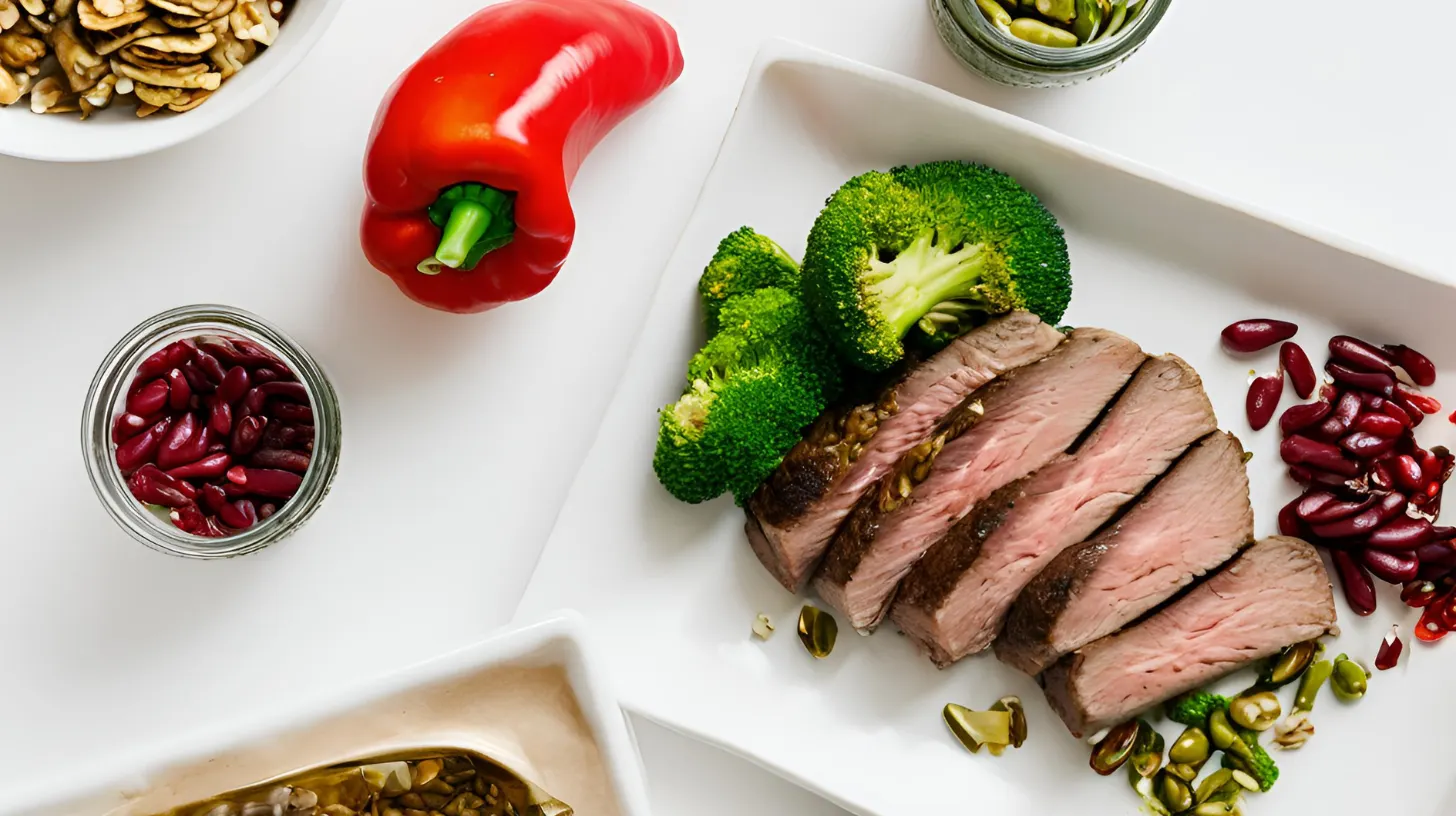
If you're dealing with anemia, an energy-boosting diet tailored to your needs can make a world of difference. This plan emphasizes iron-rich foods combined with vitamin C sources to enhance absorption, helping to increase your energy levels and improve overall health. Simple, nourishing meals will help you tackle the fatigue that often accompanies anemia.
Diet plan grocery list
Diet plan overview
For individuals dealing with anemia, an energy-boosting diet plan for anemia can help manage fatigue and improve overall vitality. This diet emphasizes iron-rich foods like spinach, red meat, and fortified cereals, along with vitamin C sources to enhance iron absorption. The idea is to replenish the body's iron stores naturally, supporting better oxygen transport and energy production.
Additionally, this diet plan recommends regular, small meals throughout the day to maintain energy levels and stabilize blood sugar. Complex carbohydrates, like whole grains, alongside lean proteins, play a crucial role in sustaining energy and preventing sudden drops in hemoglobin levels. It's a practical approach to managing anemia symptoms while boosting your energy.
Foods to eat
- Iron-rich Foods: Incorporate beef, chicken liver, and fortified cereals to help combat anemia.
- Vitamin C Sources: Oranges, strawberries, and bell peppers to aid iron absorption.
- Beans and Legumes: Lentils, chickpeas, and kidney beans are great for plant-based iron and protein.
- Eggs: A good source of iron and other essential nutrients that help improve hemoglobin levels.
- Dark Chocolate: A small piece can provide iron and improve mood without too much sugar.
Tip
Try snacking on dried apricots; they're rich in iron and help improve blood flow, boosting your energy and combating fatigue from anemia.
Foods not to eat
- Coffee and Tea During Meals: These can inhibit iron absorption, so it's best to consume them between meals.
- Calcium-rich Foods with Meals: Limit high-calcium foods like milk or cheese during iron-rich meals as calcium can hinder iron absorption.
- Gluten-heavy Grains: Avoid if sensitive, as they can interfere with nutrient absorption in some people with anemia.
- Uncooked Foods: Raw beans and lentils contain phytates that can inhibit iron absorption, so ensure they are well cooked.
- Alcohol: Reduces iron absorption and can lead to further depletion of vitamins and minerals.
Main benefits
The energy-boosting diet plan for anemia focuses on iron-rich foods like spinach and red meat, which are crucial for hemoglobin production and increased oxygen transport in the blood. It also includes vitamin C-rich options such as oranges and strawberries to aid in iron absorption. Not to forget, this plan is tailored to boost folate intake with lentils and asparagus, supporting red blood cell formation and offering a noticeable lift in energy levels.
How to budget on this diet plan
If you're tackling anemia with an energy-boosting diet, focus on iron-rich foods without spending a fortune. Lean cuts of meat can be more budget-friendly and are excellent sources of iron. Just keep an eye out for sales. Beans and lentils are not only rich in iron but also cheap and versatile for multiple meals. Don't skip on frozen veggies like spinach; they last longer and are often cheaper than fresh ones. Consider using fortified cereals as a cost-effective way to add more iron to your diet.
Meal plan suggestion
Day 1
- Breakfast: Oatmeal with dried apricots, walnuts, and a glass of milk
- Lunch: Quinoa salad with spinach, avocado, chickpeas, and red bell peppers
- Dinner: Grilled chicken breast with steamed broccoli and sweet potatoes
- Snack: Apple slices with almond butter
Day 2
- Breakfast: Yogurt with strawberries, sunflower seeds, and honey
- Lunch: Lentil soup with kale and diced turkey
- Dinner: Baked salmon with brown rice and roasted beets
- Snack: Cottage cheese with sliced oranges
Day 3
- Breakfast: Scrambled eggs with spinach and feta cheese
- Lunch: Tuna salad with red bell peppers, avocado, and a side of quinoa
- Dinner: Stir-fried tofu with broccoli and sweet potatoes
- Snack: Handful of mixed nuts (almonds and pumpkin seeds)
Day 4
- Breakfast: Smoothie with yogurt, banana, spinach, and almond milk
- Lunch: Beef stir-fry with bell peppers, broccoli, and brown rice
- Dinner: Grilled turkey breast with quinoa and steamed kale
- Snack: Pomegranate seeds with cottage cheese
Day 5
- Breakfast: Oatmeal with sliced apples, walnuts, and cinnamon
- Lunch: Kidney bean salad with mixed greens (spinach, kale), and diced chicken
- Dinner: Pan-seared tuna with avocado and roasted sweet potatoes
- Snack: Dried apricots and sunflower seeds
Day 6
- Breakfast: Scrambled eggs with diced tomatoes, feta cheese, and avocado
- Lunch: Lentil and chickpea stew with spinach and brown rice
- Dinner: Baked chicken with quinoa and steamed broccoli
- Snack: Yogurt with fresh strawberries and a sprinkle of pumpkin seeds
Day 7
- Breakfast: Pancakes made with oat flour, topped with fresh blueberries and yogurt
- Lunch: Salmon fillet with a salad of spinach, beets, and walnuts
- Dinner: Stir-fried tofu with mixed vegetables (kale, bell peppers) and sweet potatoes
- Snack: Sliced apples with almond butter
Want to learn more?
Keep in mind
Other diet plans
-

Carnivore diet plan for diabetics
This diet plan on the carnivore diet for diabetic individuals is quite low on carbs while approximating almost 100 percent in protein and fats. This helps to control blood sugar levels. Avoiding sugars and most of carbs can make it possible to have diabetes well under control. It is a radical but straightforward dietary intervention which should be done with supervision and guidance from health practitioners.
-

Carnivore diet plan for healthy eating
Healthy eating in the carnivore diet plan comprises a range of nutrient-dense sourced meats, such as organs and bone broths, which contain critical vitamins and minerals. It aims to eliminate inflammatory reactions, which are characteristic of some lifestyle diseases, and cut back the diet to essential nutrients. It may seem limiting, however, it facilitates looking deeper into the quality of every piece of meat cuisine.
-

Carnivore diet plan for beginners
The following carnivore beginner’s plan is especially intended for those who are new to the carnivore way of life. It begins by eating only meat instead of animal-based foods. Just after a few weeks or so, start introducing other types of food, such as fish, poultry, and organ meat. No complicated steps involved - learn the basics of meat preparation and accommodate a new food pattern.