
Energy-boosting diet plan for depression
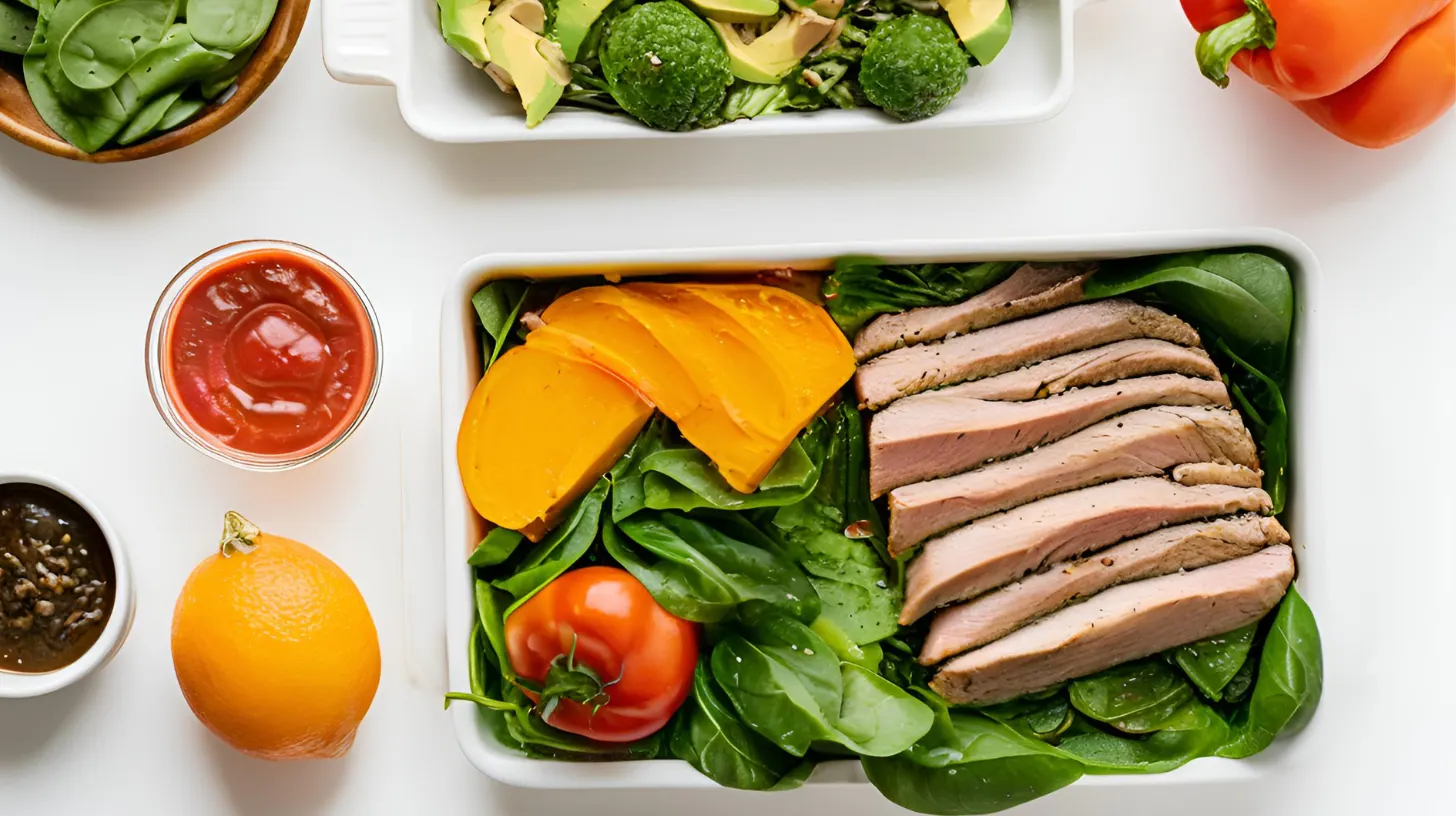
Food can influence your mood more than you might think. This diet focuses on nutrients that support brain health and stabilize mood, incorporating foods rich in omega-3s, antioxidants, and vitamins to help manage symptoms of depression.
Diet plan grocery list
Diet plan overview
An energy-boosting diet plan for depression focuses on stabilizing mood and energy levels through balanced meals. Foods rich in omega-3 fatty acids, such as salmon and flaxseeds, are prioritized to support brain health, while complex carbs like oatmeal provide sustained energy. Vitamins D and B12, along with folate-rich greens, play roles in regulating mood and preventing fatigue.
Eating at regular intervals helps prevent blood sugar dips that can exacerbate mood swings. Including probiotic-rich foods like yogurt can also benefit gut health, which is linked to mental well-being. This diet is not just about nutrition, but also forming habits that support a healthier mental state.

Foods to eat
- Omega-3 Fatty Acids: Salmon, flaxseeds, and walnuts to support brain health.
- Whole Grains: Oatmeal, whole-wheat bread for serotonin production and mood stabilization.
- Leafy Greens: Spinach and Swiss chard rich in folate, which is crucial for mood management.
- Lean Proteins: Turkey, beans, and tofu to enhance neurotransmitter function.
- Berries: Blueberries, strawberries which are high in antioxidants that support overall brain health.
Tip
Brighten your mood with a smoothie that blends bananas, spinach, and flaxseed oil, delivering a triple punch of omega-3, magnesium, and potassium.
Foods not to eat
- High-Sugar Foods: Avoid sweets and soft drinks that can lead to mood fluctuations.
- Caffeine: Excessive caffeine can disrupt sleep and worsen mood swings.
- Refined Carbs: White bread, pasta which can affect blood sugar and mood stability.
- Alcohol: It’s a depressant and can exacerbate depression symptoms.
- Fast Food: Poor in nutrients and often high in fats that may impact mental health.
Main benefits
The energy-boosting diet plan for marathon training is specifically designed to increase endurance and delay fatigue. It strategically increases carbohydrate intake to maximize glycogen storage, the fuel that powers long-distance runners. The plan also emphasizes optimal hydration and electrolyte balance, critical for peak athletic performance. Additionally, it incorporates anti-inflammatory foods to speed up recovery times and reduce soreness post-training.
How to budget on this diet plan
To follow an energy-boosting diet on a budget for depression, focus on whole foods like beans, nuts, and seeds, which are cheaper in bulk. Seasonal fruits and vegetables are more affordable and add variety to your diet. Frozen berries and spinach are less expensive than fresh and are great for smoothies. Plan your meals for the week and cook in batches to save both time and money. Oily fish like mackerel can be bought canned, offering omega-3s needed for mood regulation at a lower cost.
Meal plan suggestion
Day 1
- Breakfast: Greek yogurt with blueberries, strawberries, and chia seeds
- Lunch: Quinoa salad with spinach, kale, cherry tomatoes, and chickpeas, dressed with olive oil and lemon
- Dinner: Baked salmon with sweet potatoes and steamed broccoli
- Snack: A banana and a handful of almonds
Day 2
- Breakfast: Oatmeal with flaxseeds, walnuts, and a drizzle of honey
- Lunch: Tuna salad with mixed greens (spinach and kale), bell peppers, and an olive oil dressing
- Dinner: Grilled chicken breast with brown rice and steamed kale
- Snack: Cottage cheese with sliced strawberries
Day 3
- Breakfast: Smoothie with Greek yogurt, spinach, banana, and a splash of skim milk
- Lunch: Lentil soup with diced tomatoes and carrots, served with a slice of whole wheat bread
- Dinner: Baked turkey breast with quinoa and roasted bell peppers
- Snack: Dark chocolate squares with green tea
Day 4
- Breakfast: Avocado toast on whole wheat bread with a poached egg
- Lunch: Chickpea and quinoa bowl with spinach, kale, and a tahini dressing
- Dinner: Grilled salmon with steamed broccoli and brown rice
- Snack: A handful of walnuts and an orange
Day 5
- Breakfast: Greek yogurt with blueberries, flaxseeds, and a drizzle of honey
- Lunch: Turkey and avocado wrap in a whole wheat tortilla with spinach and tomatoes
- Dinner: Baked chicken breast with roasted sweet potatoes and steamed kale
- Snack: A banana and a handful of almonds
Day 6
- Breakfast: Smoothie with Greek yogurt, spinach, strawberries, and a splash of skim milk
- Lunch: Lentil salad with kale, bell peppers, and a lemon-olive oil dressing
- Dinner: Grilled tuna with quinoa and steamed broccoli
- Snack: Cottage cheese with sliced strawberries
Day 7
- Breakfast: Oatmeal with chia seeds, walnuts, and a drizzle of honey
- Lunch: Quinoa salad with spinach, kale, chickpeas, and bell peppers, dressed with olive oil and lemon
- Dinner: Baked salmon with sweet potatoes and steamed broccoli
- Snack: Dark chocolate squares with green tea
Want to learn more?
Keep in mind
Other diet plans
-

Carnivore diet plan for diabetics
This diet plan on the carnivore diet for diabetic individuals is quite low on carbs while approximating almost 100 percent in protein and fats. This helps to control blood sugar levels. Avoiding sugars and most of carbs can make it possible to have diabetes well under control. It is a radical but straightforward dietary intervention which should be done with supervision and guidance from health practitioners.
-

Carnivore diet plan for healthy eating
Healthy eating in the carnivore diet plan comprises a range of nutrient-dense sourced meats, such as organs and bone broths, which contain critical vitamins and minerals. It aims to eliminate inflammatory reactions, which are characteristic of some lifestyle diseases, and cut back the diet to essential nutrients. It may seem limiting, however, it facilitates looking deeper into the quality of every piece of meat cuisine.
-

Carnivore diet plan for beginners
The following carnivore beginner’s plan is especially intended for those who are new to the carnivore way of life. It begins by eating only meat instead of animal-based foods. Just after a few weeks or so, start introducing other types of food, such as fish, poultry, and organ meat. No complicated steps involved - learn the basics of meat preparation and accommodate a new food pattern.