
Energy-boosting diet plan for elderly
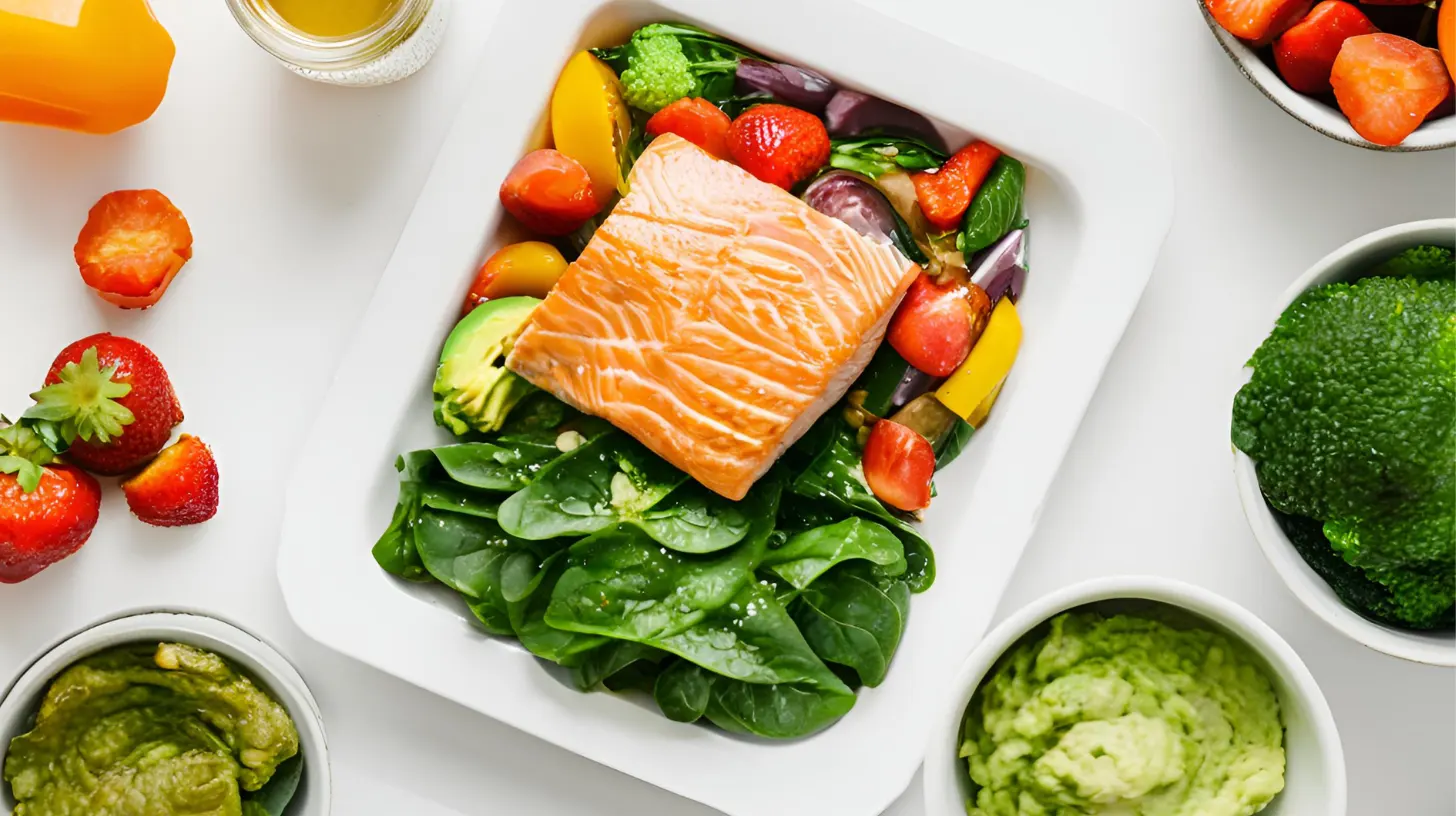
As energy levels may naturally decline with age, this diet plan for the elderly is tailored to be nutrient-dense yet easy to digest. It includes options that are both gentle on the stomach and supportive of sustained energy levels throughout the day.
Diet plan grocery list
Diet plan overview
The energy-boosting diet plan for elderly focuses on nutrient-dense foods to combat the natural decline in energy associated with aging. This plan includes high-fiber foods, lean proteins, and antioxidants from fruits and vegetables to maintain muscle mass and cognitive function. Calcium and vitamin D are essential to protect bone health and prevent osteoporosis.
Meals are typically smaller and more frequent to aid digestion and maintain steady energy levels. Hydration is also crucial, as older adults are more susceptible to dehydration. This diet aims to support independence and vitality in the elderly through thoughtful nutritional choices.

Foods to eat
- High-Fiber Foods: Lentils, apples, and whole grains to aid digestion and energy utilization.
- Lean Proteins: Chicken breast, fish, and legumes to maintain muscle mass and strength.
- Calcium-Rich Foods: Dairy, tofu, and leafy greens to support bone health.
- Soft, Nutrient-Dense Foods: Smoothies, soups, and yogurt for easier consumption and nutrient intake.
- Hydrating Foods: Cucumber, oranges, and melons to prevent dehydration and maintain energy levels.
Tip
Sprinkle nutritional yeast on your meals. It’s a tasty way to add B-vitamins to your diet, crucial for boosting energy in the golden years.
Foods not to eat
- High-Sodium Snacks: Salted nuts and pretzels that can raise blood pressure.
- Excessive Raw Vegetables: Can be hard to chew and digest for some elderly individuals.
- Sugary Sweets: Cakes, cookies which are energy depleting and nutritionally poor.
- Hard-to-Chew Meats: Steak, pork chops which may be difficult to digest and chew.
- Alcohol: To be limited as it can interfere with medications and hydration.
Main benefits
Designed to meet the unique nutritional needs of aging bodies, the energy-boosting diet plan for elderly enhances vitality and supports daily functioning. It includes calcium and vitamin D rich foods to strengthen bones and prevent osteoporosis. The diet is rich in fiber to aid digestive health, a common concern in older age. Foods with high antioxidant levels are prioritized to reduce inflammation and boost immunity, keeping health concerns at bay.
How to budget on this diet plan
When planning an energy-boosting diet for the elderly, consider softer, easy-to-digest foods that are also gentle on the budget. Canned pumpkin, applesauce, and oatmeal are nutritious options that won’t break the bank. Buy generic brands of whole grains and dairy products as they often offer the same nutritional benefits as branded ones. Cook with spices instead of salt to manage blood pressure and enhance flavor without added cost. Making soups and stews from leftovers is not only economical but also provides hydration and nutrition.
Meal plan suggestion
Day 1
- Breakfast: Greek yogurt with blueberries, strawberries, and a sprinkle of chia seeds
- Lunch: Quinoa salad with kale, spinach, cherry tomatoes, and grilled chicken breast
- Dinner: Baked salmon with steamed broccoli and sweet potatoes
- Snack: Apple slices with almond butter
Day 2
- Breakfast: Oatmeal with sliced bananas, flaxseeds, and a drizzle of honey
- Lunch: Turkey breast and avocado wrap with spinach and bell peppers
- Dinner: Lean beef stir-fry with bell peppers, carrots, and brown rice
- Snack: Greek yogurt with walnuts and honey
Day 3
- Breakfast: Smoothie with almond milk, spinach, blueberries, and chia seeds
- Lunch: Lentil soup with carrots, tomatoes, and a side of quinoa
- Dinner: Baked chicken breast with roasted sweet potatoes and steamed kale
- Snack: Cottage cheese with strawberries
Day 4
- Breakfast: Greek yogurt with sliced bananas, almonds, and honey
- Lunch: Spinach and quinoa salad with grilled salmon and cherry tomatoes
- Dinner: Turkey breast with steamed broccoli and brown rice
- Snack: Apple slices with walnuts
Day 5
- Breakfast: Oatmeal with strawberries, flaxseeds, and a drizzle of honey
- Lunch: Chicken breast and avocado wrap with spinach and bell peppers
- Dinner: Baked salmon with roasted sweet potatoes and steamed spinach
- Snack: Greek yogurt with blueberries and chia seeds
Day 6
- Breakfast: Smoothie with almond milk, kale, strawberries, and flaxseeds
- Lunch: Black bean and quinoa salad with cherry tomatoes and bell peppers
- Dinner: Lean beef stir-fry with carrots, broccoli, and brown rice
- Snack: Cottage cheese with sliced bananas
Day 7
- Breakfast: Greek yogurt with blueberries, almonds, and honey
- Lunch: Lentil soup with spinach, carrots, and a side of brown rice
- Dinner: Baked chicken breast with roasted sweet potatoes and steamed broccoli
- Snack: Apple slices with almond butter
Want to learn more?
Keep in mind
Other diet plans
-

Carnivore diet plan for diabetics
This diet plan on the carnivore diet for diabetic individuals is quite low on carbs while approximating almost 100 percent in protein and fats. This helps to control blood sugar levels. Avoiding sugars and most of carbs can make it possible to have diabetes well under control. It is a radical but straightforward dietary intervention which should be done with supervision and guidance from health practitioners.
-

Carnivore diet plan for healthy eating
Healthy eating in the carnivore diet plan comprises a range of nutrient-dense sourced meats, such as organs and bone broths, which contain critical vitamins and minerals. It aims to eliminate inflammatory reactions, which are characteristic of some lifestyle diseases, and cut back the diet to essential nutrients. It may seem limiting, however, it facilitates looking deeper into the quality of every piece of meat cuisine.
-

Carnivore diet plan for beginners
The following carnivore beginner’s plan is especially intended for those who are new to the carnivore way of life. It begins by eating only meat instead of animal-based foods. Just after a few weeks or so, start introducing other types of food, such as fish, poultry, and organ meat. No complicated steps involved - learn the basics of meat preparation and accommodate a new food pattern.