
Energy-boosting diet plan for hair growth
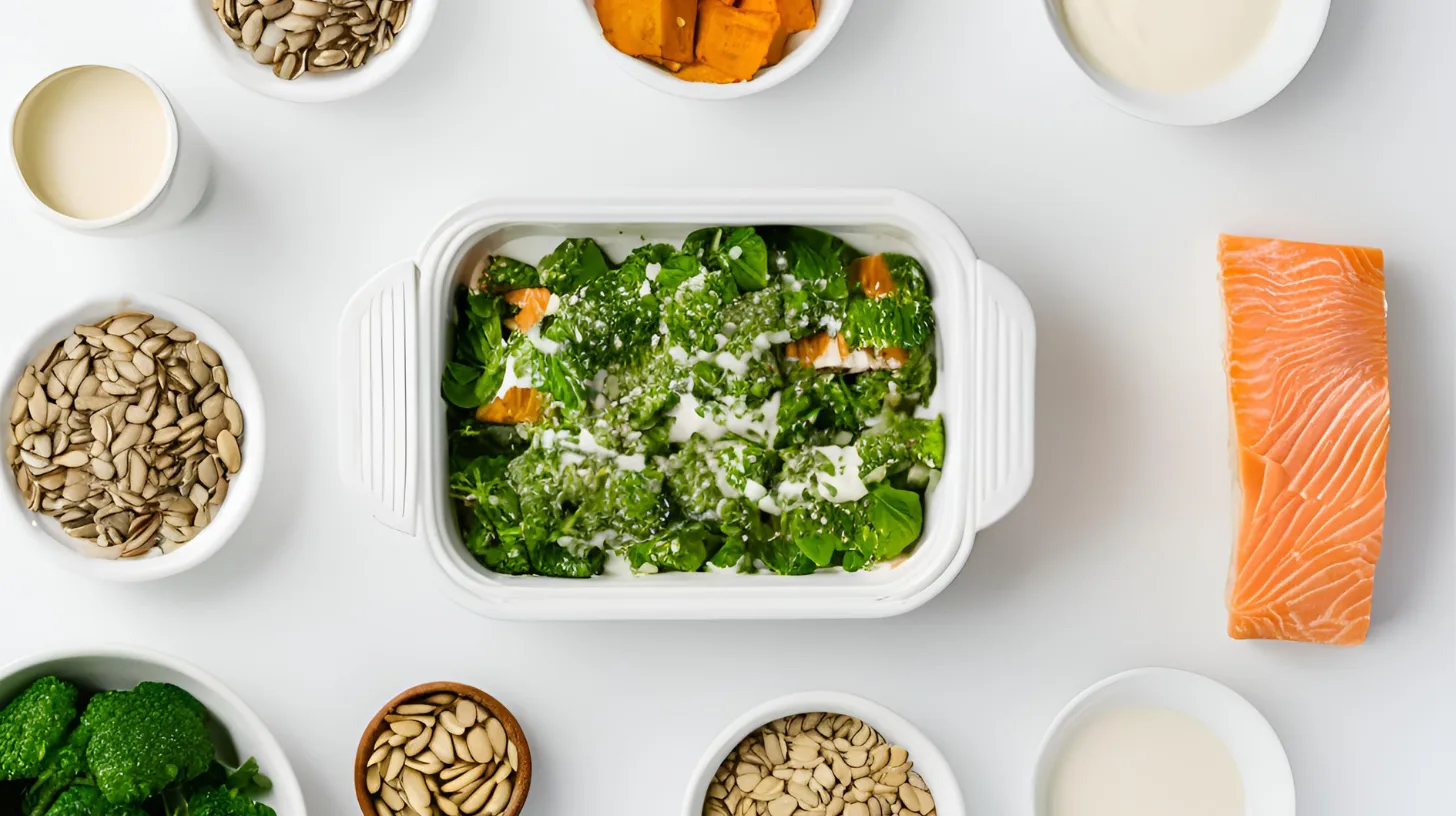
Believe it or not, what you eat can impact the health of your hair. This diet boosts intake of vitamins and minerals essential for hair strength and growth, such as vitamin C, iron, and zinc, to encourage a healthier mane.
Diet plan grocery list
Diet plan overview
An energy-boosting diet plan for hair growth not only boosts overall health but also specifically targets nutrients essential for hair follicle strength and growth. High-biotin foods like eggs and almonds, along with omega-3 fatty acids from fish, promote healthy hair. Iron-rich greens and vitamin C-packed fruits aid in iron absorption, which is crucial for hair health.
Regular consumption of protein, vitamins, and minerals helps strengthen hair strands and stimulates growth. Ensuring consistent hydration and a balance of essential nutrients provides the foundation for healthy hair and sustained energy. This diet combines overall wellness with targeted support for hair vitality.

Foods to eat
- Protein-Rich Foods: Eggs, salmon, and Greek yogurt for keratin production.
- Vitamin C Sources: Bell peppers, kiwi, and strawberries to help with collagen formation.
- Iron-Rich Foods: Spinach, lentils, and fortified cereals to support hair follicle health.
- Zinc Sources: Pumpkin seeds, beef, and chickpeas to prevent hair loss.
- Healthy Fats: Avocado, nuts, and seeds to nourish the scalp and hair.
Tip
Try a scalp-nourishing snack of sunflower seeds, which are rich in vitamin E, known to enhance blood flow and promote hair growth.
Foods not to eat
- High Mercury Fish: Shark, swordfish which can lead to hair weakening and loss.
- Artificial Sweeteners: Can impact the body’s mineral balance, affecting hair health.
- Alcohol: Can reduce hair growth by inhibiting the absorption of vital nutrients.
- High-Fat Fried Foods: Can lead to scalp and hair health issues.
- Refined Grains: White bread, pastries which can impact your overall nutrient intake.
Main benefits
The energy-boosting diet plan for hair growth targets the scalp and hair follicles by ensuring you get plenty of proteins, vitamins, and minerals essential for healthy hair. It emphasizes foods high in silica, zinc, and biotin which are crucial for robust hair growth and preventing hair loss. By improving overall nutrition, this plan not only boosts your energy but also enhances the luster and thickness of your hair. Plus, it includes omega-3 fatty acids which help keep your scalp hydrated and dandruff free.
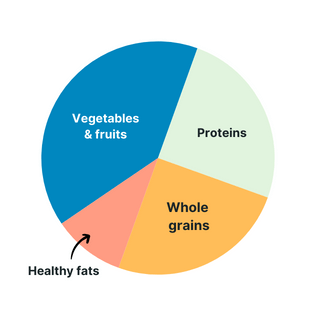
How to budget on this diet plan
An energy-boosting diet for hair growth doesn’t have to drain your wallet. Look for zinc and iron in inexpensive sources like lentils and spinach. Buy whole grains and nuts when they’re on sale and store them properly to last longer. Regularly check the discount produce bin for avocados and sweet potatoes; they might just need a little love. Use eggs for a cheap, high-quality protein that supports hair health.
Meal plan suggestion
Day 1
- Breakfast: Greek yogurt with blueberries, strawberries, and chia seeds
- Lunch: Spinach and kale salad with avocado, walnuts, and olive oil
- Dinner: Grilled salmon with quinoa and steamed broccoli
- Snack: Orange and a handful of almonds
Day 2
- Breakfast: Oatmeal with sliced bananas, honey, and flaxseeds
- Lunch: Turkey and avocado wrap with whole grain tortilla
- Dinner: Baked chicken breast with sweet potatoes and garlic sautéed kale
- Snack: Greek yogurt with pumpkin seeds
Day 3
- Breakfast: Smoothie with spinach, strawberries, banana, and Greek yogurt
- Lunch: Lentil soup with carrots, garlic, and turmeric
- Dinner: Quinoa salad with chickpeas, avocado, and olive oil
- Snack: Cottage cheese with blueberries and sunflower seeds
Day 4
- Breakfast: Scrambled eggs with spinach, garlic, and a side of sweet potato toast
- Lunch: Chicken breast with brown rice and steamed broccoli
- Dinner: Baked salmon with quinoa and a side of kale salad
- Snack: Sliced orange with a handful of almonds
Day 5
- Breakfast: Smoothie bowl with Greek yogurt, blueberries, chia seeds, and flaxseeds
- Lunch: Quinoa salad with spinach, strawberries, and walnuts
- Dinner: Turkey stir-fry with broccoli, carrots, and brown rice
- Snack: Cottage cheese with a banana
Day 6
- Breakfast: Oatmeal with strawberries, honey, and sunflower seeds
- Lunch: Chickpea salad with kale, avocado, and olive oil
- Dinner: Grilled chicken breast with quinoa and sautéed spinach
- Snack: Greek yogurt with pumpkin seeds
Day 7
- Breakfast: Greek yogurt with sliced bananas, flaxseeds, and honey
- Lunch: Lentil and spinach salad with avocado and walnuts
- Dinner: Baked salmon with sweet potatoes and steamed broccoli
- Snack: Orange and a handful of almonds
Want to learn more?
Keep in mind
Other diet plans
-

Carnivore diet plan for diabetics
This diet plan on the carnivore diet for diabetic individuals is quite low on carbs while approximating almost 100 percent in protein and fats. This helps to control blood sugar levels. Avoiding sugars and most of carbs can make it possible to have diabetes well under control. It is a radical but straightforward dietary intervention which should be done with supervision and guidance from health practitioners.
-

Carnivore diet plan for healthy eating
Healthy eating in the carnivore diet plan comprises a range of nutrient-dense sourced meats, such as organs and bone broths, which contain critical vitamins and minerals. It aims to eliminate inflammatory reactions, which are characteristic of some lifestyle diseases, and cut back the diet to essential nutrients. It may seem limiting, however, it facilitates looking deeper into the quality of every piece of meat cuisine.
-

Carnivore diet plan for beginners
The following carnivore beginner’s plan is especially intended for those who are new to the carnivore way of life. It begins by eating only meat instead of animal-based foods. Just after a few weeks or so, start introducing other types of food, such as fish, poultry, and organ meat. No complicated steps involved - learn the basics of meat preparation and accommodate a new food pattern.