
Energy-boosting diet plan for lactose intolerance
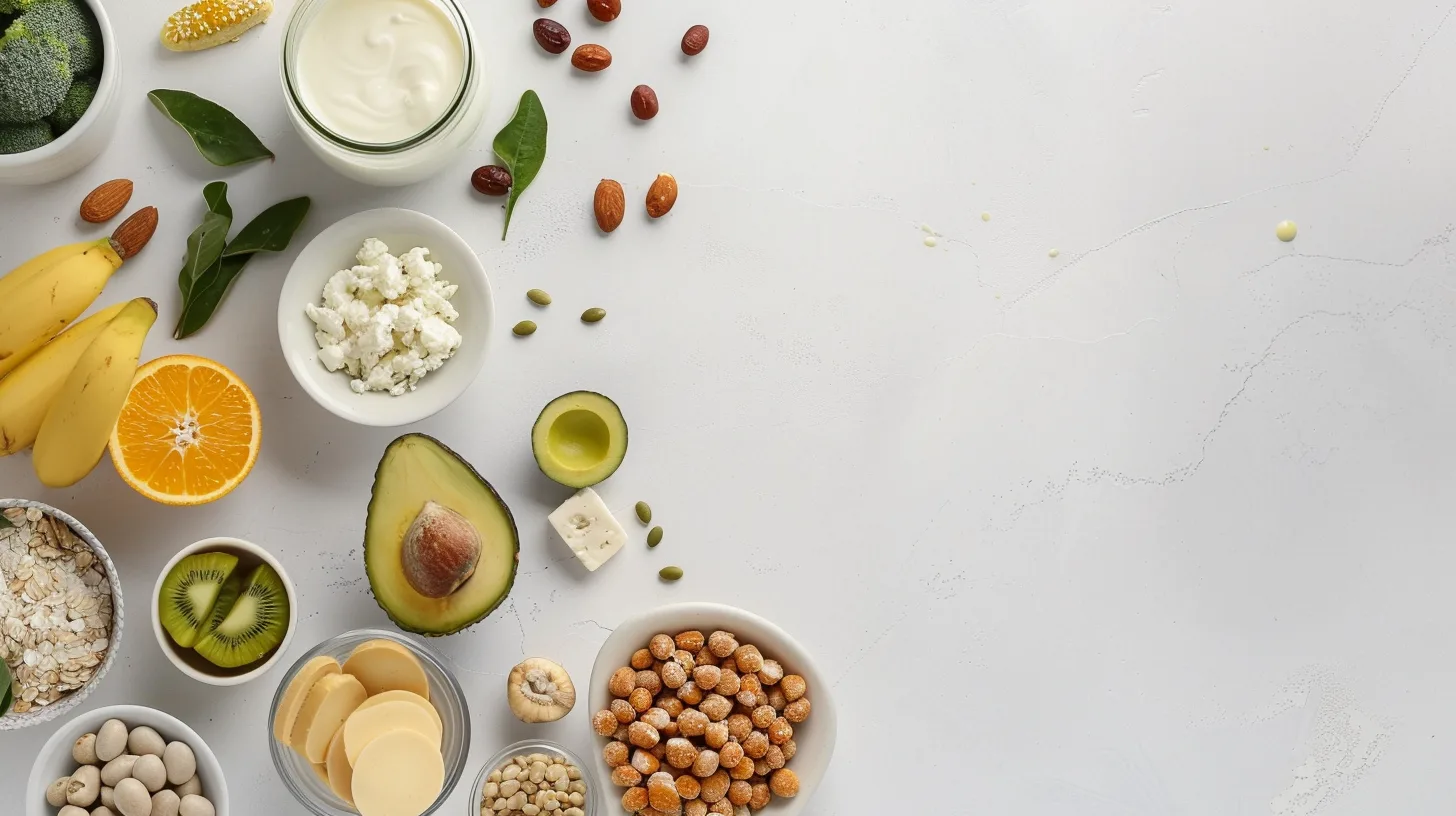
For those juggling lactose intolerance but still aiming to keep their energy up, there's a diet plan tailored for you. This guide offers nourishing, lactose-free options that ensure you're not missing out on essential nutrients while keeping your energy levels steady throughout the day.
Diet plan grocery list
Diet plan overview
Finding the right balance in your diet when you're lactose intolerant can be challenging, but an energy-boosting diet plan for lactose intolerance focuses on just that. This diet plan includes a variety of lactose-free foods that are high in energy, such as oats, almonds, and brown rice. It’s designed to maintain your energy levels throughout the day without causing any discomfort.
In addition to focusing on lactose-free ingredients, this diet plan also incorporates plenty of fruits and vegetables to ensure you're getting a wide range of vitamins and minerals. Meals and snacks are spread evenly throughout the day to keep your metabolism active and your energy consistent.

Foods to eat
- Lactose-Free Dairy Alternatives: Almond milk, coconut yogurt, and lactose-free cheeses for calcium without discomfort.
- Whole Grains: Quinoa, brown rice, and oats to provide lasting energy throughout the day.
- Leafy Greens: Spinach, kale, and swiss chard, which are high in iron and B vitamins.
- Lean Proteins: Chicken, turkey, and fish to maintain muscle mass and energy levels.
- Nuts and Seeds: Chia seeds, flaxseeds, and walnuts for omega-3 fatty acids and energy-boosting fats.
Tip
For those avoiding lactose but still needing an energy kick, try incorporating coconut yogurt into your breakfast for a tasty, dairy-free probiotic boost.
Foods not to eat
- Lactose-Containing Dairy Products: Milk, butter, and regular cheeses which can cause digestive issues.
- Highly Processed Snacks: Chips, cookies, and ready meals that may contain hidden lactose.
- Cream-Based Sauces: Often contain milk and can trigger symptoms of intolerance.
- Excessive Caffeine: Energy drinks and too much coffee can disrupt digestion and sleep patterns.
- Artificial Sweeteners: Can cause bloating and discomfort in sensitive individuals.
Main benefits
Diving into the energy-boosting diet plan for lactose intolerance can transform your mornings, shaking off that sluggish feel without any dairy discomfort. It's designed to stabilize your blood sugar levels through lactose-free, high-energy foods, keeping you alert and ready to tackle your day. Plus, the inclusion of rich, plant-based proteins ensures your muscles get all the nutrients they need to recover and strengthen, all while avoiding dairy. Not only will your digestive system thank you, but this diet also enhances nutrient absorption, giving your body a chance to harness more vitamins and minerals from each meal.

How to budget on this diet plan
If you're navigating lactose intolerance but want to keep your energy up, start by embracing lactose-free generics. They're often cheaper than brand names. Hit up local markets for fresh, seasonal produce which can be more affordable and just as nutritious. Consider bulk buying your staples like rice or gluten-free pasta. Cooking meals in large batches can save both time and money, plus you can freeze portions for later. Keep an eye out for discounts on dairy alternatives like almond or soy milk.
Meal plan suggestion
Day 1
- Breakfast: Oatmeal with almond milk, blueberries, and chia seeds
- Lunch: Quinoa salad with spinach, avocado, and grilled chicken breast
- Dinner: Baked salmon with roasted sweet potatoes and steamed broccoli
- Snack: Apple slices with almond butter
Day 2
- Breakfast: Smoothie with almond milk, banana, and flaxseeds
- Lunch: Lentil soup with carrots, kale, and garlic
- Dinner: Turkey stir-fry with bell peppers, beets, and brown rice
- Snack: Coconut yogurt with walnuts and blueberries
Day 3
- Breakfast: Quinoa porridge with almond milk, apples, and cinnamon
- Lunch: Chickpea salad with cucumber, bell peppers, and olive oil dressing
- Dinner: Baked chicken breast with roasted carrots and steamed spinach
- Snack: Orange slices and almonds
Day 4
- Breakfast: Smoothie bowl with coconut yogurt, blueberries, and chia seeds
- Lunch: Turkey and avocado wrap with kale and almond milk dressing
- Dinner: Grilled salmon with quinoa and steamed broccoli
- Snack: Banana and walnut snack
Day 5
- Breakfast: Brown rice porridge with almond milk, bananas, and flaxseeds
- Lunch: Spinach and lentil salad with roasted sweet potatoes and olive oil dressing
- Dinner: Turkey and vegetable stir-fry with bell peppers, broccoli, and ginger
- Snack: Apple slices with coconut yogurt
Day 6
- Breakfast: Smoothie with almond milk, spinach, avocado, and banana
- Lunch: Chickpea and quinoa salad with kale and lemon-olive oil dressing
- Dinner: Baked salmon with roasted beets and steamed carrots
- Snack: Orange slices and walnuts
Day 7
- Breakfast: Oatmeal with almond milk, blueberries, and flaxseeds
- Lunch: Lentil and vegetable stew with carrots, spinach, and garlic
- Dinner: Grilled chicken breast with quinoa and roasted sweet potatoes
- Snack: Cucumber slices with almond butter
Want to learn more?
Keep in mind
Other diet plans
-

Carnivore diet plan for diabetics
This diet plan on the carnivore diet for diabetic individuals is quite low on carbs while approximating almost 100 percent in protein and fats. This helps to control blood sugar levels. Avoiding sugars and most of carbs can make it possible to have diabetes well under control. It is a radical but straightforward dietary intervention which should be done with supervision and guidance from health practitioners.
-

Carnivore diet plan for healthy eating
Healthy eating in the carnivore diet plan comprises a range of nutrient-dense sourced meats, such as organs and bone broths, which contain critical vitamins and minerals. It aims to eliminate inflammatory reactions, which are characteristic of some lifestyle diseases, and cut back the diet to essential nutrients. It may seem limiting, however, it facilitates looking deeper into the quality of every piece of meat cuisine.
-

Carnivore diet plan for beginners
The following carnivore beginner’s plan is especially intended for those who are new to the carnivore way of life. It begins by eating only meat instead of animal-based foods. Just after a few weeks or so, start introducing other types of food, such as fish, poultry, and organ meat. No complicated steps involved - learn the basics of meat preparation and accommodate a new food pattern.