
Energy-boosting diet plan for menopause
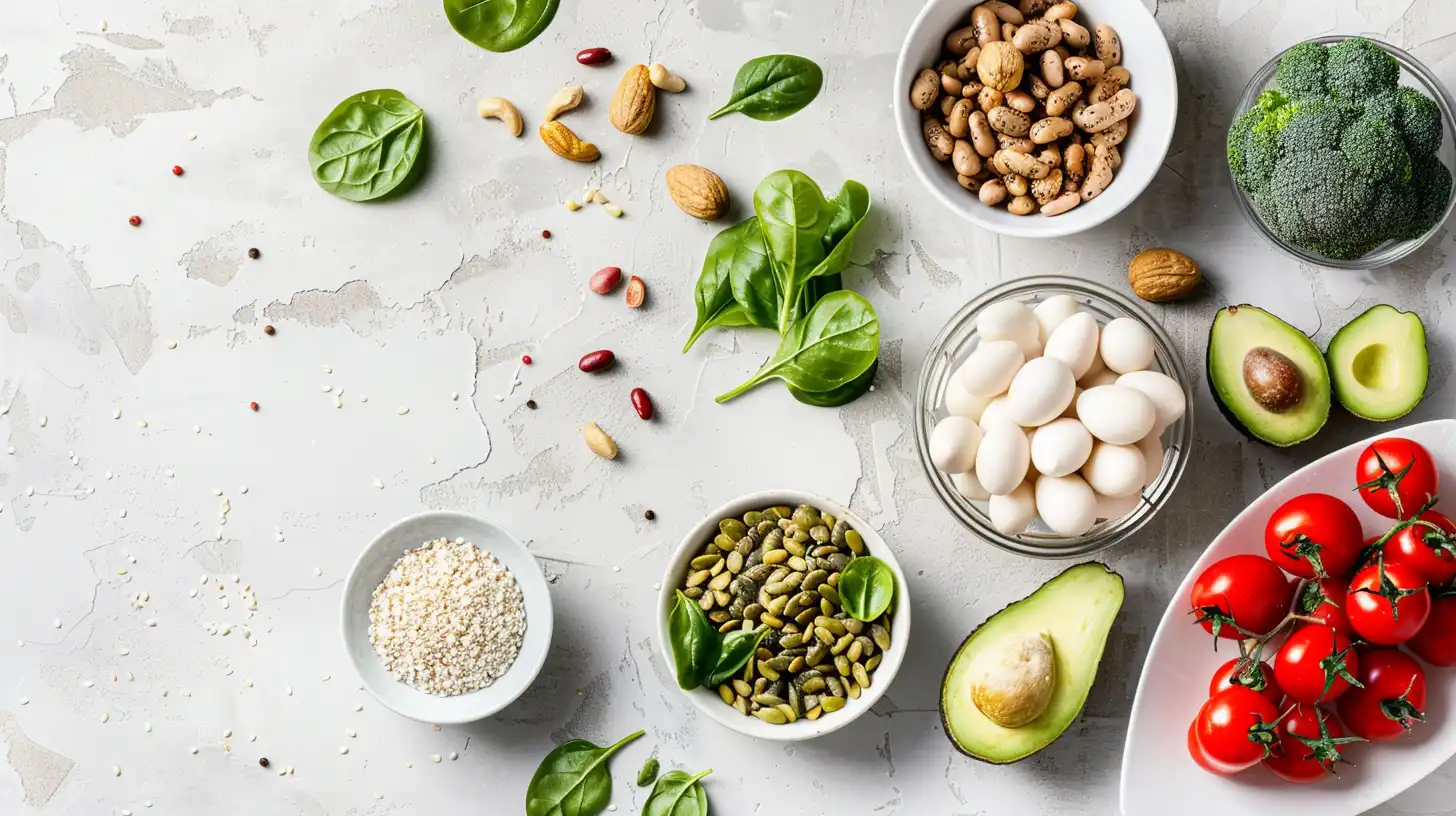
Menopause brings a myriad of changes, and maintaining energy can be a challenge. This diet plan focuses on nutrient-rich foods that support hormone balance and energy without overcomplicating your meals, making it easier to navigate this new phase with vitality.
Diet plan grocery list
Diet plan overview
Navigating menopause can be smoother with an energy-boosting diet plan for menopause that helps manage symptoms and maintain vitality. The diet is rich in phytoestrogens from sources like flaxseeds and soy products, which can help balance hormones naturally. It also emphasizes foods high in fiber and protein to keep you full and energized.
This diet is not just about what you eat, but also about creating a balanced lifestyle that includes regular physical activity and proper hydration. By combining these elements, you’ll help manage menopausal symptoms more effectively and boost your overall energy.
Foods to eat
- Phytoestrogen-Rich Foods: Tofu, tempeh, and flaxseeds to help balance hormones.
- Calcium-Rich Foods: Broccoli, kale, and almond milk to support bone health.
- High-Fiber Foods: Legumes, berries, and whole grains for digestive health and sustained energy.
- Lean Proteins: Skinless poultry, fish, and legumes for maintaining muscle mass.
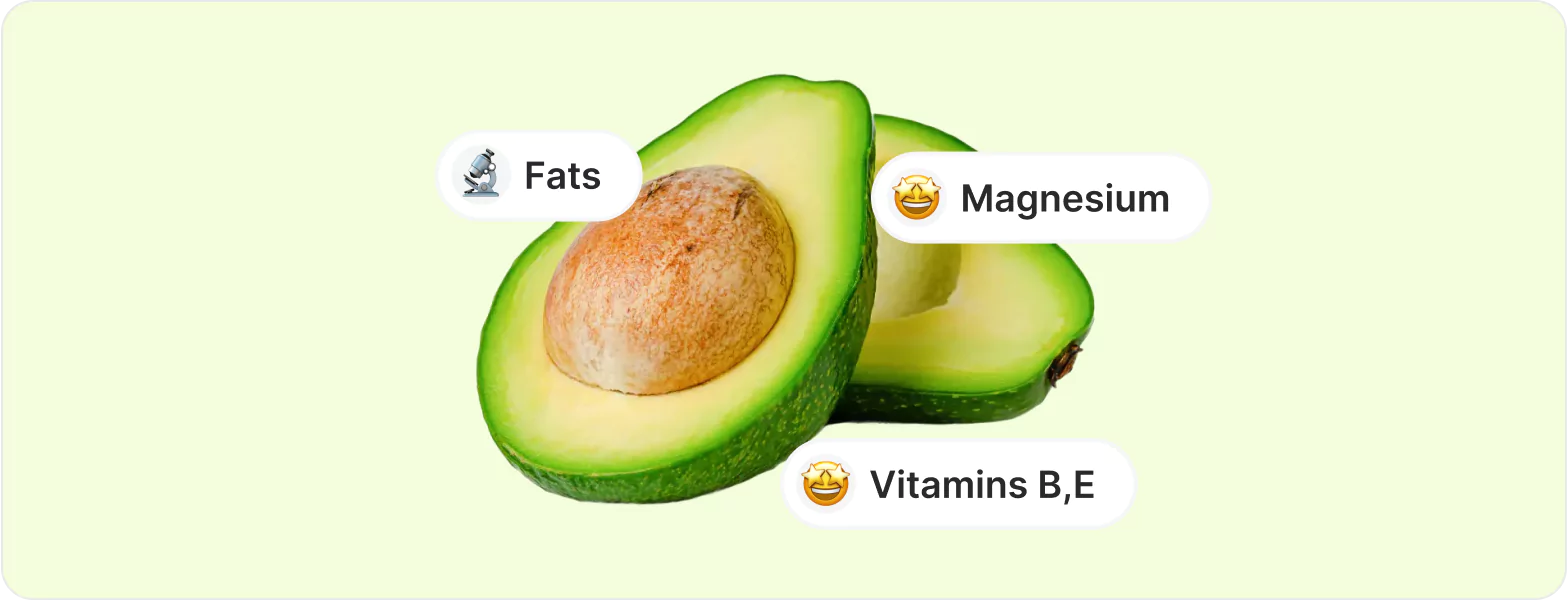
- Healthy Fats: Avocados, olive oil, and nuts to support overall health and energy levels.
Tip
During menopause, rev up your energy levels with snacks rich in omega-3 fatty acids, like walnuts or flaxseeds, to help balance hormones naturally.
Foods not to eat
- High-Sugar Foods: Sweets, cakes, and sugary drinks that can lead to energy crashes.
- Spicy Foods: Can trigger hot flashes in some women during menopause.
- Caffeinated Beverages: Coffee and black tea may exacerbate symptoms like sleeplessness.
- High-Fat Meats: Processed sausages and bacon which can negatively affect heart health.
- Alcohol: Can trigger hot flashes and interfere with sleep patterns.
Main benefits
The energy-boosting diet plan for menopause targets the unique needs of menopausal women, enhancing mood and combating fatigue with nutrient-dense superfoods. This diet emphasizes foods high in omega-3 fatty acids and antioxidants to reduce inflammation and promote a balanced hormonal landscape, vital for those navigating the ups and downs of menopause. It also focuses on sustainable energy sources like whole grains and legumes to keep blood sugar levels even and your energy steady throughout the day. Furthermore, this plan encourages the intake of iron and calcium-rich foods to support bone health, crucial during the menopausal transition.

How to budget on this diet plan
During menopause, keeping your energy up doesn't have to drain your wallet. Opt for whole foods like beans and lentils which are cheap and rich in fiber and protein. Eggs are a low-cost superfood that can be used in many different meals. Make sure to plan your meals weekly to avoid impulse buys. Utilize your freezer to store bulk cooked meals and seasonal veggies that are often on sale.
Meal plan suggestion
Day 1
- Breakfast: Oatmeal with blueberries, chia seeds, and almonds
- Lunch: Spinach and kale salad with chicken breast, avocado, and walnuts
- Dinner: Grilled salmon with quinoa, steamed broccoli, and roasted sweet potatoes
- Snack: Greek yogurt with strawberries and flaxseeds
Day 2
- Breakfast: Greek yogurt with banana, flaxseeds, and pumpkin seeds
- Lunch: Turkey and avocado wrap with whole wheat tortilla, bell peppers, and spinach
- Dinner: Baked tofu with brown rice, asparagus, and roasted carrots
- Snack: Apple slices with almond butter
Day 3
- Breakfast: Smoothie with spinach, kale, blueberries, Greek yogurt, and chia seeds
- Lunch: Quinoa salad with chickpeas, cucumber, bell peppers, and pumpkin seeds
- Dinner: Grilled chicken breast with sweet potato mash, steamed broccoli, and beets
- Snack: Cottage cheese with strawberries and walnuts
Day 4
- Breakfast: Scrambled eggs with spinach, bell peppers, and avocado
- Lunch: Lentil soup with carrots, celery, and quinoa
- Dinner: Baked salmon with brown rice, roasted cauliflower, and asparagus
- Snack: Orange slices with a handful of almonds
Day 5
- Breakfast: Greek yogurt parfait with oats, strawberries, and chia seeds
- Lunch: Turkey and quinoa bowl with spinach, cucumbers, and pumpkin seeds
- Dinner: Grilled tofu with lentils, steamed kale, and roasted sweet potatoes
- Snack: Banana with almond butter
Day 6
- Breakfast: Smoothie with Greek yogurt, spinach, banana, and flaxseeds
- Lunch: Chicken and chickpea salad with spinach, cucumbers, and bell peppers
- Dinner: Baked salmon with quinoa, steamed broccoli, and beets
- Snack: Apple slices with cottage cheese
Day 7
- Breakfast: Oatmeal with banana, chia seeds, and walnuts
- Lunch: Tofu stir-fry with bell peppers, carrots, and brown rice
- Dinner: Grilled turkey with lentils, steamed kale, and roasted sweet potatoes
- Snack: Greek yogurt with blueberries and flaxseeds
Want to learn more?
Keep in mind
Other diet plans
-

Carnivore diet plan for diabetics
This diet plan on the carnivore diet for diabetic individuals is quite low on carbs while approximating almost 100 percent in protein and fats. This helps to control blood sugar levels. Avoiding sugars and most of carbs can make it possible to have diabetes well under control. It is a radical but straightforward dietary intervention which should be done with supervision and guidance from health practitioners.
-

Carnivore diet plan for healthy eating
Healthy eating in the carnivore diet plan comprises a range of nutrient-dense sourced meats, such as organs and bone broths, which contain critical vitamins and minerals. It aims to eliminate inflammatory reactions, which are characteristic of some lifestyle diseases, and cut back the diet to essential nutrients. It may seem limiting, however, it facilitates looking deeper into the quality of every piece of meat cuisine.
-

Carnivore diet plan for beginners
The following carnivore beginner’s plan is especially intended for those who are new to the carnivore way of life. It begins by eating only meat instead of animal-based foods. Just after a few weeks or so, start introducing other types of food, such as fish, poultry, and organ meat. No complicated steps involved - learn the basics of meat preparation and accommodate a new food pattern.