
Energy-boosting diet plan for swimmers
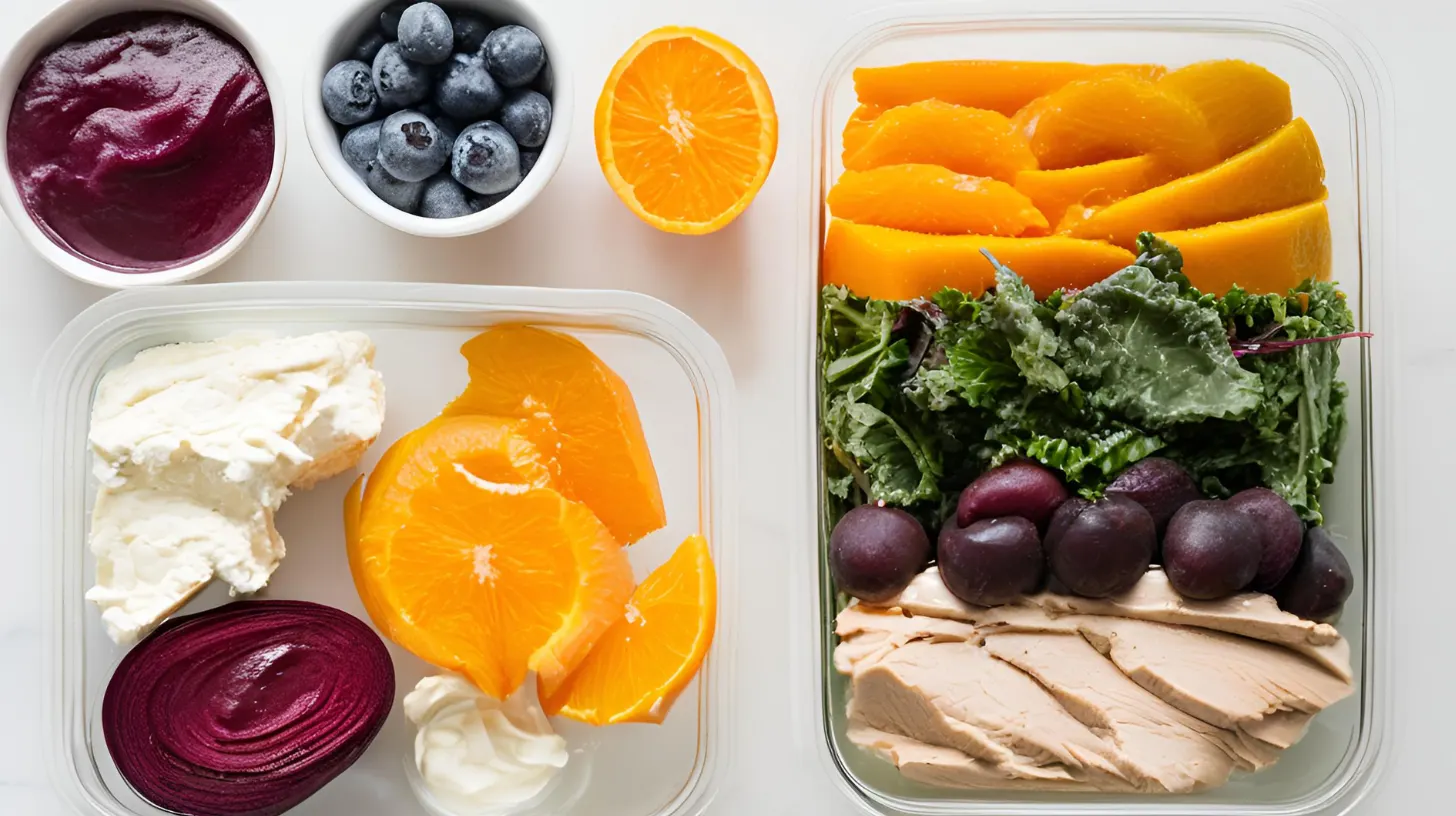
Swimmers need the right fuel to keep their energy levels high both in and out of the pool. This diet plan emphasizes hydrating foods and energy-dense nutrients that support endurance and recovery, helping swimmers perform at their best and recover swiftly after intense workouts.
Diet plan grocery list
Diet plan overview
Swimmers require a lot of energy for training and competitions, and the energy-boosting diet plan for swimmers is designed to meet these needs. This diet emphasizes high-quality proteins and complex carbohydrates to fuel long sessions in the pool and aid in recovery. Healthy fats are also included to support metabolism and joint health.
Swimmers are advised to eat consistently throughout the day, incorporating snacks that are rich in nutrients and easy to digest. This helps maintain energy levels and replenish nutrients lost during intense workouts. Overall, this diet is about maximizing performance and endurance through well-timed and balanced nutrition.
Foods to eat
- Complex Carbohydrates: Sweet potatoes and whole-grain bread for long-lasting energy.
- Lean Meats and Fish: Turkey, chicken, and tuna for high-quality protein.
- Nuts and Seeds: Almonds, walnuts, and flaxseeds for healthy fats and energy boosts.
- Bananas and Apples: Easy on-the-go snacks that provide natural sugars and fiber.
- Hydrating Foods: Cucumbers and watermelon to help stay hydrated.
Tip
For swimmers, starting your morning with chia seeds soaked in coconut water can give a long-lasting energy boost, thanks to the combo of hydrating electrolytes and omega-3 fatty acids.
Foods not to eat
- Heavy Red Meats: Difficult to digest, leading to discomfort during swimming.
- Sugary Drinks: Soda and some sports drinks can lead to sugar highs and crashes.
- Deep-Fried Foods: Can slow down your metabolism and decrease energy levels.
- High-Fiber Foods Pre-Race: Avoid beans and broccoli before swimming to prevent bloating.
- Alcohol: Dehydrates the body and impairs performance.
Main benefits
The energy-boosting diet plan for swimmers strategically increases lean muscle mass and enhances muscle recovery post-training. It incorporates high-quality proteins and carbohydrates to sustain long periods of aquatic exercise, enabling swimmers to maintain peak performance. This diet also boosts the metabolism, which helps swimmers manage their weight more effectively while remaining energized. Plus, the high antioxidant content helps combat oxidative stress caused by rigorous training schedules.

How to budget on this diet plan
Swimmers need loads of energy, and getting carbs from whole grains like quinoa and barley can be both cost-effective and sustaining. Look for sales on lean proteins like chicken or turkey to keep your muscles fueled without breaking the bank. Consider buying frozen fruits and vegetables, which are cheaper and last longer, perfect for smoothies and recovery meals. Buying in larger quantities can often reduce costs, especially for staples like nuts and seeds. Also, making your own sports drinks with natural juices and a pinch of salt can save money compared to branded options.
Meal plan suggestion
Day 1
- Breakfast: Oatmeal with banana, blueberries, and chia seeds
- Lunch: Grilled chicken breast with quinoa and steamed broccoli
- Dinner: Baked salmon with sweet potatoes and spinach
- Snack: Greek yogurt with walnuts and flaxseeds
Day 2
- Breakfast: Greek yogurt with mango and hemp seeds
- Lunch: Turkey breast sandwich on whole grain bread with avocado and kale
- Dinner: Tofu stir-fry with brown rice, carrots, and broccoli
- Snack: Cottage cheese with apple slices and pumpkin seeds
Day 3
- Breakfast: Smoothie with spinach, banana, Greek yogurt, and chia seeds
- Lunch: Lentil salad with beetroot, carrots, and garlic dressing
- Dinner: Grilled salmon with quinoa and steamed kale
- Snack: Almonds and an orange
Day 4
- Breakfast: Whole grain toast with peanut butter, banana, and flaxseeds
- Lunch: Spinach and turkey breast salad with avocado and mango
- Dinner: Baked chicken breast with sweet potatoes and broccoli
- Snack: Cottage cheese with blueberries and walnuts
Day 5
- Breakfast: Quinoa bowl with mango, Greek yogurt, and chia seeds
- Lunch: Salmon salad with spinach, avocado, and pumpkin seeds
- Dinner: Tofu and lentil curry with brown rice and steamed carrots
- Snack: Apple slices with almond butter
Day 6
- Breakfast: Smoothie with kale, banana, Greek yogurt, and hemp seeds
- Lunch: Grilled chicken breast with quinoa and steamed beetroot
- Dinner: Baked turkey breast with sweet potatoes and broccoli
- Snack: Greek yogurt with blueberries and pumpkin seeds
Day 7
- Breakfast: Oatmeal with mango, blueberries, and chia seeds
- Lunch: Tofu and spinach salad with quinoa and avocado
- Dinner: Grilled salmon with brown rice and steamed kale
- Snack: Cottage cheese with apple slices and walnuts
Want to learn more?
Keep in mind
Other diet plans
-

Carnivore diet plan for diabetics
This diet plan on the carnivore diet for diabetic individuals is quite low on carbs while approximating almost 100 percent in protein and fats. This helps to control blood sugar levels. Avoiding sugars and most of carbs can make it possible to have diabetes well under control. It is a radical but straightforward dietary intervention which should be done with supervision and guidance from health practitioners.
-

Carnivore diet plan for healthy eating
Healthy eating in the carnivore diet plan comprises a range of nutrient-dense sourced meats, such as organs and bone broths, which contain critical vitamins and minerals. It aims to eliminate inflammatory reactions, which are characteristic of some lifestyle diseases, and cut back the diet to essential nutrients. It may seem limiting, however, it facilitates looking deeper into the quality of every piece of meat cuisine.
-

Carnivore diet plan for beginners
The following carnivore beginner’s plan is especially intended for those who are new to the carnivore way of life. It begins by eating only meat instead of animal-based foods. Just after a few weeks or so, start introducing other types of food, such as fish, poultry, and organ meat. No complicated steps involved - learn the basics of meat preparation and accommodate a new food pattern.