
Energy-boosting diet plan for two
Cooking for two? Enhance your meals with energy-boosting nutrients that benefit both you and your partner. This diet plan includes easy, wholesome recipes that focus on energy-rich foods to help you both feel more alert and active throughout the day. It’s a great way to align on healthier eating habits together while keeping meal preparation stress-free.
Diet plan grocery list
Diet plan overview
Embarking on a diet journey with a partner? The energy-boosting diet plan for two is tailored to help couples or pairs boost their energy through balanced, nutritious meals that are easy to share. This plan focuses on doubling up on energy-rich foods like avocados, quinoa, and fish, ensuring both of you receive ample nutrients and energy to tackle your daily activities together.
What makes this diet unique is the portion control and meal variety, designed to suit two people with potentially different dietary needs. Recipes are crafted to be versatile and adaptable, so swapping ingredients based on personal preferences or dietary restrictions is a breeze. It’s all about making dieting social and enjoyable, enhancing both your plates and your relationship.

Foods to eat
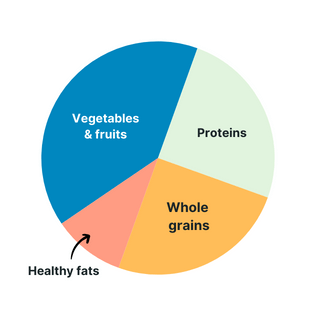
- Healthy Fats: Include avocado, salmon, and olive oil for sustained energy and heart health.
- Whole Grains: Choose oats, barley, and whole-wheat pasta for long-lasting energy sources.
- Lean Proteins: Turkey, skinless chicken breasts, and legumes for muscle maintenance and energy.
- Colorful Fruits and Vegetables: Aim for a variety of colors like blueberries, carrots, and broccoli for a range of nutrients.
- Low-fat Dairy or Plant Milks: Include calcium sources that are easy on digestion and good for bone health.
Tip
Cook with quinoa instead of rice. It's packed with protein and couples perfectly in meals, making shared energy-boosting dinners both nutritious and satisfying.
Foods not to eat
- Fried and Greasy Foods: Skip foods that can feel heavy and slow you down, like fried chicken or french fries.
- High-sodium Snacks: Avoid snacks like pretzels or chips that can lead to bloating and discomfort.
- Artificial Sweeteners: Reduce intake as they can cause sugar cravings and energy spikes and dips.
- Excessive Caffeine: Keep coffee and tea to moderate levels as too much can lead to energy crashes.
- Sugary Desserts: Limit cakes and ice cream which can cause blood sugar levels to spike and then plummet.
Main benefits
Designed for duos, the energy-boosting diet plan for two makes meal prep fun and interactive while focusing on energy-enhancing nutrients. It includes recipes that are perfect for sharing, like double-duty smoothies and partner salads, each packed with antioxidants and energy boosters. This plan not only builds a habit of healthy eating together but also strengthens your bond over delicious, energy-packed meals.
How to budget on this diet plan
Planning an energy-boosting diet for two? You're in luck because cooking for two can reduce waste and cut costs. Bulk purchasing can be smart, think big bags of rice and quinoa and split the bounty. Plan your meals around what’s on sale at the grocery store each week, especially when it comes to protein like fish or chicken. Look for local farmer’s markets; sometimes they offer the best deals on fresh produce. Sharing meals not only saves money but also makes mealtime a little more special.
Meal plan suggestion
Day 1
- Breakfast: Oatmeal with blueberries, chia seeds, and a drizzle of honey
- Lunch: Quinoa salad with spinach, avocado, almonds, and olive oil dressing
- Dinner: Grilled chicken breast with a side of steamed broccoli and sweet potatoes
- Snack: Greek yogurt with sliced bananas and flaxseeds
Day 2
- Breakfast: Smoothie with spinach, banana, Greek yogurt, and coconut water
- Lunch: Brown rice bowl with sautéed kale, roasted sweet potatoes, and tofu
- Dinner: Baked salmon with garlic ginger glaze and a side of steamed asparagus
- Snack: Apple slices with peanut butter
Day 3
- Breakfast: Scrambled eggs with diced tomatoes, spinach, and whole grain bread
- Lunch: Lentil soup with carrots, onions, and a touch of turmeric
- Dinner: Stir-fried tofu with broccoli, bell peppers, and a honey ginger sauce
- Snack: Cottage cheese with sliced peaches and almonds
Day 4
- Breakfast: Whole grain bread with smashed avocado and poached eggs
- Lunch: Chicken salad with mixed greens, oranges, and a vinaigrette dressing
- Dinner: Quinoa stuffed bell peppers with black beans, corn, and a sprinkle of cheese
- Snack: Dark chocolate with a handful of almonds
Day 5
- Breakfast: Greek yogurt parfait with layers of blueberries, honey, and oats
- Lunch: Tuna wrap with whole grain tortillas, lettuce, cucumber, and cottage cheese
- Dinner: Grilled salmon with a side of asparagus and brown rice
- Snack: Banana with a tablespoon of peanut butter
Day 6
- Breakfast: Omelette with spinach, mushrooms, and feta cheese
- Lunch: Sweet potato and black bean burrito with brown rice and guacamole
- Dinner: Pan-seared chicken with quinoa and steamed green beans
- Snack: A cup of green tea with a piece of dark chocolate
Day 7
- Breakfast: Pancakes made with oats and topped with fresh strawberries and a drizzle of honey
- Lunch: Grilled shrimp over a bed of mixed greens with avocado and vinaigrette
- Dinner: Stir-fried beef with broccoli, carrots, and sesame seeds
- Snack: Mixed nuts and dried cranberries
Want to learn more?
Keep in mind
Other diet plans
-

Carnivore diet plan for diabetics
This diet plan on the carnivore diet for diabetic individuals is quite low on carbs while approximating almost 100 percent in protein and fats. This helps to control blood sugar levels. Avoiding sugars and most of carbs can make it possible to have diabetes well under control. It is a radical but straightforward dietary intervention which should be done with supervision and guidance from health practitioners.
-

Carnivore diet plan for healthy eating
Healthy eating in the carnivore diet plan comprises a range of nutrient-dense sourced meats, such as organs and bone broths, which contain critical vitamins and minerals. It aims to eliminate inflammatory reactions, which are characteristic of some lifestyle diseases, and cut back the diet to essential nutrients. It may seem limiting, however, it facilitates looking deeper into the quality of every piece of meat cuisine.
-

Carnivore diet plan for beginners
The following carnivore beginner’s plan is especially intended for those who are new to the carnivore way of life. It begins by eating only meat instead of animal-based foods. Just after a few weeks or so, start introducing other types of food, such as fish, poultry, and organ meat. No complicated steps involved - learn the basics of meat preparation and accommodate a new food pattern.