
F-factor diet plan for detox
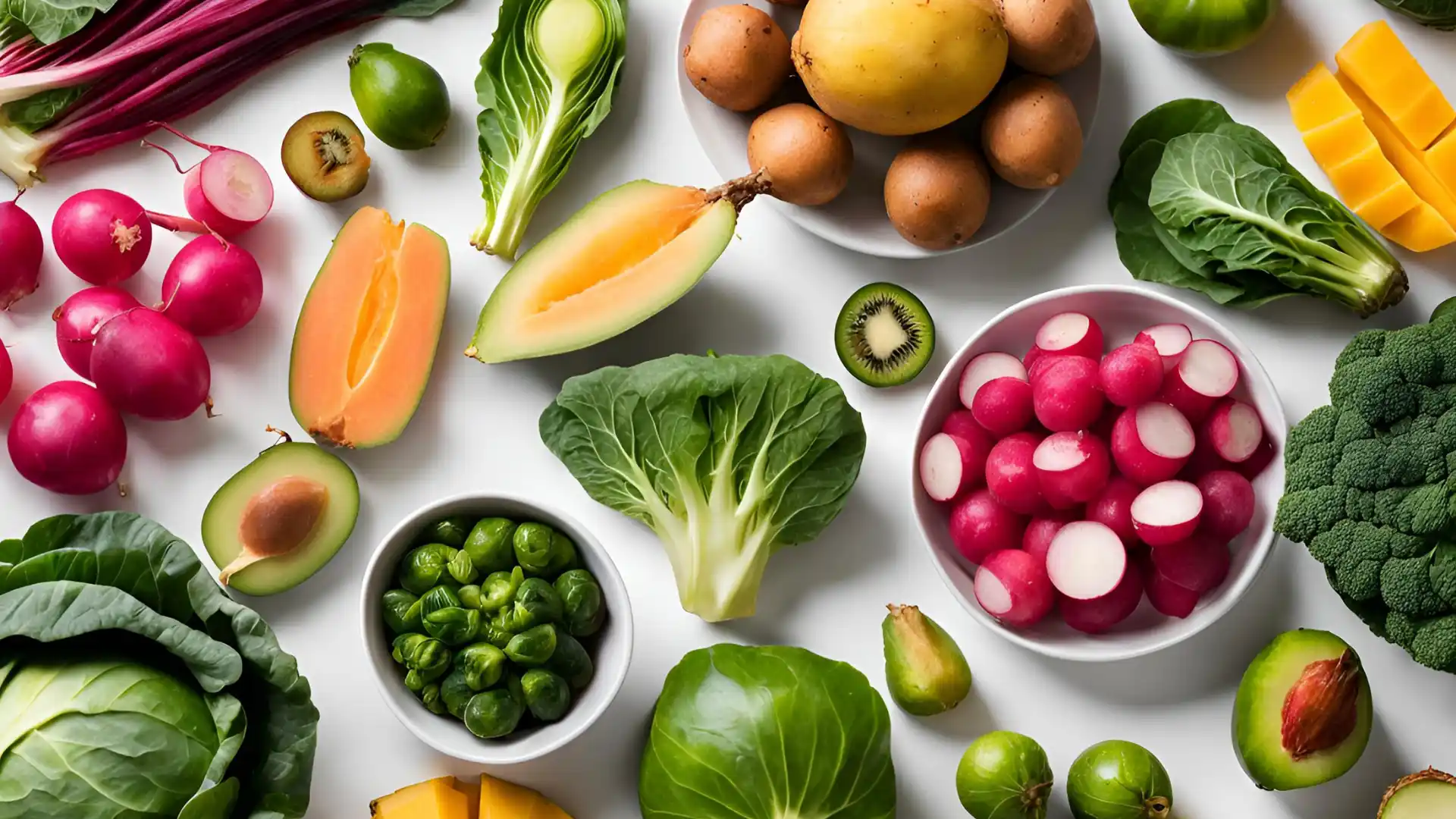
Looking to detox your body? The F-factor diet plan can help. With its emphasis on fiber-rich foods, it supports your body's natural detox processes while keeping you full and energized. You'll feel cleaner and healthier in no time.
Diet plan grocery list
Diet plan overview
The F-factor diet plan for detox focuses on cleansing your body with fiber-rich foods. This plan supports your body's natural detox processes while keeping you satisfied and energized.
With an emphasis on wholesome, high-fiber meals, it helps you feel refreshed and healthier. It's an effective way to support a natural detox routine.
Foods to eat
- Leafy Greens: Kale, spinach, and arugula to support detoxification.
- Citrus Fruits: Lemons, limes, and grapefruits that help cleanse the liver.
- Cruciferous Vegetables: Broccoli, cauliflower, and Brussels sprouts to boost detox enzymes.
- Herbs and Spices: Ginger, turmeric, and cilantro for their detoxifying properties.
- Whole Grains: Brown rice, quinoa, and millet for fiber and nutrients.
Tip
Add a slice of lemon to your water throughout the day to help boost your metabolism and aid in digestion.
Foods not to eat
- Processed Foods: Packaged snacks, frozen meals, and fast food that contain additives and preservatives.
- Alcohol: Beer, wine, and spirits that can burden the liver.
- Refined Sugars: Sweets, candies, and sugary drinks that hinder detoxification.
- Dairy Products: Milk, cheese, and ice cream that can be hard to digest for some people.
- Gluten: Foods like wheat bread, pasta, and pastries that some people find inflammatory.
Main benefits
The F-factor diet plan for detox supports your body’s natural detox processes with fiber-rich foods. It helps improve digestion and can make you feel more energized and refreshed. This plan also promotes clearer skin and better hydration by encouraging the consumption of whole, unprocessed foods.
How to budget on this diet plan
For the F-factor diet plan for detox, look for bulk deals on high-fiber foods like beans, lentils, and whole grains. Choose seasonal and local produce to save money while getting fresh ingredients. Homemade smoothies and juices can be a more economical choice compared to store-bought options. Planning and prepping meals in advance can reduce food waste and keep you within your budget.
Meal plan suggestion
Day 1
- Breakfast: Millet porridge with kiwi and pecans
- Lunch: Arugula salad with green lentils, radishes, and sesame oil
- Dinner: Baked cod with roasted Brussels sprouts and buckwheat
- Snack: Papaya slices with poppy seeds
- Calories 🔥: 1,500 Fat 💧: 45g Carbs 🌾: 180g Protein 🥩: 100g
Day 2
- Breakfast: Buckwheat pancakes with pineapple and macadamia nuts
- Lunch: Collard greens salad with navy beans, turnips, and lemon dressing
- Dinner: Grilled sardines with roasted cauliflower and amaranth
- Snack: Mango slices with a handful of pecans
- Calories 🔥: 1,600 Fat 💧: 50g Carbs 🌾: 170g Protein 🥩: 110g
Day 3
- Breakfast: Smoothie with goat milk, kiwi, and chia seeds
- Lunch: Split pea and collard greens soup with radishes
- Dinner: Baked lamb with roasted Brussels sprouts and millet
- Snack: Pineapple slices with poppy seeds
- Calories 🔥: 1,550 Fat 💧: 48g Carbs 🌾: 160g Protein 🥩: 105g
Day 4
- Breakfast: Kefir with chia seeds and mango
- Lunch: Arugula salad with green lentils, radishes, and lemon dressing
- Dinner: Baked sardines with roasted cauliflower and buckwheat
- Snack: Papaya slices with macadamia nuts
- Calories 🔥: 1,650 Fat 💧: 52g Carbs 🌾: 175g Protein 🥩: 115g
Day 5
- Breakfast: Millet porridge with kiwi and pecans
- Lunch: Split pea and collard greens soup with radishes
- Dinner: Grilled lamb with roasted Brussels sprouts and amaranth
- Snack: Pineapple slices with a handful of pecans
- Calories 🔥: 1,600 Fat 💧: 50g Carbs 🌾: 165g Protein 🥩: 110g
Day 6
- Breakfast: Smoothie with kefir, kiwi, and chia seeds
- Lunch: Collard greens salad with navy beans, turnips, and lemon dressing
- Dinner: Baked cod with roasted Brussels sprouts and millet
- Snack: Papaya slices with poppy seeds
- Calories 🔥: 1,570 Fat 💧: 48g Carbs 🌾: 170g Protein 🥩: 108g
Day 7
- Breakfast: Buckwheat pancakes with pineapple and macadamia nuts
- Lunch: Arugula salad with green lentils, radishes, and sesame oil
- Dinner: Grilled sardines with roasted cauliflower and amaranth
- Snack: Mango slices with pecans
- Calories 🔥: 1,580 Fat 💧: 49g Carbs 🌾: 172g Protein 🥩: 110g
These nutritional values are approximate and can vary slightly based on specific portion sizes and preparation methods.
Want to learn more?
Keep in mind
Other diet plans
-

Carnivore diet plan for diabetics
This diet plan on the carnivore diet for diabetic individuals is quite low on carbs while approximating almost 100 percent in protein and fats. This helps to control blood sugar levels. Avoiding sugars and most of carbs can make it possible to have diabetes well under control. It is a radical but straightforward dietary intervention which should be done with supervision and guidance from health practitioners.
-

Carnivore diet plan for healthy eating
Healthy eating in the carnivore diet plan comprises a range of nutrient-dense sourced meats, such as organs and bone broths, which contain critical vitamins and minerals. It aims to eliminate inflammatory reactions, which are characteristic of some lifestyle diseases, and cut back the diet to essential nutrients. It may seem limiting, however, it facilitates looking deeper into the quality of every piece of meat cuisine.
-

Carnivore diet plan for beginners
The following carnivore beginner’s plan is especially intended for those who are new to the carnivore way of life. It begins by eating only meat instead of animal-based foods. Just after a few weeks or so, start introducing other types of food, such as fish, poultry, and organ meat. No complicated steps involved - learn the basics of meat preparation and accommodate a new food pattern.