
F-factor diet plan for free
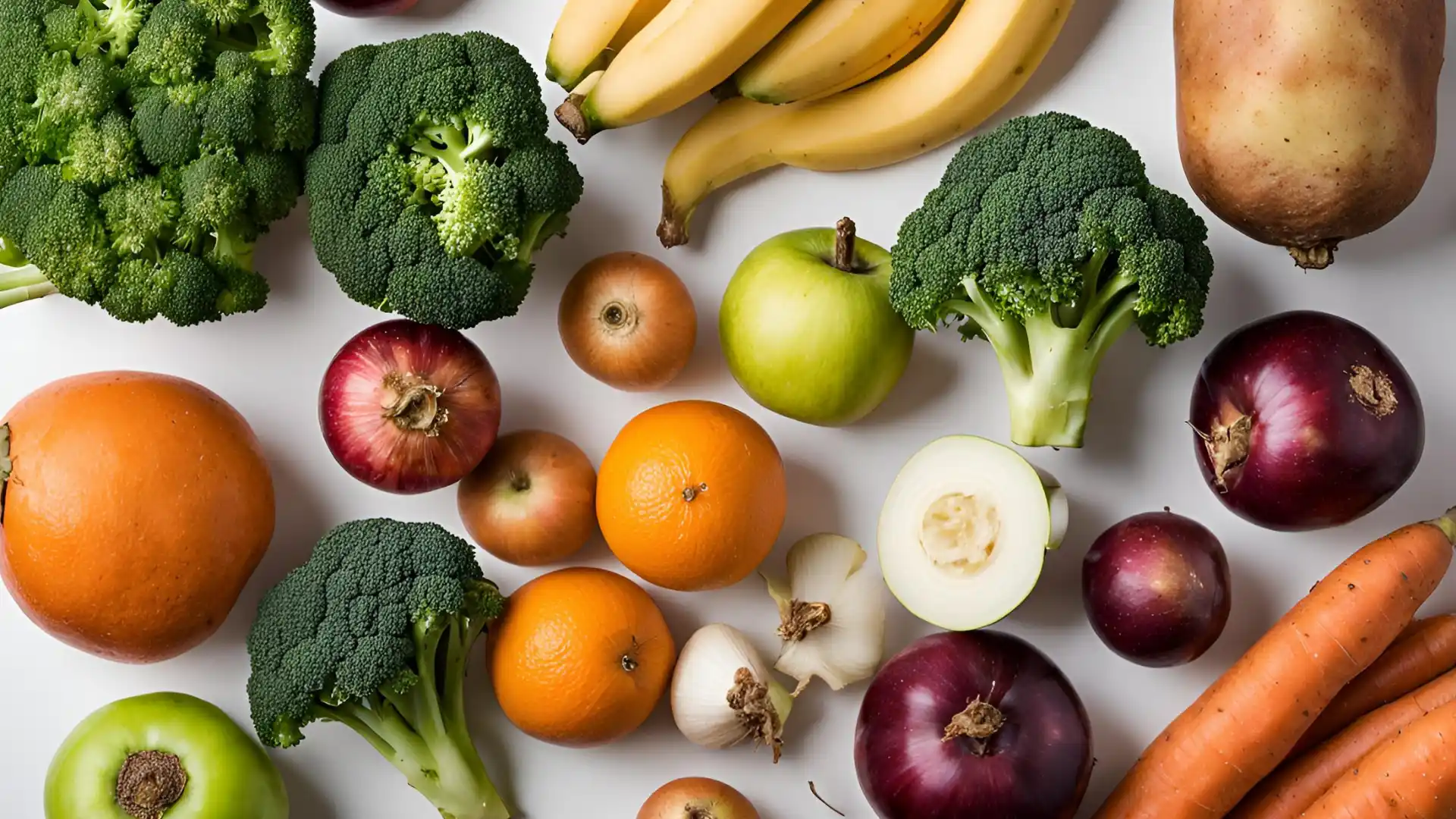
Want to try the F-factor diet plan without spending a dime? It's all about using what you already have in your kitchen and making smarter food choices. This approach lets you enjoy the benefits of a high-fiber diet without breaking the bank.
Diet plan grocery list
Diet plan overview
The F-factor diet plan for free lets you enjoy the benefits of a high-fiber diet without spending extra money. It focuses on using what you already have and making smarter food choices.
This approach helps you eat healthier on a budget. It's a cost-effective way to improve your diet and well-being.
Foods to eat
- Home-cooked Meals: Simple recipes using whole foods like vegetables, grains, and proteins.
- Seasonal Produce: Fruits and vegetables that are in season and often more affordable.
- Legumes: Dried beans, lentils, and peas that are cost-effective and high in fiber.
- Bulk Grains: Buying oats, brown rice, and quinoa in bulk to save money.
- Homemade Snacks: Preparing snacks like air-popped popcorn, veggie sticks, and homemade granola.
Tip
Make bulk purchases of dried beans and lentils, they're cheap, high in fiber, and last a long time.
Foods not to eat
- Convenience Foods: Pre-packaged meals and snacks that are often more expensive and less nutritious.
- Processed Snacks: Chips, crackers, and sugary bars that add to the grocery bill without much benefit.
- Sugary Beverages: Sodas, energy drinks, and sweetened coffees that can be costly and unhealthy.
- Restaurant Meals: Eating out frequently, which can be expensive and less healthy.
- Brand-name Products: Opting for generic or store brands can save money without sacrificing quality.
Main benefits
The F-factor diet plan for free is budget-friendly, allowing you to eat healthily without spending extra money. It encourages the use of whole, fiber-rich foods that are often more affordable and filling. This plan also helps reduce food waste by making smarter, more economical food choices.
How to budget on this diet plan
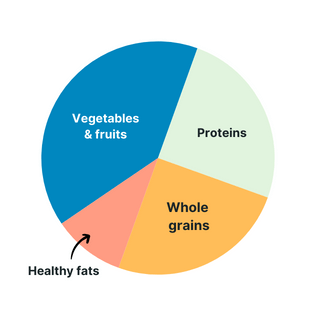
With the F-factor diet plan for free, utilize what you already have in your pantry and fridge before buying new items. Focus on simple, whole foods like grains, beans, and seasonal vegetables that are often affordable. Grow your own herbs or vegetables if you have the space, which can be a fun and cost-saving activity. Swap meals with friends or family to add variety to your diet without additional cost.
Meal plan suggestion
Day 1
- Breakfast: Rolled oats with bananas and flaxseeds
- Lunch: Quinoa salad with spinach, bell peppers, and black beans
- Dinner: Baked chicken thighs with roasted carrots and brown rice
- Snack: Apple slices with peanuts
- Calories 🔥: 1,500 Fat 💧: 45g Carbs 🌾: 180g Protein 🥩: 100g
Day 2
- Breakfast: Whole wheat bread with avocado and a poached egg
- Lunch: Lentil soup with carrots and kale
- Dinner: Grilled tilapia with sweet potatoes and zucchini
- Snack: Orange and a handful of sunflower seeds
- Calories 🔥: 1,600 Fat 💧: 50g Carbs 🌾: 170g Protein 🥩: 110g
Day 3
- Breakfast: Smoothie with skim milk, strawberries, and flaxseeds
- Lunch: Chickpea and spinach salad with garlic and lemon dressing
- Dinner: Ground turkey stir-fry with bell peppers and brown rice
- Snack: Cottage cheese with blueberries
- Calories 🔥: 1,550 Fat 💧: 48g Carbs 🌾: 160g Protein 🥩: 105g
Day 4
- Breakfast: Greek yogurt with chia seeds and bananas
- Lunch: Spinach salad with grilled chicken, tomatoes, and carrots
- Dinner: Baked salmon with roasted cauliflower and quinoa
- Snack: Apple slices with peanut butter
- Calories 🔥: 1,650 Fat 💧: 52g Carbs 🌾: 175g Protein 🥩: 115g
Day 5
- Breakfast: Rolled oats with flaxseeds, strawberries, and almonds
- Lunch: Kale and lentil salad with bell peppers and quinoa
- Dinner: Grilled chicken thighs with sweet potatoes and steamed broccoli
- Snack: Orange slices with a handful of sunflower seeds
- Calories 🔥: 1,600 Fat 💧: 50g Carbs 🌾: 165g Protein 🥩: 110g
Day 6
- Breakfast: Smoothie with olive oil, spinach, and strawberries
- Lunch: Broccoli and chickpea salad with tomatoes and quinoa
- Dinner: Grilled chicken thighs with brown rice and bell peppers
- Snack: Greek yogurt with flaxseeds
- Calories 🔥: 1,570 Fat 💧: 48g Carbs 🌾: 170g Protein 🥩: 108g
Day 7
- Breakfast: Whole wheat bread with avocado and poached eggs
- Lunch: Quinoa salad with kale, bell peppers, and black beans
- Dinner: Grilled lean beef with roasted carrots and sweet potatoes
- Snack: Orange and a handful of peanuts
- Calories 🔥: 1,580 Fat 💧: 49g Carbs 🌾: 172g Protein 🥩: 110g
These nutritional values are approximate and can vary slightly based on specific portion sizes and preparation methods.
Want to learn more?
Keep in mind
Other diet plans
-

Carnivore diet plan for diabetics
This diet plan on the carnivore diet for diabetic individuals is quite low on carbs while approximating almost 100 percent in protein and fats. This helps to control blood sugar levels. Avoiding sugars and most of carbs can make it possible to have diabetes well under control. It is a radical but straightforward dietary intervention which should be done with supervision and guidance from health practitioners.
-

Carnivore diet plan for healthy eating
Healthy eating in the carnivore diet plan comprises a range of nutrient-dense sourced meats, such as organs and bone broths, which contain critical vitamins and minerals. It aims to eliminate inflammatory reactions, which are characteristic of some lifestyle diseases, and cut back the diet to essential nutrients. It may seem limiting, however, it facilitates looking deeper into the quality of every piece of meat cuisine.
-

Carnivore diet plan for beginners
The following carnivore beginner’s plan is especially intended for those who are new to the carnivore way of life. It begins by eating only meat instead of animal-based foods. Just after a few weeks or so, start introducing other types of food, such as fish, poultry, and organ meat. No complicated steps involved - learn the basics of meat preparation and accommodate a new food pattern.