
Gut health meal plan
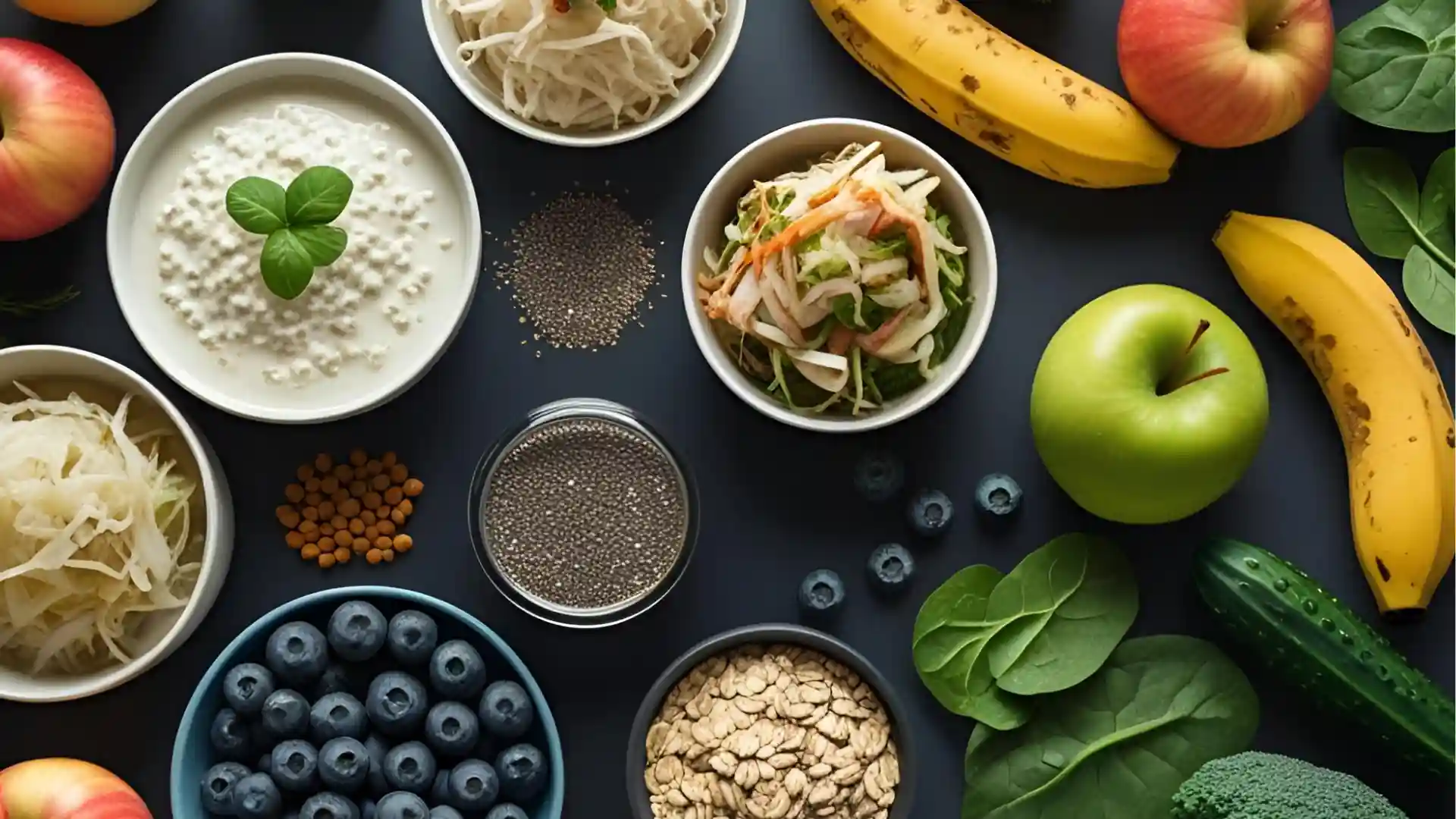
Support your digestion with our gut health meal plan. Packed with fiber, probiotics, and anti-inflammatory ingredients, this plan is designed to nurture your microbiome and promote a balanced digestive system.
Meal plan grocery list
 Dairy & eggs
 Cans & jars
 Plant based
 Beverages
 Dry goods
 Fresh grocery
 Spices & sauces
Meal plan overview
Strengthen your digestion with the gut health meal plan. This plan features fiber-rich foods, probiotics, and anti-inflammatory ingredients to support a balanced microbiome.
Perfect for anyone seeking to reduce bloating and improve gut function. Enjoy meals that are both soothing and satisfying for your digestive system.

Foods to eat
- Fermented foods: Include yogurt, kefir, sauerkraut, and kimchi to boost gut flora.
- Prebiotic fiber: Eat oats, bananas, garlic, and onions to feed beneficial bacteria.
- Legumes: Add chickpeas, lentils, and beans for fiber and gut-nourishing nutrients.
- Whole grains: Choose brown rice, quinoa, and oats to support digestion.
- Leafy greens: Use spinach, kale, and broccoli for fiber and antioxidants.
- Healthy fats: Opt for avocado, olive oil, and nuts to reduce inflammation.
Tip
Add fermented foods like kefir and sauerkraut to improve digestion and strengthen your gut microbiome naturally.
Foods not to eat
- Artificial sweeteners: Avoid sucralose, aspartame, and sugar alcohols that may disrupt gut flora.
- Highly processed foods: Cut back on packaged snacks and ready meals.
- Fried foods: Eliminate greasy options that can irritate the digestive system.
- Red meat excess: Limit large portions of red meat which may reduce microbial diversity.
- Alcohol: Reduce consumption to protect gut lining and balance.
- Carbonated drinks: Avoid soda and fizzy drinks that can cause bloating.
Read more about key products


Main benefits
The gut health meal plan is designed to improve digestion and support a balanced microbiome. Fermented foods and fiber-rich ingredients promote good bacteria. Anti-inflammatory vegetables and healthy fats help reduce bloating and discomfort. The plan offers lasting gut support through whole, natural foods.
How to budget on this meal plan
Choose affordable gut-friendly foods like oats, carrots, and bananas. Make your own fermented items like sauerkraut or kefir at home. Buy dry legumes and whole grains in bulk. Shop for seasonal vegetables and freeze extras to use later in smoothies or soups.
Packed with vitamins, minerals, and antioxidants:


Extra tips
Any healthy snack ideas?
Support your gut with these nourishing snacks:
- Kefir smoothie with banana
- Greek yogurt with chia seeds
- Carrot sticks with hummus
- Apple slices with almond butter
- Homemade sauerkraut in a small bowl
- Oats with blueberries and flaxseed
- Roasted chickpeas
What should I drink on this meal plan?
Drink plenty of water to support digestion and regularity. Herbal teas like peppermint or ginger can soothe the gut. Add lemon or apple cider vinegar to water for a natural digestive boost. Avoid carbonated and sugary drinks that may disrupt your microbiome. Broth-based soups can provide both hydration and nutrients.
How to get even more nutrients?
Incorporate more fermented foods like kefir and kimchi to increase beneficial bacteria. Add prebiotic-rich vegetables like asparagus and leeks. Include a mix of plant proteins from chickpeas and lentils. Use a variety of colorful fruits and vegetables to provide antioxidants and fiber. Drink water with meals to support nutrient absorption and gut motility.
Meal plan suggestion
Day 1
- Breakfast: Oats with kefir, chia seeds, and blueberries
- Lunch: Lentil and spinach salad with olive oil, garlic, and ginger dressing
- Dinner: Quinoa bowl with roasted broccoli, carrots, and tempeh
- Snack: Greek yogurt with ground flaxseed and raspberries
- Calories 🔥: 1850 Fat 💧: 68g Carbs 🌾: 190g Protein 🥩: 95g
Day 2
- Breakfast: Chia seed pudding with almond milk, banana slices, and almonds
- Lunch: Brown rice with kimchi, sautéed kale, and tempeh
- Dinner: Sweet potato stew with chickpeas, garlic, and ginger
- Snack: Sauerkraut and cucumber slices with avocado mash
- Calories 🔥: 1900 Fat 💧: 72g Carbs 🌾: 195g Protein 🥩: 92g
Day 3
- Breakfast: Oats with miso paste (savory), spinach, and soft-boiled egg (if allowed)
- Lunch: Chickpea salad with cucumbers, carrots, garlic, olive oil, and lemon
- Dinner: Quinoa stir-fry with broccoli, tempeh, and ginger
- Snack: Greek yogurt with apple slices and flaxseed
- Calories 🔥: 1800 Fat 💧: 65g Carbs 🌾: 185g Protein 🥩: 90g
Day 4
- Breakfast: Kefir smoothie with banana, spinach, and chia seeds
- Lunch: Brown rice with lentils, steamed kale, and sauerkraut
- Dinner: Sweet potato mash with roasted broccoli, carrots, and miso-glazed tempeh
- Snack: Kombucha and a handful of almonds
- Calories 🔥: 1900 Fat 💧: 70g Carbs 🌾: 200g Protein 🥩: 88g
Day 5
- Breakfast: Greek yogurt with ground flaxseed, raspberries, and a drizzle of olive oil
- Lunch: Chickpea and kale salad with garlic-ginger dressing
- Dinner: Quinoa pilaf with tempeh, sweet potatoes, and miso dressing
- Snack: Apple slices with kefir and cinnamon (optional)
- Calories 🔥: 1850 Fat 💧: 68g Carbs 🌾: 190g Protein 🥩: 90g
Day 6
- Breakfast: Chia and oat mix with almond milk, banana, and blueberries
- Lunch: Brown rice with tempeh, sautéed broccoli, and kimchi
- Dinner: Lentil stew with carrots, garlic, ginger, and spinach
- Snack: Green tea and avocado on cucumber slices
- Calories 🔥: 1900 Fat 💧: 70g Carbs 🌾: 195g Protein 🥩: 93g
Day 7
- Breakfast: Greek yogurt with chia seeds, flaxseed, and blueberries
- Lunch: Quinoa salad with chickpeas, cucumbers, spinach, and olive oil dressing
- Dinner: Sweet potato and kale hash with miso and garlic-roasted tempeh
- Snack: Kombucha with almonds and apple slices
- Calories 🔥: 1850 Fat 💧: 68g Carbs 🌾: 188g Protein 🥩: 90g
These nutritional values are approximate and can vary slightly based on specific portion sizes and preparation methods.
Want to learn more?
Keep in mind
Other meal plans
-

7-day Meal Plan For Mediterranean Diet
Embarking on a Mediterranean journey? You're in for a treat! Discover the secrets of a 7-day Mediterranean diet meal plan and how it can invigorate your health. This article will guide you through a flavorful world of nutritious foods and show you how to turn these meals into an efficient shopping list. Let's set sail!
-

7-day Meal Plan For Weight Loss
Ready to kickstart your weight loss journey? A 7-day meal plan tailored for weight loss could be your golden ticket. In this article, we'll explore how to craft a weight loss meal plan that's both delicious and effective for shedding pounds, plus tips on transforming it into a smart shopping list. Time to get excited about your health goals!
-

7-day Meal Plan For Diabetics
Managing diabetes with diet doesn't have to be daunting. Learn how a 7-day meal plan can help control your blood sugar and improve overall health. We'll guide you through creating diabetic-friendly meals and turning them into a simple shopping list. Let's make healthy eating a breeze!