
Healthy snack diet plan for muscle gain
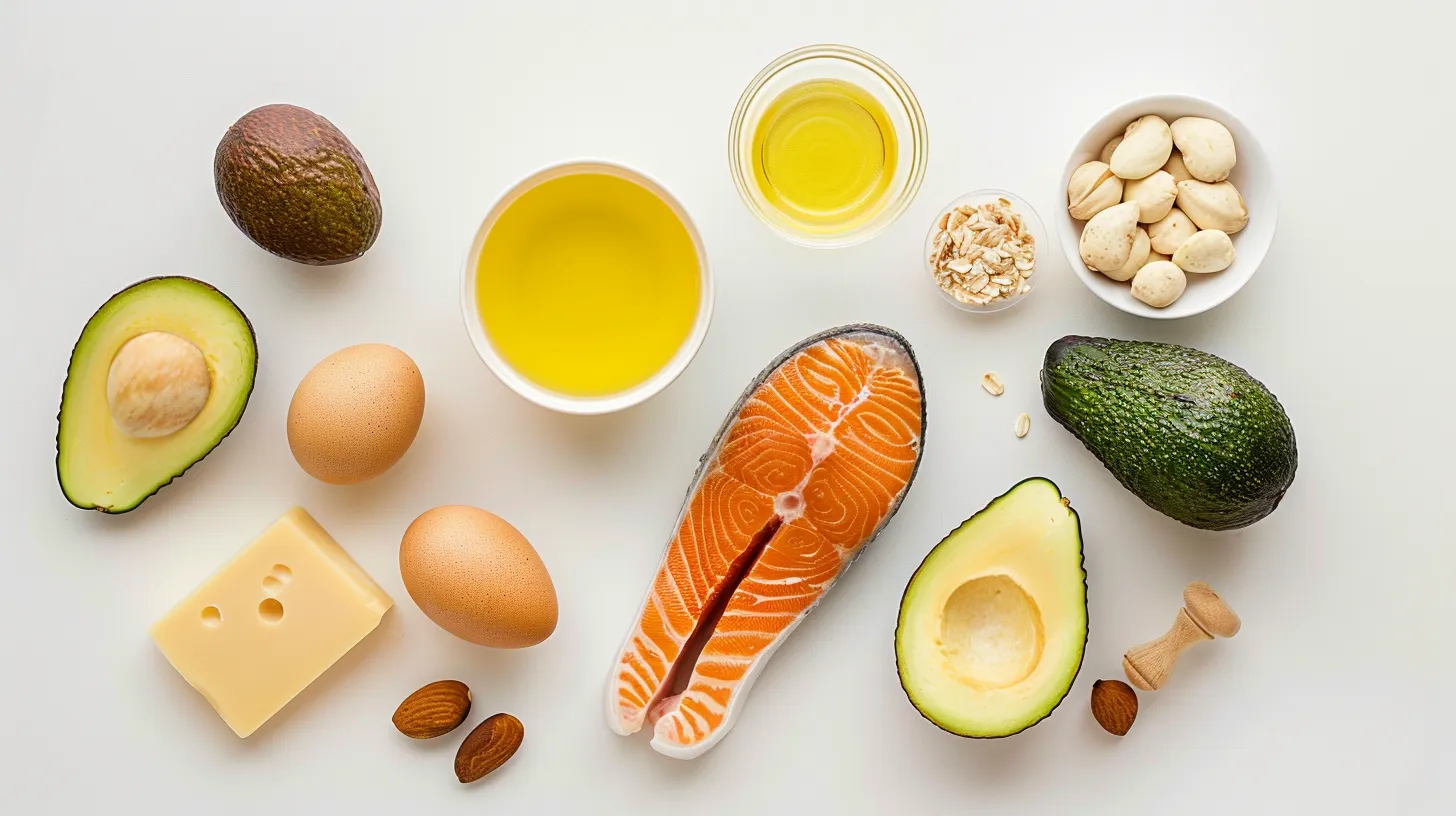
Building muscle isn't just about hitting the gym, what you eat matters, too. This snack plan is designed for those looking to boost their protein intake and fuel their workouts. Discover snacks that help you build strength and recover faster, without feeling like you’re eating the same thing over and over again.
Diet plan grocery list
Diet plan overview
A healthy snack diet plan for muscle gain focuses on protein-rich snacks to support muscle repair and growth. Consider snacks like Greek yogurt with nuts, protein shakes, or a hard-boiled egg. These options provide the necessary protein and healthy fats needed to build and maintain muscle mass.
Adding complex carbs is also important, so try whole-grain crackers with a spread of almond butter or a banana. Keeping a balance of protein and carbs helps replenish energy and supports muscle recovery after workouts. Stay consistent with high-protein snacks to maximize your muscle gain efforts.
Foods to eat
- Lean Protein: Chicken breast, turkey slices, and lean beef jerky for muscle repair and growth.
- Greek Yogurt: High in protein and perfect for a post-workout snack.
- Nut Butters: Almond butter, peanut butter, and cashew butter for healthy fats and protein.
- Protein Shakes: Made with whey or plant-based protein powder for a quick and easy boost.
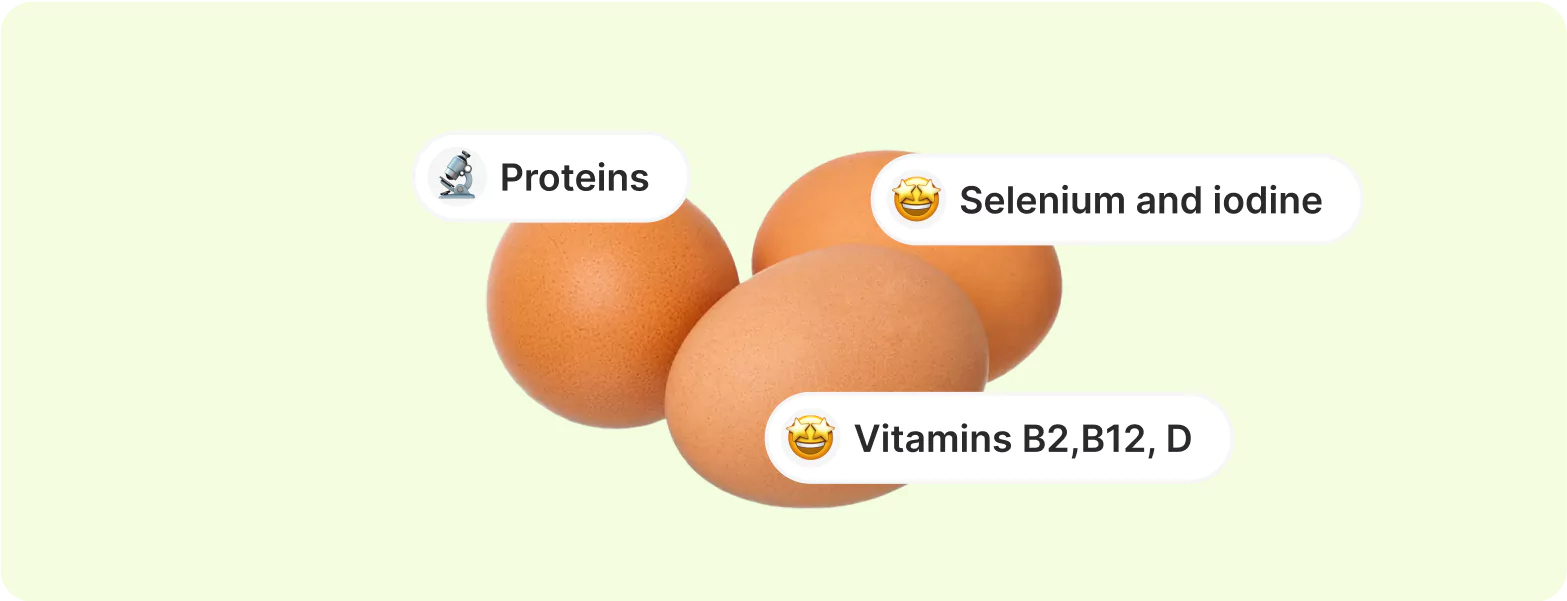
- Hard-Boiled Eggs: Packed with protein and easy to prepare in advance.
Tip
Snack on hard-boiled eggs with a sprinkle of hemp seeds to boost your protein intake with healthy fats.
Foods not to eat
- Low-Protein Snacks: Chips, pretzels, and rice cakes, which do not provide enough protein for muscle building.
- Sugary Snacks: Candy, sweets, and baked goods that can add empty calories.
- Sugary Drinks: Soda, sweetened coffee, and energy drinks that can lead to fat gain rather than muscle.
- High-Sodium Foods: Processed meats and salted nuts, which can lead to bloating.
- Alcohol: Can interfere with muscle recovery and add unnecessary calories.
Main benefits
Implementing a healthy snack diet plan for muscle gain can help maintain muscle protein synthesis throughout the day, supporting muscle growth. This diet can also enhance muscle recovery by providing essential nutrients needed post-exercise. It may prevent muscle catabolism by supplying steady protein sources between meals. Additionally, it can boost energy levels for more effective workouts.

How to budget on this diet plan
Focus on affordable protein sources like boiled eggs and Greek yogurt. These can be cheaper than protein bars and provide the nutrients you need. Nuts and seeds bought in bulk also make great, cost-effective muscle-building snacks.
Canned fish like tuna or salmon can be a wallet-friendly protein option. For variety, look for sales on lean meats or plant-based protein sources and freeze portions to stretch your budget further.
Meal plan suggestion
These nutritional values are approximate and can vary slightly based on specific portion sizes and preparation methods.
Want to learn more?
Keep in mind
Other diet plans
-

Carnivore diet plan for diabetics
This diet plan on the carnivore diet for diabetic individuals is quite low on carbs while approximating almost 100 percent in protein and fats. This helps to control blood sugar levels. Avoiding sugars and most of carbs can make it possible to have diabetes well under control. It is a radical but straightforward dietary intervention which should be done with supervision and guidance from health practitioners.
-

Carnivore diet plan for healthy eating
Healthy eating in the carnivore diet plan comprises a range of nutrient-dense sourced meats, such as organs and bone broths, which contain critical vitamins and minerals. It aims to eliminate inflammatory reactions, which are characteristic of some lifestyle diseases, and cut back the diet to essential nutrients. It may seem limiting, however, it facilitates looking deeper into the quality of every piece of meat cuisine.
-

Carnivore diet plan for beginners
The following carnivore beginner’s plan is especially intended for those who are new to the carnivore way of life. It begins by eating only meat instead of animal-based foods. Just after a few weeks or so, start introducing other types of food, such as fish, poultry, and organ meat. No complicated steps involved - learn the basics of meat preparation and accommodate a new food pattern.