
Heart-healthy diet plan for anemia
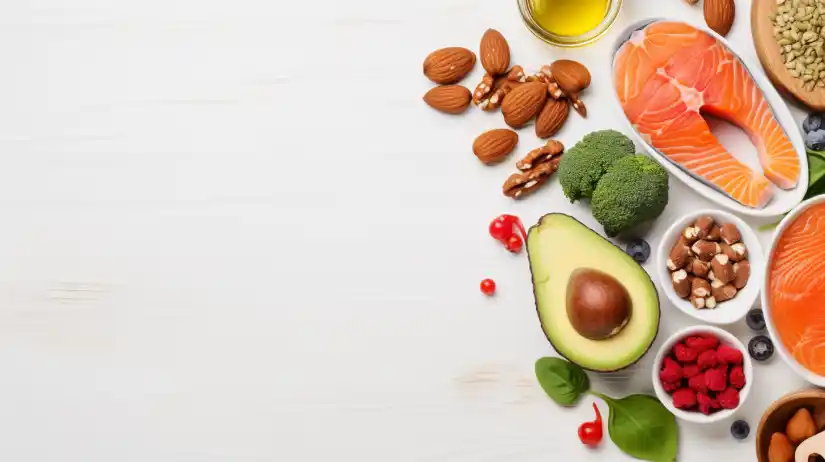
Balancing anemia and heart health can be tricky, but a heart-healthy diet makes it easier. This plan features nutrient-rich foods that support your iron levels and boost your heart health at the same time. Enjoy meals that help manage anemia while taking great care of your heart.
Diet plan grocery list
Diet plan overview
The heart-healthy diet plan for anemia is tailored to boost your iron levels while supporting heart health. This plan features iron-rich foods that also benefit your heart, helping to manage anemia effectively. It’s about enjoying meals that address anemia and promote overall heart wellness.
Balancing anemia and heart health can be simple and tasty. With the right foods, you can enhance your iron intake and take excellent care of your heart.
Foods to eat
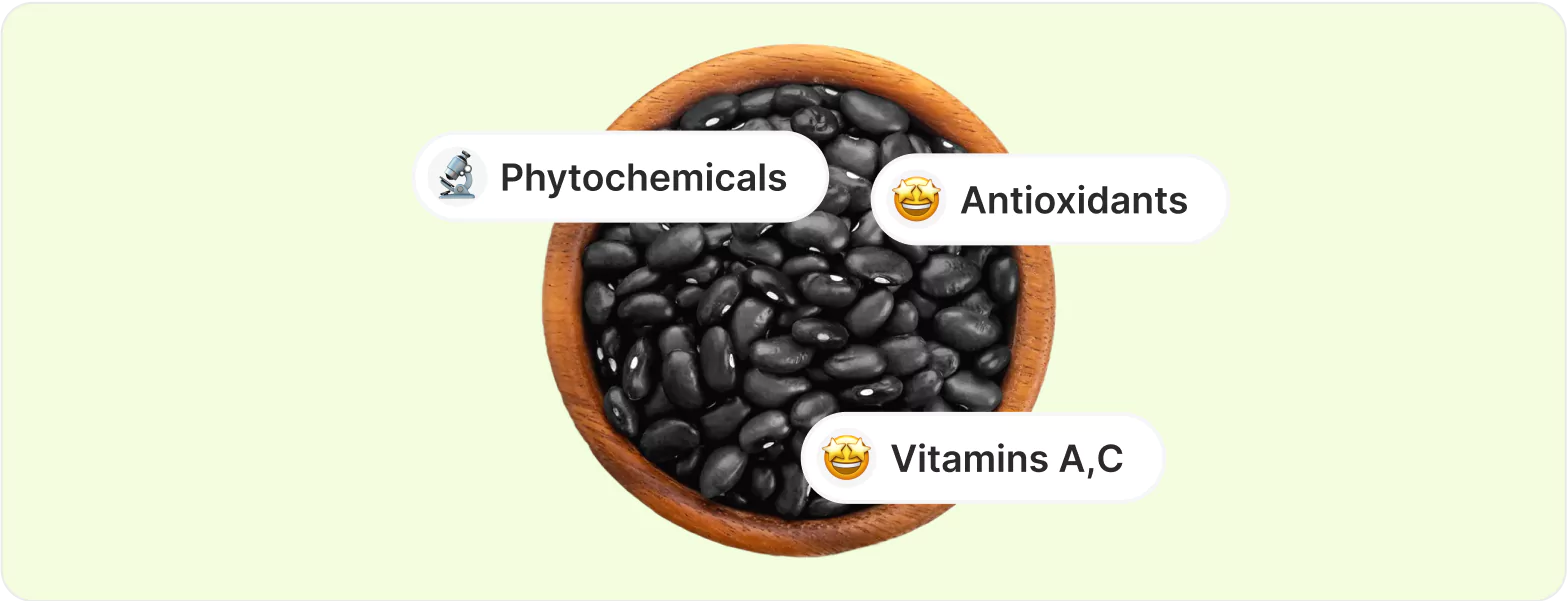
- Iron-Rich Foods: Lean red meat, turkey, and legumes provide essential iron to combat anemia.
- Vitamin C-Rich Foods: Oranges, bell peppers, and strawberries help enhance iron absorption.
- Leafy Greens: Spinach, kale, and Swiss chard are good sources of non-heme iron.
- Fortified Cereals: Whole grain cereals fortified with iron can help boost your iron intake.
- Nuts and Seeds: Pumpkin seeds, cashews, and almonds provide a mix of iron and healthy fats.
Tip
Pair iron-rich foods like spinach with vitamin C-rich foods like bell peppers to maximize iron absorption and support heart health.
Foods not to eat
- Dairy Products: Milk, cheese, and yogurt can inhibit iron absorption if consumed in large quantities with iron-rich meals.
- High-Tannin Foods: Tea, coffee, and some red wines can reduce the absorption of non-heme iron.
- Calcium Supplements: Large doses of calcium can interfere with iron absorption and should be taken separately.
- Refined Grains: White bread and pasta are less nutrient-dense and can crowd out more iron-rich options.
- Foods High in Phytates: Whole grains and legumes are good in moderation but can inhibit iron absorption if not properly prepared.
Main benefits
The heart-healthy diet plan for anemia boosts iron absorption through foods rich in vitamin C and heme iron. It supports increased hemoglobin production, improving oxygen transport in the blood. This diet can enhance energy levels and reduce fatigue by providing essential nutrients. Additionally, it promotes a balanced diet that helps in managing anemia symptoms effectively.
How to budget on this diet plan
Buy iron-rich foods like canned beans and lentils in bulk to keep costs low. Opt for frozen spinach and other leafy greens, which are less expensive and last longer. Use affordable vitamin C sources like oranges and bell peppers to enhance iron absorption. Plan meals around nutrient-dense, budget-friendly staples like eggs and whole grains to support iron intake.
Meal plan suggestion
Day 1
- Breakfast: Oatmeal with apples, chia seeds, and a drizzle of honey
- Lunch: Spinach and lentil salad with bell peppers and lemon-olive oil dressing
- Dinner: Grilled chicken liver with quinoa and steamed broccoli
- Snack: Orange slices with a handful of almonds
- Calories 🔥: 1550 Fat 💧: 55g Carbs 🌾: 175g Protein 🥩: 85g
Day 2
- Breakfast: Smoothie with spinach, berries, and low-fat yogurt
- Lunch: Swiss chard and tofu bowl with diced bell peppers and fresh tomatoes
- Dinner: Baked salmon with brown rice and roasted beets
- Snack: Apple slices with a handful of sunflower seeds
- Calories 🔥: 1500 Fat 💧: 52g Carbs 🌾: 170g Protein 🥩: 82g
Day 3
- Breakfast: Whole grain toast topped with avocado and a side of berries
- Lunch: Kale and lean beef salad with lemon vinaigrette
- Dinner: Stir-fried tofu with bell peppers and quinoa
- Snack: Banana with a handful of pumpkin seeds
- Calories 🔥: 1580 Fat 💧: 54g Carbs 🌾: 178g Protein 🥩: 85g
Day 4
- Breakfast: Smoothie bowl with low-fat yogurt, banana, and chia seeds
- Lunch: Spinach and chickpea salad with diced tomatoes and avocado
- Dinner: Grilled lean beef with roasted sweet potatoes and steamed broccoli
- Snack: Sliced apples with a handful of walnuts
- Calories 🔥: 1520 Fat 💧: 50g Carbs 🌾: 172g Protein 🥩: 84g
Day 5
- Breakfast: Oatmeal with apples, flaxseeds, and skim milk
- Lunch: Brown rice and lentil bowl with sautéed bell peppers and garlic
- Dinner: Baked salmon with quinoa and a side of garlic sautéed kale
- Snack: Mixed berries with a handful of almonds
- Calories 🔥: 1550 Fat 💧: 56g Carbs 🌾: 175g Protein 🥩: 85g
Day 6
- Breakfast: Smoothie with spinach, banana, and flaxseeds
- Lunch: Quinoa and black bean salad with diced tomatoes and fresh cilantro
- Dinner: Grilled chicken liver with brown rice and steamed broccoli
- Snack: Orange slices with a handful of walnuts
- Calories 🔥: 1500 Fat 💧: 52g Carbs 🌾: 170g Protein 🥩: 82g
Day 7
- Breakfast: Whole grain toast with almond butter and sliced bananas
- Lunch: Spinach and lentil salad with diced tomatoes and olive oil dressing
- Dinner: Baked tofu with brown rice and steamed Swiss chard
- Snack: Apple slices with a handful of sunflower seeds
- Calories 🔥: 1500 Fat 💧: 52g Carbs 🌾: 170g Protein 🥩: 82g
These nutritional values are approximate and can vary slightly based on specific portion sizes and preparation methods.
Want to learn more?
Keep in mind
Other diet plans
-

Carnivore diet plan for diabetics
This diet plan on the carnivore diet for diabetic individuals is quite low on carbs while approximating almost 100 percent in protein and fats. This helps to control blood sugar levels. Avoiding sugars and most of carbs can make it possible to have diabetes well under control. It is a radical but straightforward dietary intervention which should be done with supervision and guidance from health practitioners.
-

Carnivore diet plan for healthy eating
Healthy eating in the carnivore diet plan comprises a range of nutrient-dense sourced meats, such as organs and bone broths, which contain critical vitamins and minerals. It aims to eliminate inflammatory reactions, which are characteristic of some lifestyle diseases, and cut back the diet to essential nutrients. It may seem limiting, however, it facilitates looking deeper into the quality of every piece of meat cuisine.
-

Carnivore diet plan for beginners
The following carnivore beginner’s plan is especially intended for those who are new to the carnivore way of life. It begins by eating only meat instead of animal-based foods. Just after a few weeks or so, start introducing other types of food, such as fish, poultry, and organ meat. No complicated steps involved - learn the basics of meat preparation and accommodate a new food pattern.