
High-protein diet plan for free
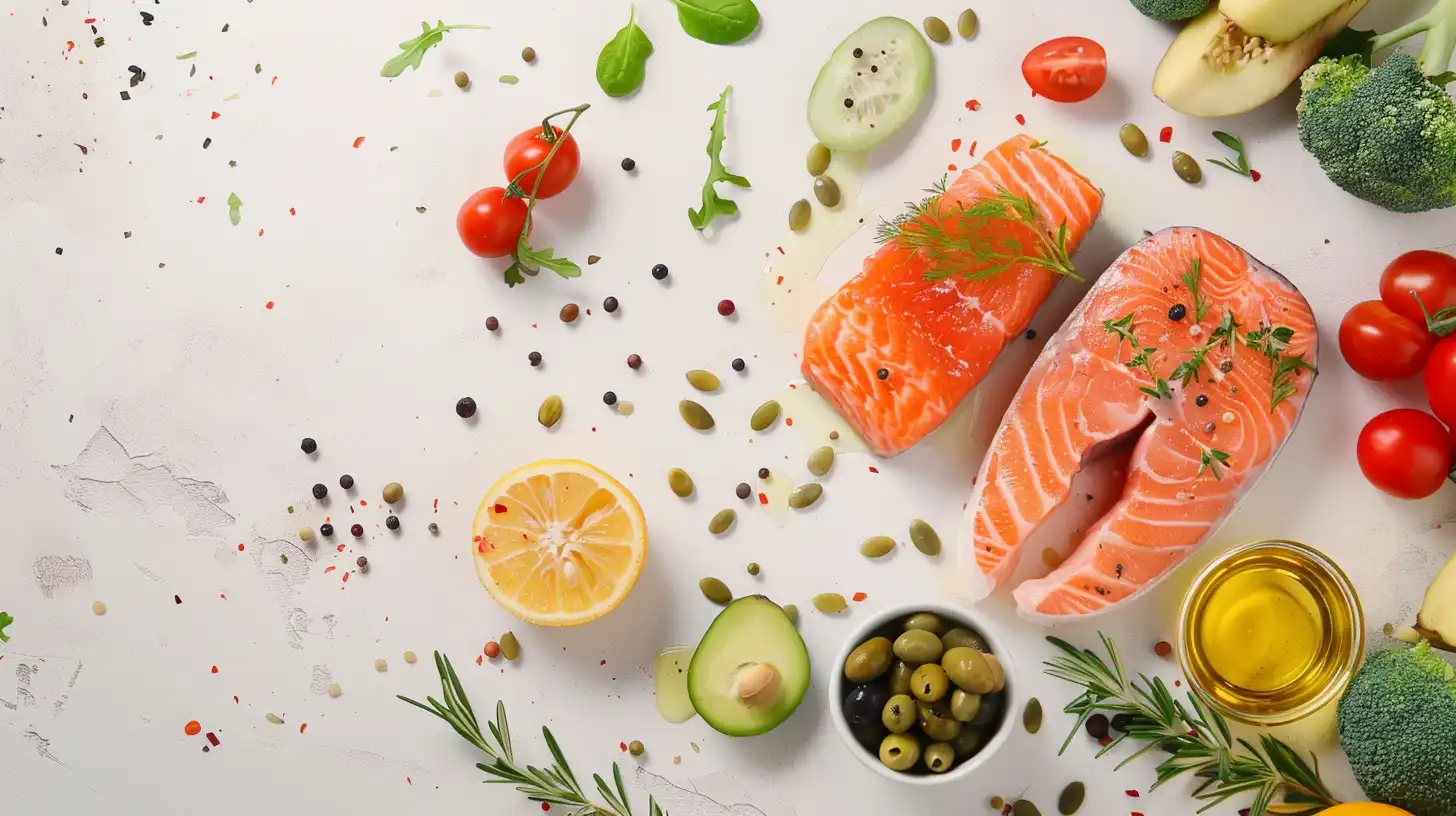
A high-protein diet boosts protein intake to enhance muscle strength and aid in weight loss by increasing satiety and burning more calories during digestion. Ideal for athletes and those looking to slim down, this diet supports muscle repair and can be adjusted to fit various dietary needs. It’s a straightforward strategy for those aiming to tone up or bulk up efficiently.
Diet plan grocery list
Diet plan overview
A high-protein diet focuses on increasing protein intake from various sources such as meat, fish, eggs, and legumes. This diet is popular among athletes and those looking to build muscle or lose fat. Protein is essential for muscle repair and growth, and it can also help curb hunger by making you feel fuller longer.
Besides muscle benefits, a high-protein diet can boost metabolism, aiding in faster weight loss. When adopting this diet, it’s important to balance protein with healthy fats and carbohydrates to maintain overall health.
Foods to eat
- Lean Meats: Chicken breast, turkey, and lean cuts of beef and pork.
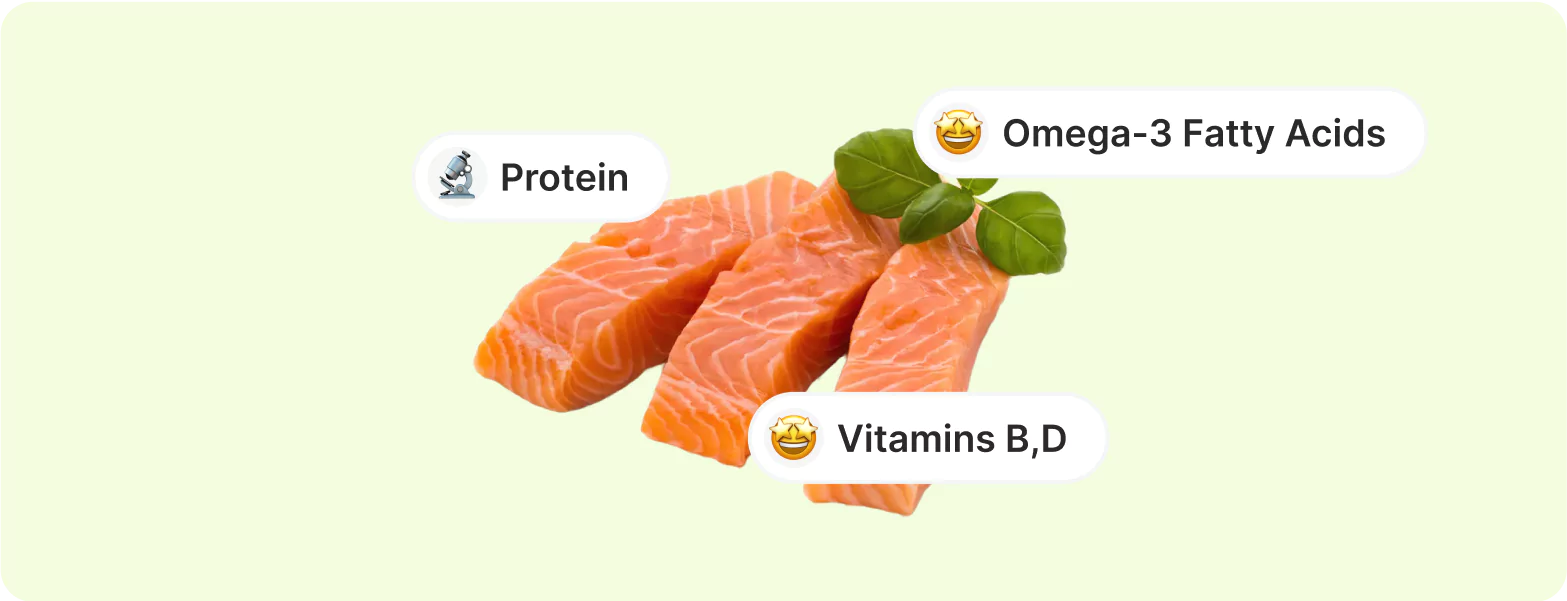
- Seafood: Tuna, salmon, shrimp, and other high-protein fish.
- Dairy Products: Greek yogurt, cottage cheese, and hard cheeses.
- Eggs: Whole eggs are a good source of protein and nutrients.
- Legumes: Beans, lentils, and chickpeas as plant-based protein sources.
Tip
To maximize the benefits of a high-protein diet, include a variety of protein sources such as lean meats, fish, eggs, and plant-based proteins like beans and lentils to ensure a broad range of nutrients.
Foods not to eat
- Processed Meats: Sausages, hot dogs, and processed deli meats.
- High-Fat Dairy: Full-fat milk, cream, and soft cheeses.
- Sugary Snacks: Cakes, cookies, and other high-sugar desserts.
- Deep-Fried Foods: Fried chicken, French fries, and other fried items.
- Refined Carbs: White bread, pasta, and pastries.
Main benefits
The high-protein diet plan can help accelerate metabolism and increase satiety, which aids in weight management. By focusing on proteins, it supports muscle repair and growth, crucial for those engaging in regular physical activity. This diet also aids in maintaining bone health and reducing cravings by stabilizing blood sugar levels.
How to budget on this diet plan
Buy eggs, cottage cheese, and other dairy products in bulk as foundational sources of high-quality protein that don't break the bank. Consider using canned fish like tuna or salmon for meals or snacks, which provides a quick, affordable, and efficient protein boost. Use legumes such as lentils and chickpeas as fillers in salads, stews, and soups to increase protein intake economically.
Meal plan suggestion
Day 1
- Breakfast: Greek yogurt mixed with chia seeds and almond slices
- Lunch: Grilled chicken breast salad with quinoa and black beans
- Dinner: Seared salmon with a side of steamed edamame
- Snack: Cottage cheese with hemp seeds
Day 2
- Breakfast: Scrambled eggs with diced turkey and Swiss cheese
- Lunch: Tuna salad stuffed in tomatoes with a sprinkle of mozzarella cheese
- Dinner: Lean beef stir-fry with broccoli and tofu
- Snack: A handful of almonds
Day 3
- Breakfast: Skyr with fresh blackberries and almond butter
- Lunch: Bison burgers with a side of chickpea salad
- Dinner: Grilled mackerel with a lentil pilaf
- Snack: Hard-boiled eggs
Day 4
- Breakfast: Protein shake made with whey protein powder, milk, and peanut butter
- Lunch: Grilled shrimp over a bed of quinoa and spinach
- Dinner: Roasted turkey with steamed green beans and tempeh
- Snack: Greek yogurt topped with sliced almonds
Day 5
- Breakfast: Cottage cheese pancakes topped with honey and chia seeds
- Lunch: Grilled cod with a black bean and corn salad
- Dinner: Venison steak with a side of roasted chickpeas
- Snack: Sardines on whole-grain crackers
Day 6
- Breakfast: Omelette with spinach, mozzarella, and diced ham
- Lunch: Lentil soup with shredded chicken and hemp seeds
- Dinner: Pork loin roasted with a side of sautéed kale and tempeh
- Snack: Skyr with ground flaxseed
Day 7
- Breakfast: Smoothie with Greek yogurt, berries, and whey protein powder
- Lunch: Grilled salmon and edamame salad
- Dinner: Ground turkey meatballs with quinoa and steamed vegetables
- Snack: A scoop of peanut butter with celery sticks
Want to learn more?
Keep in mind
Other diet plans
-

Carnivore diet plan for diabetics
This diet plan on the carnivore diet for diabetic individuals is quite low on carbs while approximating almost 100 percent in protein and fats. This helps to control blood sugar levels. Avoiding sugars and most of carbs can make it possible to have diabetes well under control. It is a radical but straightforward dietary intervention which should be done with supervision and guidance from health practitioners.
-

Carnivore diet plan for healthy eating
Healthy eating in the carnivore diet plan comprises a range of nutrient-dense sourced meats, such as organs and bone broths, which contain critical vitamins and minerals. It aims to eliminate inflammatory reactions, which are characteristic of some lifestyle diseases, and cut back the diet to essential nutrients. It may seem limiting, however, it facilitates looking deeper into the quality of every piece of meat cuisine.
-

Carnivore diet plan for beginners
The following carnivore beginner’s plan is especially intended for those who are new to the carnivore way of life. It begins by eating only meat instead of animal-based foods. Just after a few weeks or so, start introducing other types of food, such as fish, poultry, and organ meat. No complicated steps involved - learn the basics of meat preparation and accommodate a new food pattern.