
High-protein diet plan for intermittent fasting

Combining high-protein meals with intermittent fasting can enhance muscle retention and fat loss during your eating windows. This plan focuses on quality protein sources like chicken, fish, and legumes, packed into nutritious meals to help sustain you through fasting periods. It’s all about maximizing nutrition in fewer meals to keep you energized and satiated.
Diet plan grocery list
Diet plan overview
The high-protein diet plan for intermittent fasting combines the benefits of time-restricted eating with a focus on protein intake. This diet enhances muscle retention and boosts metabolism during fasting periods. By consuming high-quality protein sources like chicken, fish, beans, and tofu during eating windows, followers can maintain energy and muscle mass effectively.
This approach not only aids in weight loss but also helps in managing hunger better, making fasting intervals more manageable. It's an excellent strategy for those looking to enhance the effectiveness of their intermittent fasting routine.
Foods to eat
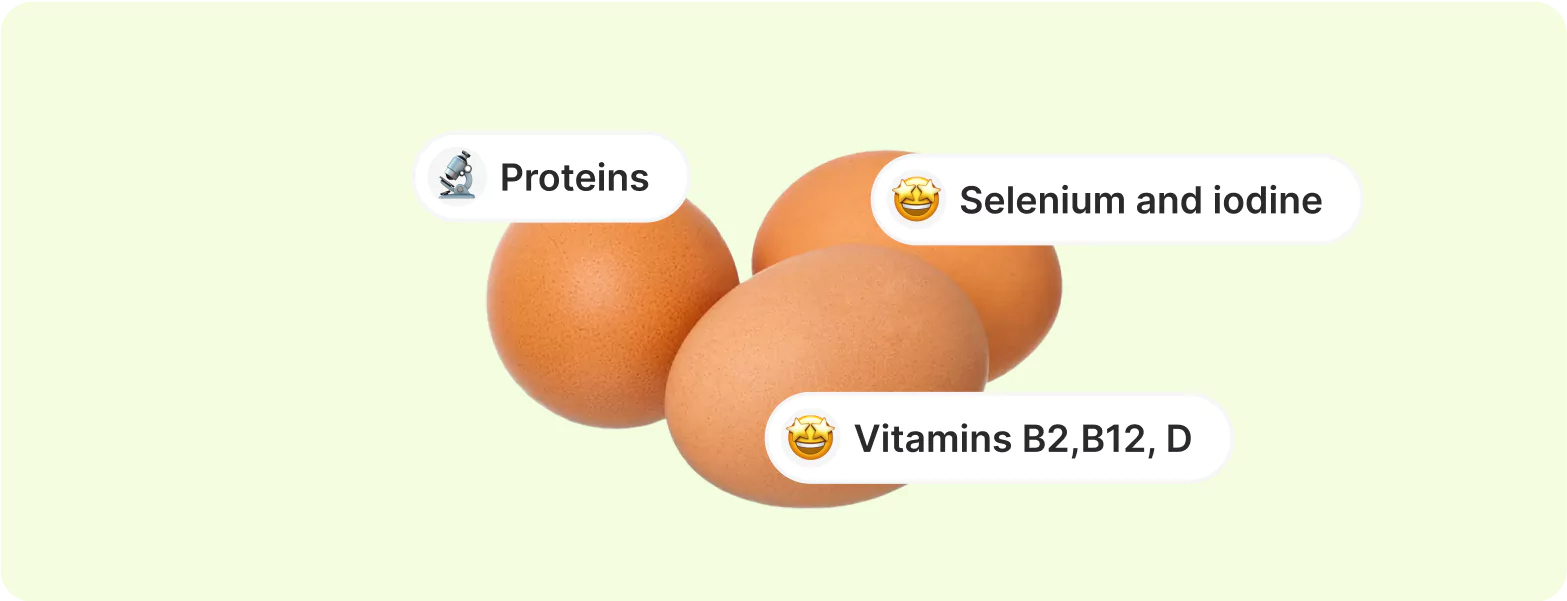
- Protein-Rich Snacks: Jerky, boiled eggs, and protein bars for quick, nutrient-dense eating during eating windows.
- Nutrient-Dense Meals: Meals packed with vegetables, lean proteins, and healthy fats to maximize satiety.
- Nuts and Seeds: Almonds, peanuts, and pumpkin seeds for healthy fats and proteins.
- Whole Grains: Quinoa, barley, and whole oats to provide sustained energy.
- Hydration: Water, herbal teas, and other non-caloric beverages during fasting periods.
Tip
During your eating windows on an intermittent fasting regimen, focus on high-protein meals that also include healthy fats and fiber to help you feel full longer and sustain energy levels throughout fasting periods.
Foods not to eat
- Caloric Beverages: Sodas, fruit juices, and other sugary drinks that could break the fast.
- Highly Processed Foods: Fast food, chips, and packaged snacks.
- Heavy Meals: Large, heavy meals that can cause discomfort during fasting periods.
- High-Sugar Foods: Confectionery, ice cream, and candies.
- Excessive Caffeine: Too much coffee or energy drinks, which may disrupt fasting benefits.
Main benefits
The high-protein diet plan for intermittent fasting enhances the benefits of fasting periods by ensuring sustained energy and minimal hunger. High protein intake during eating windows helps maintain muscle mass and promotes fuller feelings for longer. This combination is effective for fat loss while preserving lean muscle tissue.
How to budget on this diet plan
When budgeting for a high-protein diet plan in conjunction with intermittent fasting, consider investing in quality protein powders or bars which can provide a quick, nutrient-rich meal replacement during your eating windows, thus saving on cooking time and ingredients. Buying in bulk from warehouse stores or online can reduce the cost per serving, especially for meats and legumes. Additionally, planning your meals around seasonal produce and sales at local supermarkets can help align your fasting schedule with the most affordable, high-protein options available.
Meal plan suggestion
Day 1
- Breakfast: Greek yogurt with chia seeds, almond butter, and almonds
- Lunch: Grilled chicken breast with quinoa and steamed broccoli
- Dinner: Baked salmon with kale and avocado salad
- Snack: Cottage cheese with sliced walnuts
Day 2
- Breakfast: Scrambled eggs with spinach and feta cheese
- Lunch: Turkey breast wraps with hummus (made from chickpeas) and spinach
- Dinner: Lean beef stir-fry with Brussels sprouts and hemp seeds
- Snack: Protein shake with protein powder and milk
Day 3
- Breakfast: Smoothie with protein powder, Greek yogurt, and a handful of berries
- Lunch: Lentil soup with kale and chunks of pork loin
- Dinner: Grilled mackerel with sautéed spinach and avocado
- Snack: Edamame with sea salt
Day 4
- Breakfast: Omelet with eggs, cheese, and broccoli
- Lunch: Tofu and quinoa salad with pistachios and cranberries
- Dinner: Baked tuna steaks with Brussels sprouts and kale chips
- Snack: Greek yogurt topped with sliced almonds and honey
Day 5
- Breakfast: Cottage cheese pancakes with peanut butter
- Lunch: Chicken salad with avocado, chickpeas, and spinach
- Dinner: Grilled sardines with quinoa and roasted Brussels sprouts
- Snack: A handful of mixed nuts (almonds, walnuts, pistachios)
Day 6
- Breakfast: Chia pudding made with almond milk and topped with hemp seeds
- Lunch: Grilled lean beef patties with a side of sautéed kale and broccoli
- Dinner: Baked tempeh with a side of roasted Brussels sprouts and avocado
- Snack: Hard-boiled eggs
Day 7
- Breakfast: Protein smoothie with spinach, protein powder, and Greek yogurt
- Lunch: Salmon fillet with a side of edamame and avocado salad
- Dinner: Stir-fried tofu with broccoli, bell peppers, and almonds
- Snack: Tuna salad with cottage cheese
Want to learn more?
Keep in mind
Other diet plans
-

Carnivore diet plan for diabetics
This diet plan on the carnivore diet for diabetic individuals is quite low on carbs while approximating almost 100 percent in protein and fats. This helps to control blood sugar levels. Avoiding sugars and most of carbs can make it possible to have diabetes well under control. It is a radical but straightforward dietary intervention which should be done with supervision and guidance from health practitioners.
-

Carnivore diet plan for healthy eating
Healthy eating in the carnivore diet plan comprises a range of nutrient-dense sourced meats, such as organs and bone broths, which contain critical vitamins and minerals. It aims to eliminate inflammatory reactions, which are characteristic of some lifestyle diseases, and cut back the diet to essential nutrients. It may seem limiting, however, it facilitates looking deeper into the quality of every piece of meat cuisine.
-

Carnivore diet plan for beginners
The following carnivore beginner’s plan is especially intended for those who are new to the carnivore way of life. It begins by eating only meat instead of animal-based foods. Just after a few weeks or so, start introducing other types of food, such as fish, poultry, and organ meat. No complicated steps involved - learn the basics of meat preparation and accommodate a new food pattern.