
Hindu diet plan for healthy eating
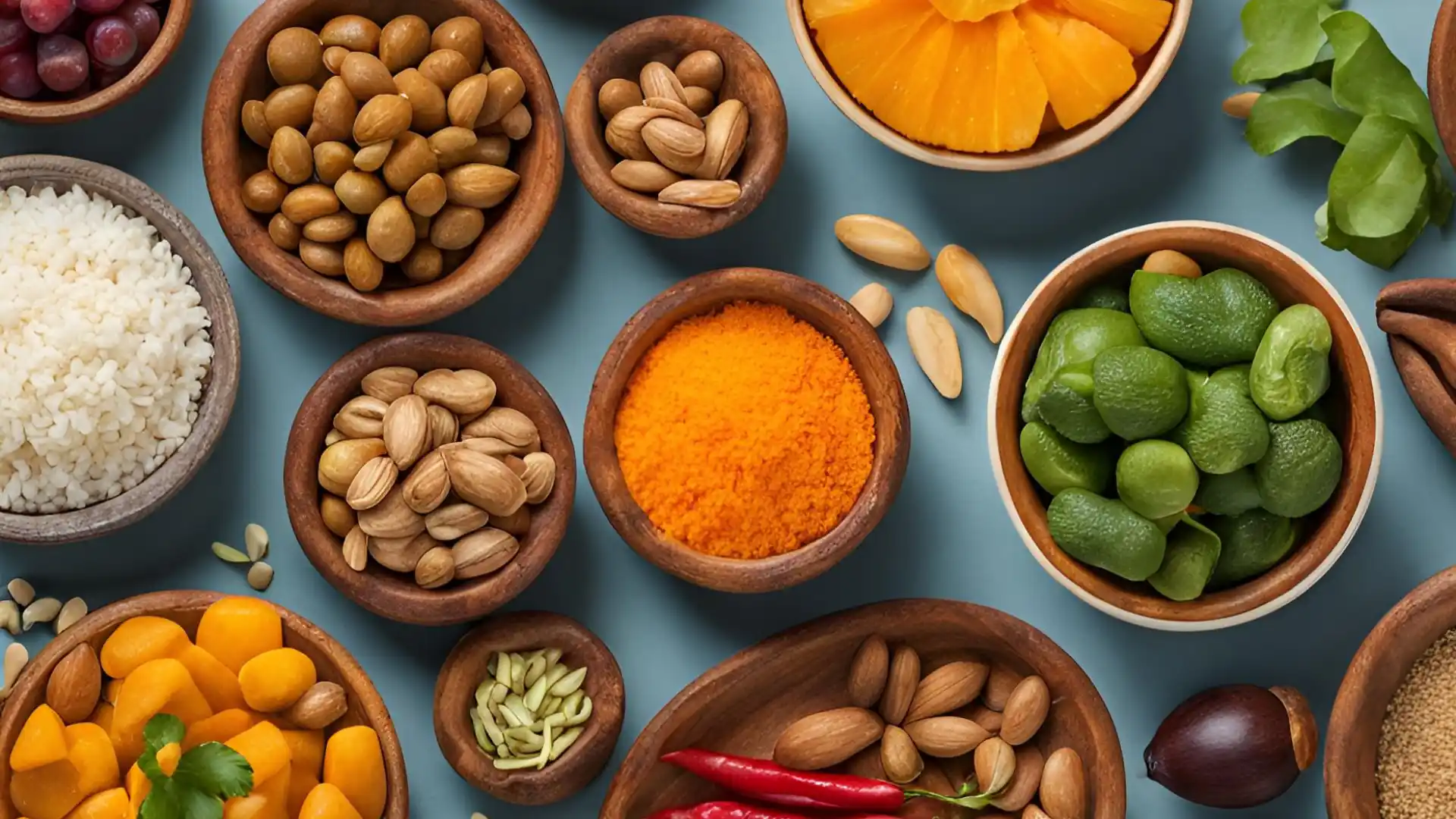
Want to embrace a healthier lifestyle? The Hindu diet plan for healthy eating emphasizes a variety of fresh, natural foods. With a mix of fruits, vegetables, grains, and legumes, this plan nurtures your body and promotes overall well-being.
Diet plan grocery list
Diet plan overview
The Hindu diet plan for healthy eating is all about embracing a balanced and nutritious lifestyle. It includes a diverse range of fruits, vegetables, grains, and legumes to nourish your body. This plan helps you adopt healthy eating habits that are both satisfying and sustainable.
By focusing on natural, whole foods, this diet promotes overall well-being and vitality. It's a simple way to ensure you're getting all the essential nutrients your body needs every day.

Foods to eat
- Fruits and Vegetables: Fresh produce like apples, bananas, carrots, and spinach are staples for their vitamins and minerals.
- Whole Grains: Opt for brown rice, quinoa, and whole wheat bread to get your fill of fiber and nutrients.
- Legumes and Beans: Lentils, chickpeas, and black beans provide a great source of protein and fiber.
- Dairy Products: Milk, yogurt, and paneer (Indian cottage cheese) are good sources of calcium and protein.
- Nuts and Seeds: Almonds, cashews, and flaxseeds offer healthy fats and proteins.
- Herbs and Spices: Turmeric, cumin, and coriander add flavor and health benefits without extra calories.
Tip
Dal is your daily dose of goodness! Packed with protein and fiber, it's a heart-healthy and delicious staple for a Hindu diet.
Foods not to eat
- Beef and Pork: These are generally avoided due to religious beliefs and ethical considerations.
- Processed and Packaged Foods: Items like chips, cookies, and instant noodles are often high in unhealthy fats and sugars.
- Artificial Sweeteners: Products containing aspartame and saccharin are best avoided for a natural diet.
- Excessive Garlic and Onions: While not strictly forbidden, these are sometimes limited, especially during fasting periods.
- Refined Sugars: Sugary sodas, candies, and pastries can lead to various health issues and are best kept to a minimum.
- Alcohol: Typically discouraged due to its effects on the mind and body, as well as cultural reasons.
Main benefits
A hindu diet plan for healthy eating can enhance digestion thanks to its focus on spices like turmeric and ginger. This diet often includes a variety of plant-based foods, promoting a higher intake of fiber and antioxidants. By incorporating more legumes and whole grains, it helps stabilize blood sugar levels. Additionally, the emphasis on fresh, seasonal produce can lead to a more nutrient-dense diet.
How to budget on this diet plan
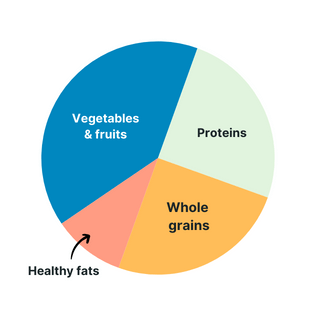
Eating a well-balanced Hindu diet emphasizes fresh, seasonal ingredients. Start your day with a wholesome breakfast like oatmeal or lentil soup. Rotate protein sources throughout the week, including chicken, fish, and dals. Embrace a rainbow of vegetables for essential vitamins and minerals. Limit processed foods and sugary drinks. Spices and herbs add flavor without extra calories.
Meal plan suggestion
Day 1
- Breakfast: Almond Banana Smoothie (almonds, bananas, yogurt)
- Lunch: Spinach and Paneer Curry with Basmati Rice (spinach, paneer, tomatoes, onions, garlic, ginger, turmeric, cumin seeds, basmati rice)
- Dinner: Cauliflower and Chickpea Curry with Whole Wheat Roti (cauliflower, chickpeas, onions, garlic, ginger, turmeric, cumin seeds, coriander seeds, whole wheat flour)
- Snack: Carrot Sticks with Hummus (carrots, chickpeas, olive oil)
Day 2
- Breakfast: Mango Almond Yogurt Parfait (mangoes, almonds, yogurt)
- Lunch: Tofu Stir-Fry with Bell Peppers and Black Beans (tofu, bell peppers, black beans, onions, garlic, ginger, olive oil)
- Dinner: Lentil Soup with Whole Wheat Bread (red lentils, tomatoes, onions, garlic, ginger, turmeric, cumin seeds, coriander seeds, whole wheat flour)
- Snack: Apple Slices with Cashew Butter (apples, cashews)
Day 3
- Breakfast: Raisin and Cashew Porridge (raisins, cashews, coconut milk)
- Lunch: Potato and Pea Curry with Basmati Rice (potatoes, green peas, tomatoes, onions, garlic, ginger, turmeric, cumin seeds, basmati rice)
- Dinner: Spinach and Tofu Salad with Olive Oil Dressing (spinach, tofu, tomatoes, olive oil)
- Snack: Orange Slices with Almonds (oranges, almonds)
Day 4
- Breakfast: Banana Cashew Smoothie (bananas, cashews, yogurt)
- Lunch: Chickpea and Tomato Salad with Olive Oil Dressing (chickpeas, tomatoes, olive oil)
- Dinner: Paneer Tikka Masala with Whole Wheat Naan (paneer, tomatoes, onions, garlic, ginger, turmeric, cumin seeds, garam masala, whole wheat flour)
- Snack: Carrot and Raisin Salad (carrots, raisins)
Day 5
- Breakfast: Mango Yogurt Smoothie (mangoes, yogurt)
- Lunch: Cauliflower and Potato Curry with Basmati Rice (cauliflower, potatoes, tomatoes, onions, garlic, ginger, turmeric, cumin seeds, basmati rice)
- Dinner: Spinach and Black Bean Quesadilla (spinach, black beans, onions, garlic, bell peppers, whole wheat flour)
- Snack: Apple Slices with Almond Butter (apples, almonds)
Day 6
- Breakfast: Banana Almond Smoothie Bowl (bananas, almonds, yogurt)
- Lunch: Lentil and Tomato Salad with Olive Oil Dressing (red lentils, tomatoes, olive oil)
- Dinner: Vegetable Biryani with Raita (basmati rice, carrots, green peas, potatoes, onions, garlic, ginger, turmeric, cumin seeds, garam masala, yogurt)
- Snack: Orange Slices with Cashews (oranges, cashews)
Day 7
- Breakfast: Apple Raisin Oatmeal (apples, raisins, whole wheat flour)
- Lunch: Tofu and Bell Pepper Stir-Fry with Basmati Rice (tofu, bell peppers, onions, garlic, ginger, turmeric, cumin seeds, basmati rice)
- Dinner: Chickpea and Spinach Curry with Whole Wheat Chapati (chickpeas, spinach, tomatoes, onions, garlic, ginger, turmeric, cumin seeds, garam masala, whole wheat flour)
- Snack: Carrot Sticks with Hummus (carrots, chickpeas, olive oil)
Want to learn more?
Keep in mind
Other diet plans
-

Carnivore diet plan for diabetics
This diet plan on the carnivore diet for diabetic individuals is quite low on carbs while approximating almost 100 percent in protein and fats. This helps to control blood sugar levels. Avoiding sugars and most of carbs can make it possible to have diabetes well under control. It is a radical but straightforward dietary intervention which should be done with supervision and guidance from health practitioners.
-

Carnivore diet plan for healthy eating
Healthy eating in the carnivore diet plan comprises a range of nutrient-dense sourced meats, such as organs and bone broths, which contain critical vitamins and minerals. It aims to eliminate inflammatory reactions, which are characteristic of some lifestyle diseases, and cut back the diet to essential nutrients. It may seem limiting, however, it facilitates looking deeper into the quality of every piece of meat cuisine.
-

Carnivore diet plan for beginners
The following carnivore beginner’s plan is especially intended for those who are new to the carnivore way of life. It begins by eating only meat instead of animal-based foods. Just after a few weeks or so, start introducing other types of food, such as fish, poultry, and organ meat. No complicated steps involved - learn the basics of meat preparation and accommodate a new food pattern.