
Hindu diet plan for high protein
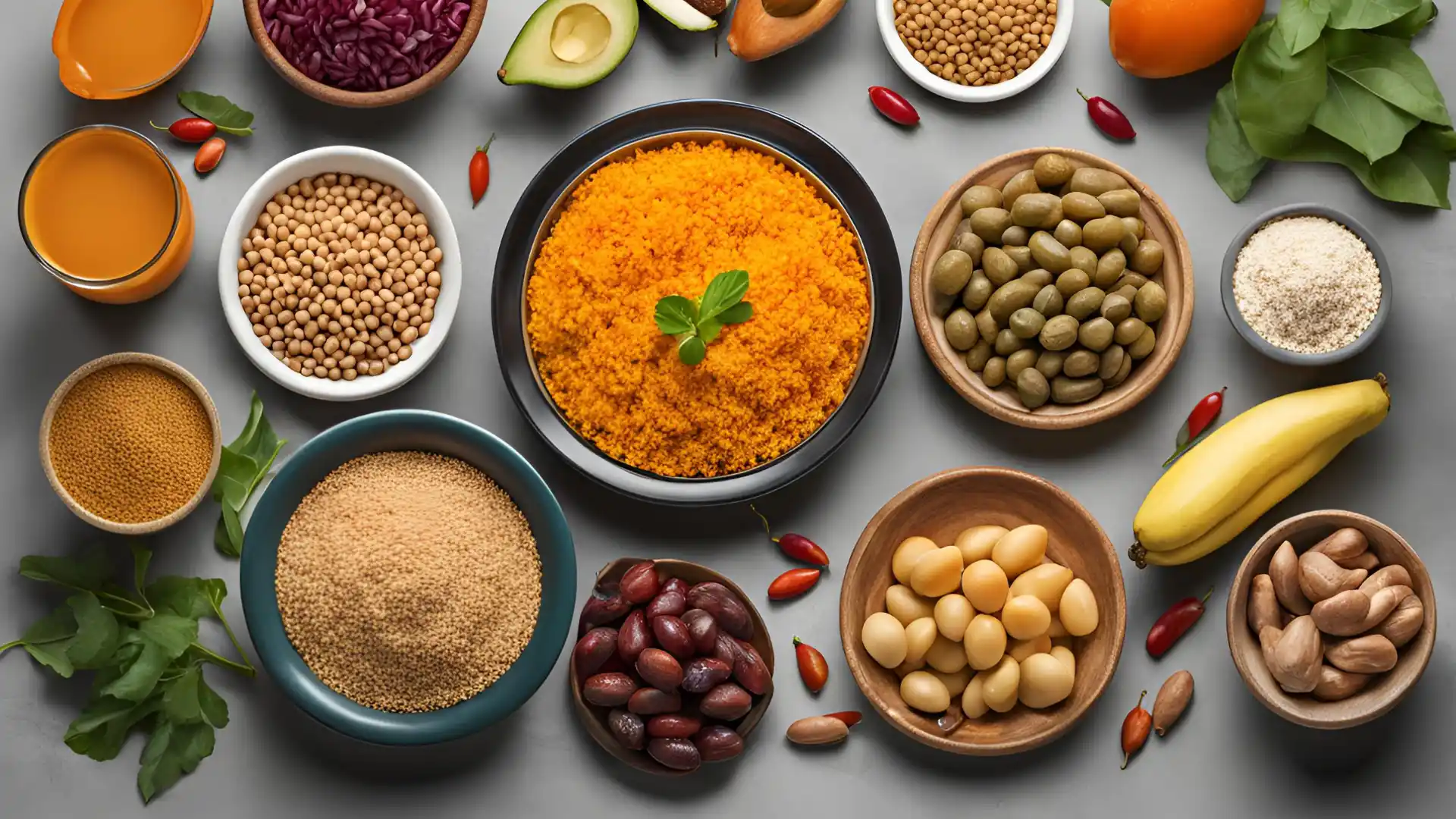
Need more protein in your diet? The Hindu high-protein diet plan includes lentils, legumes, and dairy products. These foods help you meet your protein needs while maintaining a balanced diet.
Diet plan grocery list
Diet plan overview
The Hindu diet plan for high protein includes a variety of protein-rich foods like lentils, legumes, and dairy. This plan helps you meet your daily protein needs, essential for muscle repair and growth. It's designed to provide a balanced intake of nutrients while focusing on protein.
With its emphasis on protein, this diet supports an active lifestyle and promotes overall health. It's a great way to ensure you're getting enough protein without compromising on taste or variety.
Foods to eat
- High-Protein Legumes: Lentils, chickpeas, and black beans are excellent plant-based protein sources.
- Dairy Products: Milk, yogurt, and paneer provide good amounts of protein and calcium.
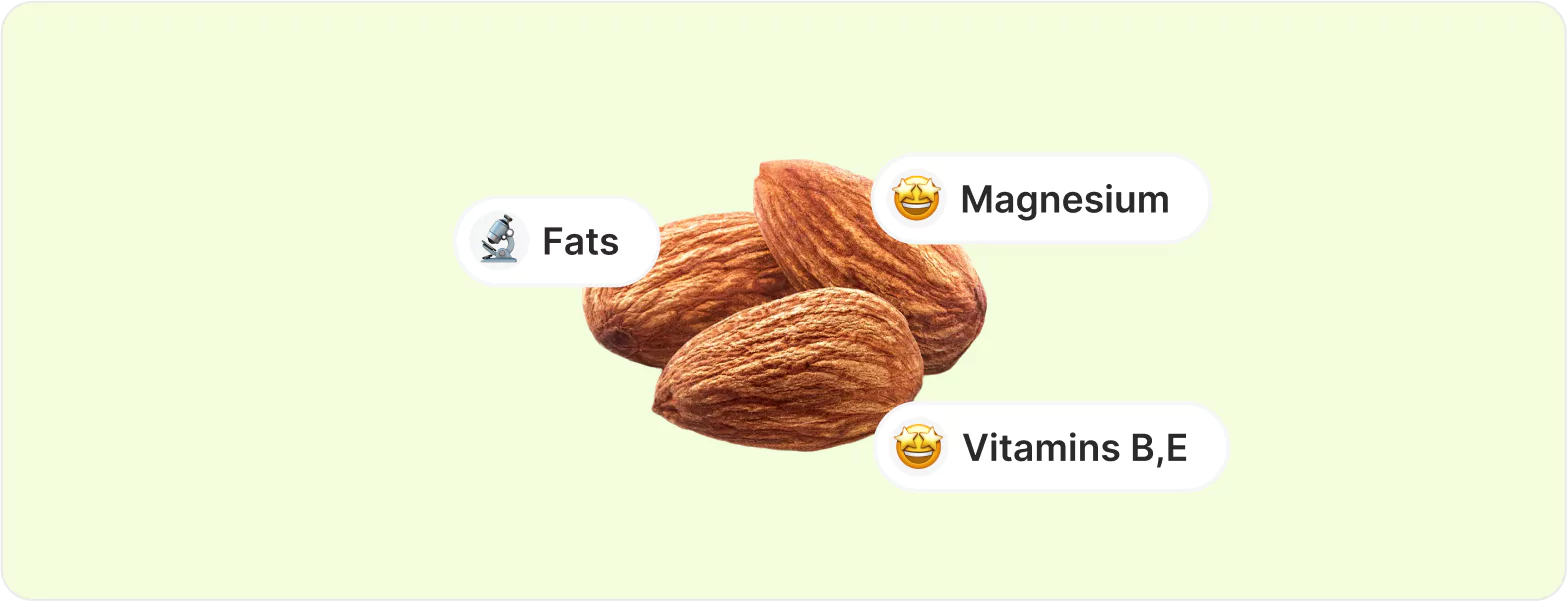
- Nuts and Seeds: Almonds, chia seeds, and hemp seeds are packed with protein and healthy fats.
- Protein-Rich Vegetables: Spinach, broccoli, and Brussels sprouts contribute to your protein intake.
- Soy Products: Tofu and tempeh are versatile, high-protein options.
- Herbs and Spices: Use spices like turmeric and cumin to add flavor without extra calories.
Tip
Explore sprouted dals! Sprouting increases protein content and makes them easier to digest, perfect for a high-protein Hindu diet.
Foods not to eat
- Red Meat: Typically avoided for religious and ethical reasons.
- Processed Meats: Sausages, bacon, and deli meats are high in unhealthy fats and preservatives.
- Sugary Snacks: Avoid candies, pastries, and other high-sugar foods that offer little nutritional value.
- Refined Carbohydrates: White bread, pasta, and pastries can spike blood sugar levels.
- Fried Foods: Foods like french fries and fried snacks are high in unhealthy fats.
- Alcohol: Generally discouraged for maintaining overall health and well-being.
Main benefits
Opting for a hindu diet plan for high protein can lead to increased muscle mass and better recovery post-exercise due to its protein-rich foods like lentils and chickpeas. It promotes a variety of plant-based proteins, which can improve heart health and reduce cholesterol levels. The diet’s diversity in protein sources helps prevent dietary monotony. Additionally, it supports sustainable eating by focusing on plant-based protein sources.
How to budget on this diet plan
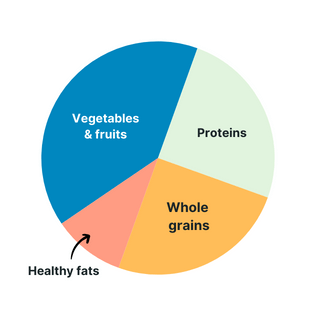
Building muscle on a Hindu diet emphasizes protein-rich vegetarian options. Dals are your protein warriors once again - explore different varieties for a change in taste and texture. Soy products like tofu and tempeh offer another protein source and can be marinated and cooked in various ways. Paneer is a great protein option and can be used in curries, stir-fries, or even scrambled like eggs. Dairy products like yogurt and cheese can be included in moderation for additional protein and calcium. Healthy fats like avocado and limited ghee can be included.
Meal plan suggestion
Day 1
- Breakfast: Quinoa and Spinach Breakfast Bowl topped with Greek yogurt
- Lunch: Tofu and Vegetable Stir-fry with Buckwheat noodles
- Dinner: Paneer Tikka Masala served with a side of Mung beans and steamed Broccoli
- Snack: Cottage cheese with Almonds and Pumpkin seeds
Day 2
- Breakfast: Chia Seed Pudding with sliced Almonds and a side of Flaxseeds
- Lunch: Chickpea Salad with Kale, Avocado, and Sunflower seeds
- Dinner: Lentil Dal served with Quinoa and sautéed Brussels sprouts
- Snack: Greek yogurt topped with Walnuts and Hemp seeds
Day 3
- Breakfast: Tempeh Scramble with Mushrooms, Asparagus, and Cauliflower rice
- Lunch: Black Bean Buddha Bowl with Edamame, Kale, and Avocado dressing
- Dinner: Tofu and Vegetable Curry with a side of Buckwheat and roasted Cauliflower
- Snack: Almond Butter spread on Rice Cakes with sliced Banana
Day 4
- Breakfast: Spinach and Paneer Omelette with a side of Mung beans and Toasted Flaxseeds
- Lunch: Quinoa Salad with Roasted Chickpeas, Walnuts, and a Lemon-Tahini dressing
- Dinner: Stir-fried Tempeh with Broccoli and Brown Rice
- Snack: Greek yogurt with mixed Berries and a sprinkle of Chia seeds
Day 5
- Breakfast: Amaranth Porridge topped with Almond Butter and sliced Banana
- Lunch: Lentil Soup with a side of Steamed Spinach and Quinoa
- Dinner: Paneer and Vegetable Kebabs served with Buckwheat Pilaf and Roasted Brussels sprouts
- Snack: Cottage cheese with sliced Peaches and a handful of Cashews
Day 6
- Breakfast: Greek yogurt Parfait with Mixed Berries, Almonds, and a drizzle of Honey
- Lunch: Tofu and Mushroom Stir-fry with a side of Steamed Kale and Quinoa
- Dinner: Chickpea and Spinach Curry served with Buckwheat Chapati and Cauliflower rice
- Snack: Almonds and Pumpkin seeds mix with a side of Edamame
Day 7
- Breakfast: Quinoa Breakfast Bowl with Greek yogurt, sliced Almonds, and a drizzle of Maple syrup
- Lunch: Lentil and Vegetable Stew served with a side of Spinach and Flaxseed Chapati
- Dinner: Tofu and Vegetable Stir-fry with Buckwheat noodles and Steamed Broccoli
- Snack: Cottage cheese with sliced Apple and a sprinkle of Sunflower seeds
Want to learn more?
Keep in mind
Other diet plans
-

Carnivore diet plan for diabetics
This diet plan on the carnivore diet for diabetic individuals is quite low on carbs while approximating almost 100 percent in protein and fats. This helps to control blood sugar levels. Avoiding sugars and most of carbs can make it possible to have diabetes well under control. It is a radical but straightforward dietary intervention which should be done with supervision and guidance from health practitioners.
-

Carnivore diet plan for healthy eating
Healthy eating in the carnivore diet plan comprises a range of nutrient-dense sourced meats, such as organs and bone broths, which contain critical vitamins and minerals. It aims to eliminate inflammatory reactions, which are characteristic of some lifestyle diseases, and cut back the diet to essential nutrients. It may seem limiting, however, it facilitates looking deeper into the quality of every piece of meat cuisine.
-

Carnivore diet plan for beginners
The following carnivore beginner’s plan is especially intended for those who are new to the carnivore way of life. It begins by eating only meat instead of animal-based foods. Just after a few weeks or so, start introducing other types of food, such as fish, poultry, and organ meat. No complicated steps involved - learn the basics of meat preparation and accommodate a new food pattern.