
Hindu diet plan for vegetarians
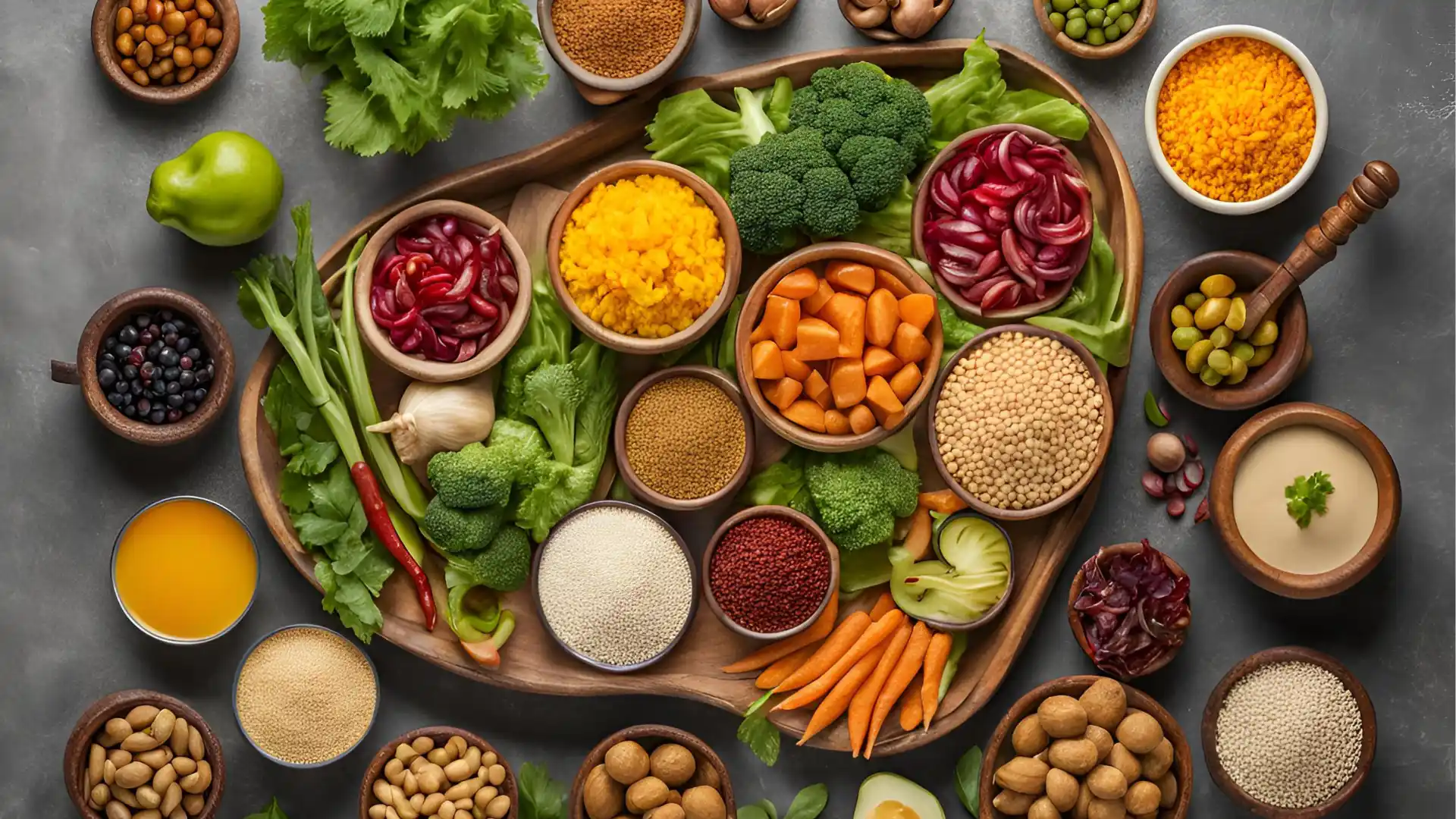
Looking to follow a vegetarian lifestyle? The Hindu diet plan for vegetarians offers a rich variety of plant-based dishes. With lentils, grains, and vegetables at its core, this plan ensures a balanced and flavorful diet.
Diet plan grocery list
Diet plan overview
The Hindu diet plan for vegetarians celebrates a rich variety of plant-based foods. It includes lentils, grains, vegetables, and dairy products to create balanced and satisfying meals. This plan helps vegetarians enjoy a diverse and nutritious diet every day.
By focusing on fresh and wholesome ingredients, this diet supports overall health and well-being. It’s an enjoyable way to explore the flavors and benefits of vegetarian eating.

Foods to eat
- Fresh Produce: Fruits and vegetables like apples, spinach, and carrots are key components.
- Whole Grains: Brown rice, whole wheat bread, and quinoa are excellent sources of nutrients and fiber.
- Legumes: Beans, lentils, and peas are great for protein and fiber.
- Dairy Products: Milk, cheese, and yogurt provide essential nutrients.
- Nuts and Seeds: Almonds, cashews, and flaxseeds offer healthy fats and proteins.
- Herbs and Spices: Turmeric, cumin, and coriander enhance flavors and have health benefits.
Tip
Paneer power! This versatile cheese is a great protein source for vegetarians following a Hindu diet.
Foods not to eat
- Meat: Avoid all forms of meat to maintain a vegetarian diet.
- Processed Foods: Items like chips, cookies, and instant noodles are high in unhealthy fats and sugars.
- Refined Sugars: Sugary snacks and beverages are best kept to a minimum.
- Artificial Additives: Avoid foods with artificial colors, flavors, and preservatives.
- Excessive Caffeine: Limit coffee and energy drinks, as they can impact overall health.
- Alcohol: Typically discouraged for cultural and health reasons.
Main benefits
A hindu diet plan for vegetarians provides a wide array of delicious and nutritious vegetarian dishes. It ensures a balanced intake of essential nutrients through a variety of grains, legumes, and vegetables. The use of spices not only adds flavor but can also boost metabolism and enhance nutrient absorption. This diet supports ethical eating practices by avoiding animal products and promoting sustainability.
How to budget on this diet plan
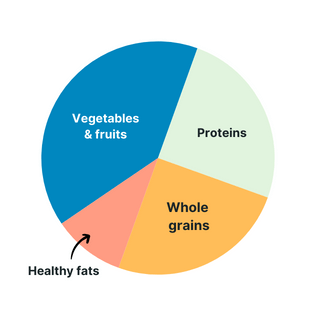
Thriving on a vegetarian Hindu diet is all about variety and balance. Dals are your protein superstars - cook them in different styles throughout the week. Paneer offers another protein option and can be incorporated into curries or stir-fries. Eggs are a complete protein source and can be enjoyed for breakfast or lunch (if they fit within your personal Hindu dietary restrictions). Embrace a wide variety of vegetables - they're low in calories and high in fiber. Healthy fats like avocado and limited ghee can be included.
Meal plan suggestion
Day 1
- Breakfast: Basmati Rice Porridge with Milk, Sliced Banana, and a Pinch of Turmeric Powder
- Lunch: Chana Dal Curry with Spinach and Turmeric-flavored Basmati Rice
- Dinner: Paneer Tikka Masala with Cauliflower and Cumin-flavored Basmati Rice
- Snack: Yogurt with Sliced Mango
Day 2
- Breakfast: Masoor Dal Pancakes with a Side of Yogurt
- Lunch: Aloo Gobi (Potato and Cauliflower Curry) with Basmati Rice
- Dinner: Eggplant Curry with Cumin-flavored Basmati Rice
- Snack: Sliced Apple with Paneer
Day 3
- Breakfast: Spiced Carrot Porridge with a Drizzle of Ghee
- Lunch: Spinach and Paneer Curry with Basmati Rice
- Dinner: Chole (Chickpea Curry) with Turmeric-flavored Basmati Rice
- Snack: Orange Slices with Roasted Chickpeas
Day 4
- Breakfast: Yogurt Parfait with Sliced Banana and Chopped Mango
- Lunch: Mixed Vegetable Curry with Basmati Rice
- Dinner: Dal Tadka (Red Lentil Curry) with Cumin-flavored Basmati Rice
- Snack: Cucumber Slices with Hummus
Day 5
- Breakfast: Banana and Spinach Smoothie
- Lunch: Tomato and Bell Pepper Curry with Basmati Rice
- Dinner: Palak Paneer (Spinach and Paneer Curry) with Turmeric-flavored Basmati Rice
- Snack: Boiled Potatoes with Mustard Seeds
Day 6
- Breakfast: Apple Cinnamon Porridge with Milk
- Lunch: Green Bean and Potato Curry with Basmati Rice
- Dinner: Masoor Dal Soup with Cumin-flavored Basmati Rice
- Snack: Yogurt with Sliced Mango
Day 7
- Breakfast: Chickpea Flour Pancakes (Besan Chilla) with Tomato Chutney
- Lunch: Bhindi Masala (Okra Curry) with Basmati Rice
- Dinner: Vegetable Biryani with Yogurt Raita
- Snack: Sliced Cucumber with Hummus
Want to learn more?
Keep in mind
Other diet plans
-

Carnivore diet plan for diabetics
This diet plan on the carnivore diet for diabetic individuals is quite low on carbs while approximating almost 100 percent in protein and fats. This helps to control blood sugar levels. Avoiding sugars and most of carbs can make it possible to have diabetes well under control. It is a radical but straightforward dietary intervention which should be done with supervision and guidance from health practitioners.
-

Carnivore diet plan for healthy eating
Healthy eating in the carnivore diet plan comprises a range of nutrient-dense sourced meats, such as organs and bone broths, which contain critical vitamins and minerals. It aims to eliminate inflammatory reactions, which are characteristic of some lifestyle diseases, and cut back the diet to essential nutrients. It may seem limiting, however, it facilitates looking deeper into the quality of every piece of meat cuisine.
-

Carnivore diet plan for beginners
The following carnivore beginner’s plan is especially intended for those who are new to the carnivore way of life. It begins by eating only meat instead of animal-based foods. Just after a few weeks or so, start introducing other types of food, such as fish, poultry, and organ meat. No complicated steps involved - learn the basics of meat preparation and accommodate a new food pattern.