
Hypertension diet plan for acid reflux
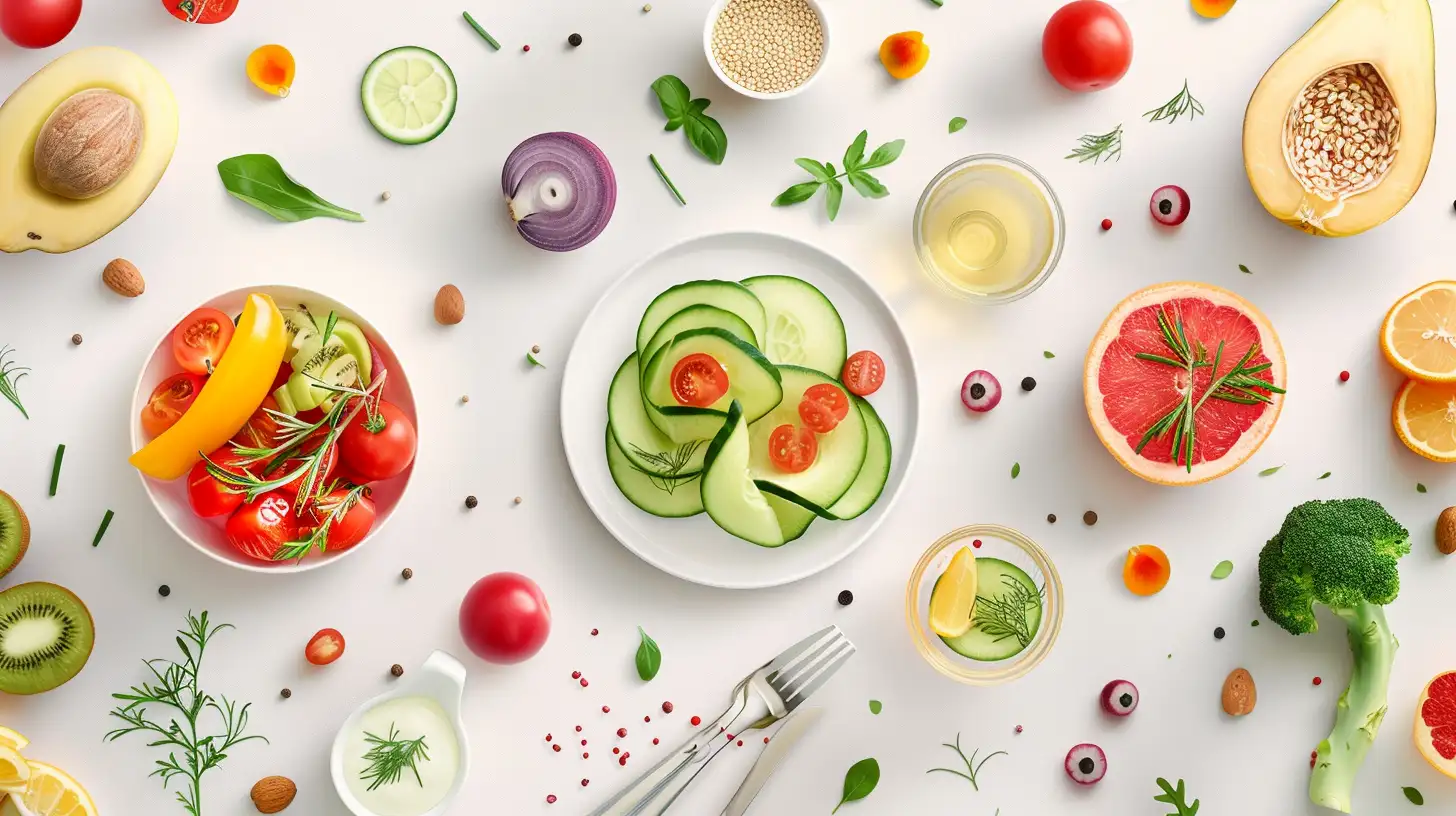
If you're battling both hypertension and acid reflux, your diet is a powerful tool for managing symptoms. Eating low-sodium, low-acid foods can soothe your stomach and keep your blood pressure in line. It’s about striking a balance that reduces discomfort and promotes a healthier lifestyle.
Diet plan grocery list
Diet plan overview
Dealing with both hypertension and acid reflux can complicate meal choices. The hypertension diet plan for acid reflux aims to soothe your stomach and your blood pressure. It avoids foods that are known triggers for reflux, such as citrus, spicy foods, and high-fat meals, while also cutting back on salt.
The focus is on bland, yet nourishing foods that prevent irritation: think baked chicken, rice, and cooked vegetables. This diet not only helps in managing blood pressure but also reduces the discomfort and health risks associated with acid reflux.
Foods to eat
- Lean Meats: Chicken, turkey, and lean beef are less likely to trigger reflux.
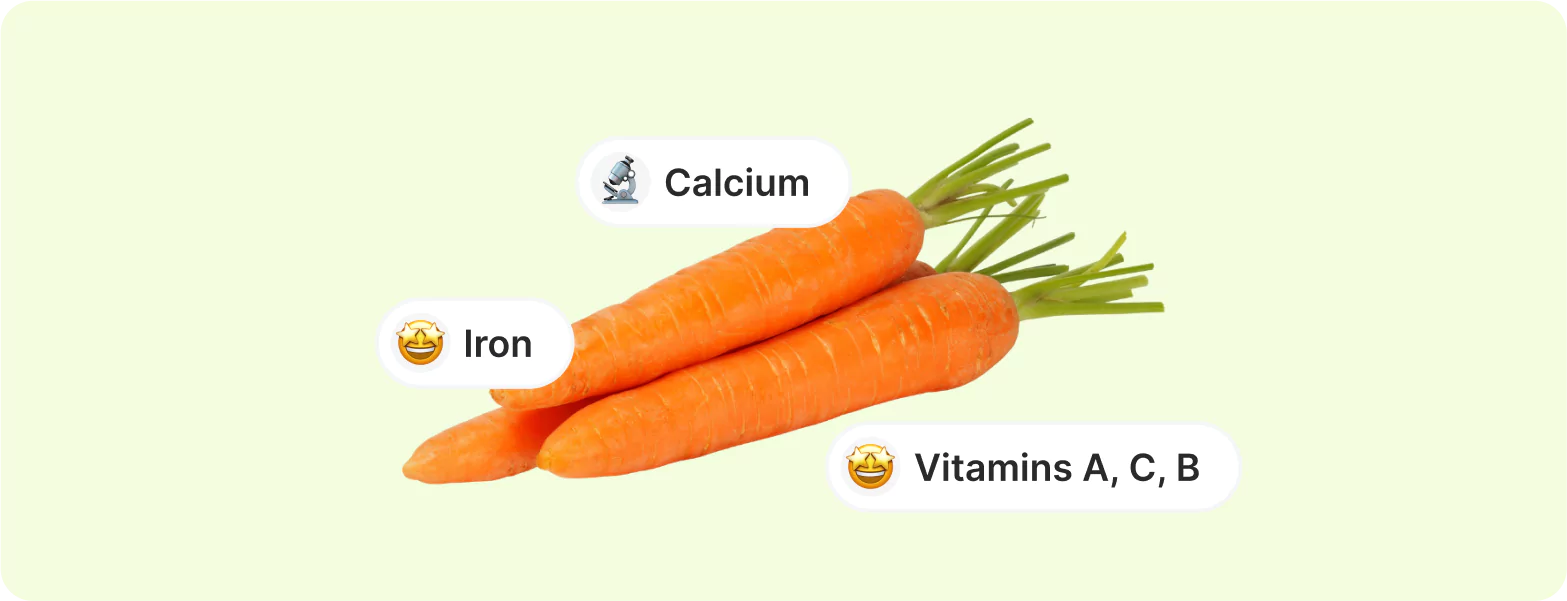
- Root Vegetables: Carrots, sweet potatoes, and beets can help calm the stomach.
- Oatmeal: A low-acid, high-fiber breakfast option to start the day right.
- Ginger: Fresh or in tea form, it can help reduce acid reflux symptoms.
- Non-Citrus Fruits: Bananas, apples, and melons are generally well-tolerated.
Tip
Soothe both hypertension and acid reflux with a warm bowl of oatmeal topped with anti-inflammatory turmeric and blueberries.
Foods not to eat
- Citrus Fruits: Oranges, grapefruits, and lemons can trigger acid reflux.
- Spicy Foods: Hot peppers and curries might aggravate symptoms.
- Chocolate: Contains caffeine and theobromine, which can cause reflux.
- Fried Foods: Greasy foods can relax the lower esophageal sphincter.
- Carbonated Drinks: Bubbly sodas and seltzers can increase bloating.
Main benefits
The hypertension diet plan for acid reflux carefully selects alkaline foods like melons, oatmeal, and ginger to prevent reflux while reducing blood pressure. It avoids trigger foods like caffeine and chocolate that could aggravate acid reflux symptoms. Plus, this diet promotes portion control and frequent small meals to aid digestion and minimize heartburn.
How to budget on this diet plan
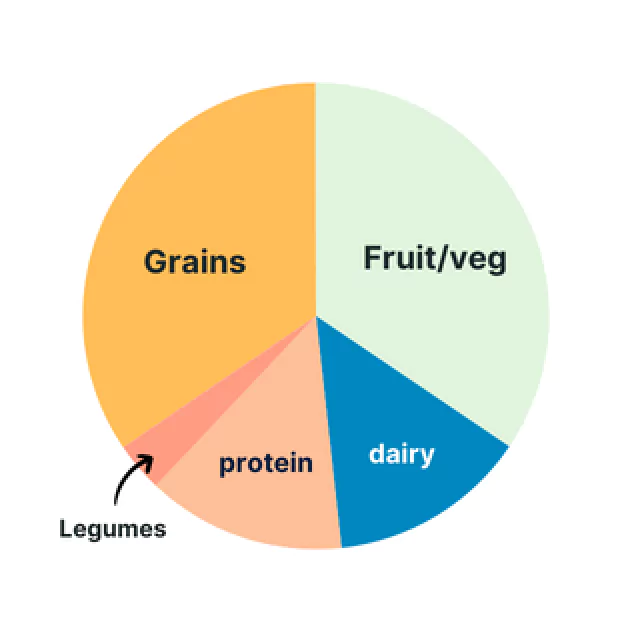
Managing hypertension and acid reflux can be tricky, but staying on budget is doable. Avoid pricey processed foods and stick to stomach-friendly staples like brown rice, oatmeal, and baked sweet potatoes. Buying lean chicken breasts in bulk and freezing portions will keep you supplied with gentle, low-acid protein. Cook in batches to reduce daily prep, and rely on herbal teas instead of expensive specialty drinks.
Meal plan suggestion
Day 1
- Breakfast: Greek yogurt with blueberries, strawberries, and a sprinkle of almonds
- Lunch: Kale and spinach salad with grilled chicken breast, cucumber, bell peppers, and olive oil dressing
- Dinner: Grilled salmon with quinoa and steamed broccoli
- Snack: Apple slices with cottage cheese
Day 2
- Breakfast: Oats cooked with skim milk, topped with bananas, strawberries, and walnuts
- Lunch: Turkey breast wrap with whole grain bread, tomatoes, spinach, and basil
- Dinner: Stir-fried lean beef with garlic, ginger, turmeric, and carrots served with brown rice
- Snack: Orange slices with Greek yogurt
Day 3
- Breakfast: Smoothie with Greek yogurt, spinach, blueberries, and bananas
- Lunch: Tuna salad with kale, bell peppers, cucumbers, and olive oil dressing
- Dinner: Grilled turkey breast with mashed sweet potatoes and steamed broccoli
- Snack: Cottage cheese with strawberries
Day 4
- Breakfast: Greek yogurt parfait with oats, strawberries, and walnuts
- Lunch: Brown rice bowl with grilled salmon, spinach, tomatoes, and olive oil
- Dinner: Grilled chicken breast with steamed kale and quinoa
- Snack: Sliced cucumber and bell peppers with Greek yogurt dip
Day 5
- Breakfast: Oats with skim milk, apples, cinnamon, and almonds
- Lunch: Broccoli and turkey breast stir-fry with garlic, ginger, and turmeric, served with quinoa
- Dinner: Grilled lean beef with steamed carrots and brown rice
- Snack: Banana slices with cottage cheese
Day 6
- Breakfast: Greek yogurt with blueberries, oats, and walnuts
- Lunch: Whole grain bread sandwich with grilled chicken breast, spinach, cucumber, and basil
- Dinner: Baked salmon with steamed spinach and quinoa
- Snack: Apple slices with almonds
Day 7
- Breakfast: Smoothie with Greek yogurt, kale, strawberries, and bananas
- Lunch: Tuna salad with spinach, bell peppers, tomatoes, and olive oil dressing
- Dinner: Grilled turkey breast with steamed broccoli and brown rice
- Snack: Cottage cheese with blueberries
Want to learn more?
Keep in mind
Other diet plans
-

Carnivore diet plan for diabetics
This diet plan on the carnivore diet for diabetic individuals is quite low on carbs while approximating almost 100 percent in protein and fats. This helps to control blood sugar levels. Avoiding sugars and most of carbs can make it possible to have diabetes well under control. It is a radical but straightforward dietary intervention which should be done with supervision and guidance from health practitioners.
-

Carnivore diet plan for healthy eating
Healthy eating in the carnivore diet plan comprises a range of nutrient-dense sourced meats, such as organs and bone broths, which contain critical vitamins and minerals. It aims to eliminate inflammatory reactions, which are characteristic of some lifestyle diseases, and cut back the diet to essential nutrients. It may seem limiting, however, it facilitates looking deeper into the quality of every piece of meat cuisine.
-

Carnivore diet plan for beginners
The following carnivore beginner’s plan is especially intended for those who are new to the carnivore way of life. It begins by eating only meat instead of animal-based foods. Just after a few weeks or so, start introducing other types of food, such as fish, poultry, and organ meat. No complicated steps involved - learn the basics of meat preparation and accommodate a new food pattern.