
Hypertension diet plan for anemia
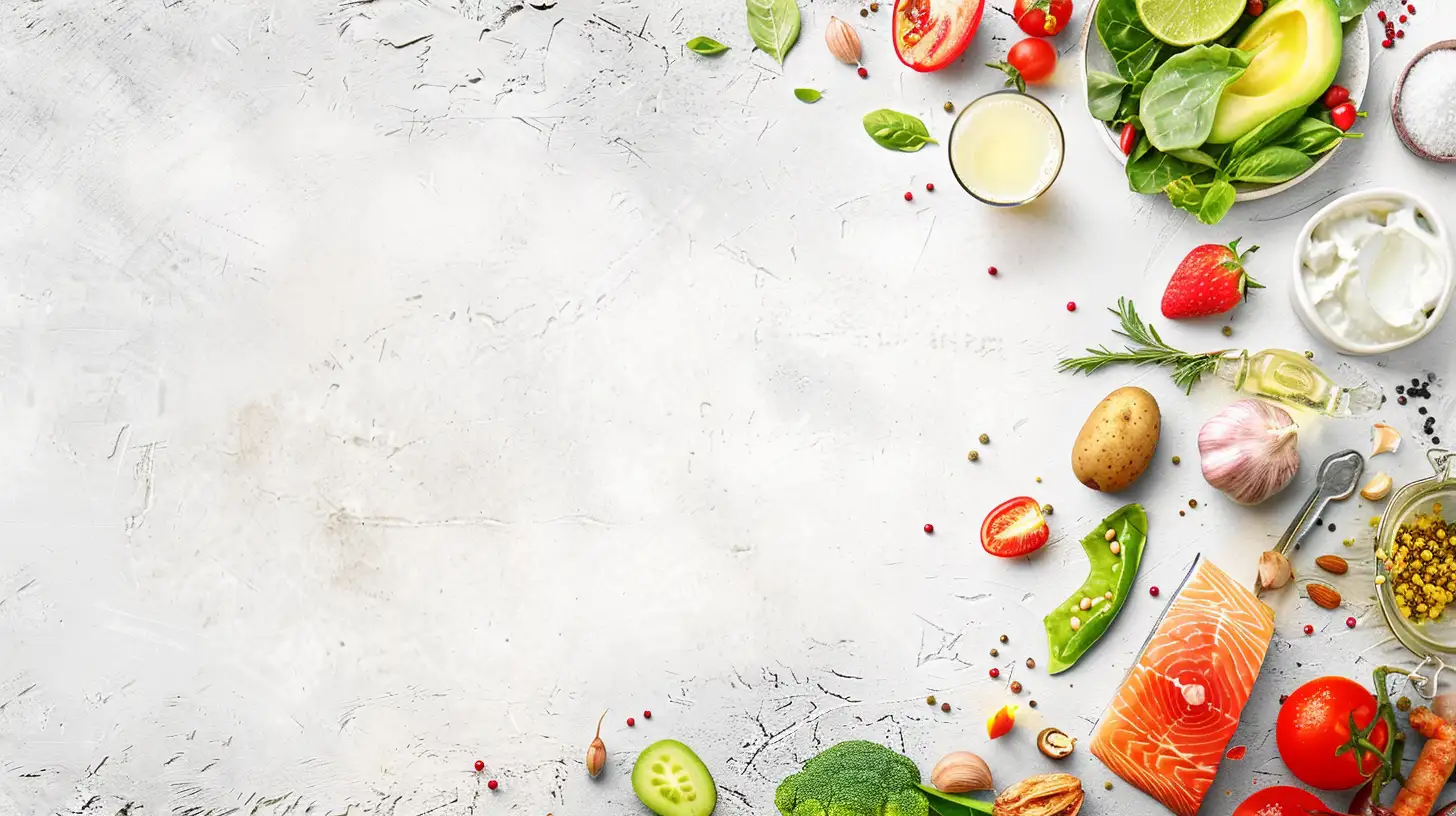
Dealing with both hypertension and anemia might sound challenging, but the right diet can make a big difference. Incorporating iron-rich, blood pressure-friendly foods helps manage both conditions without the need for drastic changes. It’s all about finding those key nutrients that support blood health and keep pressure in check.
Diet plan grocery list
Diet plan overview
When you're juggling both hypertension and anemia, finding the right balance in your diet can be a bit tricky. The hypertension diet plan for anemia focuses on integrating iron-rich foods that are also low in sodium. It’s all about incorporating lean meats, spinach, and legumes, while keeping a close eye on your salt intake to manage blood pressure effectively.
Getting your nutrients right can help in managing both conditions without overcomplicating your meals. It's important to monitor iron absorption, which can be enhanced by vitamin C. So don't forget to throw in some bell peppers and oranges into your diet. This plan aims to nourish your body and keep those blood pressure numbers in check.
Foods to eat
- Lean Red Meats: Beef and lamb, packed with heme iron, to help raise your iron levels.
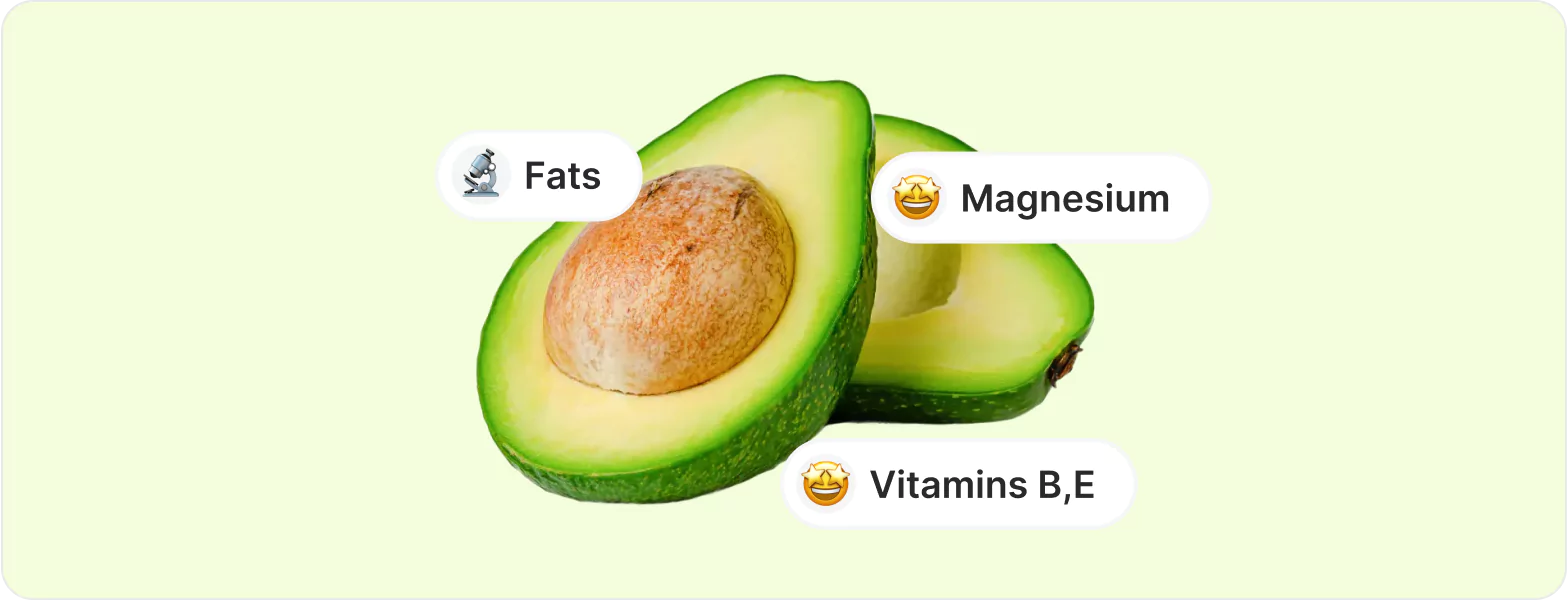
- Dark Leafy Greens: Spinach, kale, and Swiss chard for a boost of non-heme iron and folate.
- Fortified Cereals: Breakfast cereals rich in iron and B vitamins can give your mornings a healthy start.
- Legumes: Lentils, chickpeas, and black beans, full of plant-based iron and protein.
- Vitamin C-Rich Fruits: Oranges, strawberries, and bell peppers aid in iron absorption.
Tip
Include lean red meat like bison or venison once a week to boost iron levels without compromising heart health.
Foods not to eat
- High-Sodium Processed Meats: Deli meats and sausages can spike blood pressure.
- Caffeine: Excessive coffee or tea can hinder iron absorption.
- Alcohol: Can interfere with iron absorption and exacerbate hypertension.
- High-Sodium Canned Soups: Opt for low-sodium options instead.
- Refined Sugars: Pastries, candies, and sweetened beverages offer no nutritional value.
Main benefits
The hypertension diet plan for anemia combines iron-rich foods with blood pressure-friendly ingredients to tackle two challenges at once. It includes plenty of leafy greens and legumes, which are excellent sources of iron and also low in sodium. Vitamin C-rich foods like bell peppers and strawberries are recommended to enhance iron absorption without raising blood pressure.
How to budget on this diet plan
When combining a hypertension diet plan with anemia-friendly foods, save some cash by opting for iron-rich beans and lentils, which are both affordable and versatile. Fresh spinach or kale is easy on the wallet and can be added to soups and salads. Canned tuna and salmon are convenient, budget-friendly sources of omega-3s and iron. Bulk-buying brown rice or whole wheat pasta will stretch your dollar and complement any iron-rich meal.
Meal plan suggestion
Day 1
- Breakfast: Oatmeal with bananas, strawberries, and almonds
- Lunch: Kale salad with lean chicken breast, beets, and a lemon-garlic dressing
- Dinner: Grilled salmon with quinoa and steamed broccoli
- Snack: Low-fat yogurt with walnuts and honey
Day 2
- Breakfast: Smoothie with spinach, skim milk, and apples
- Lunch: Quinoa-stuffed bell peppers with black beans and avocado
- Dinner: Baked turkey breast with sweet potatoes and roasted carrots
- Snack: Cottage cheese with strawberries
Day 3
- Breakfast: Whole wheat toast with avocado and tomato slices
- Lunch: Lentil soup with onions and garlic
- Dinner: Tuna salad with Swiss chard, bell peppers, and sunflower seeds
- Snack: Banana and almond butter
Day 4
- Breakfast: Oats with skim milk, walnuts, and apple slices
- Lunch: Brown rice bowl with steamed broccoli, chickpeas, and a lemon-garlic dressing
- Dinner: Grilled salmon with spinach and roasted beets
- Snack: Low-fat yogurt with bananas
Day 5
- Breakfast: Smoothie with kale, oranges, and cottage cheese
- Lunch: Quinoa salad with lean chicken breast, tomatoes, and sunflower seeds
- Dinner: Baked turkey breast with sweet potatoes and steamed carrots
- Snack: Almonds and strawberries
Day 6
- Breakfast: Whole wheat toast with avocado and garlic
- Lunch: Swiss chard salad with tuna, beets, and sunflower seeds
- Dinner: Grilled salmon with quinoa and steamed broccoli
- Snack: Cottage cheese with walnuts
Day 7
- Breakfast: Oatmeal with bananas, strawberries, and almonds
- Lunch: Kale salad with turkey breast, bell peppers, and a lemon-garlic dressing
- Dinner: Baked tuna with brown rice, Swiss chard, and roasted beets
- Snack: Low-fat yogurt with apples
Want to learn more?
Keep in mind
Other diet plans
-

Carnivore diet plan for diabetics
This diet plan on the carnivore diet for diabetic individuals is quite low on carbs while approximating almost 100 percent in protein and fats. This helps to control blood sugar levels. Avoiding sugars and most of carbs can make it possible to have diabetes well under control. It is a radical but straightforward dietary intervention which should be done with supervision and guidance from health practitioners.
-

Carnivore diet plan for healthy eating
Healthy eating in the carnivore diet plan comprises a range of nutrient-dense sourced meats, such as organs and bone broths, which contain critical vitamins and minerals. It aims to eliminate inflammatory reactions, which are characteristic of some lifestyle diseases, and cut back the diet to essential nutrients. It may seem limiting, however, it facilitates looking deeper into the quality of every piece of meat cuisine.
-

Carnivore diet plan for beginners
The following carnivore beginner’s plan is especially intended for those who are new to the carnivore way of life. It begins by eating only meat instead of animal-based foods. Just after a few weeks or so, start introducing other types of food, such as fish, poultry, and organ meat. No complicated steps involved - learn the basics of meat preparation and accommodate a new food pattern.