
Hypertension diet plan for hair growth
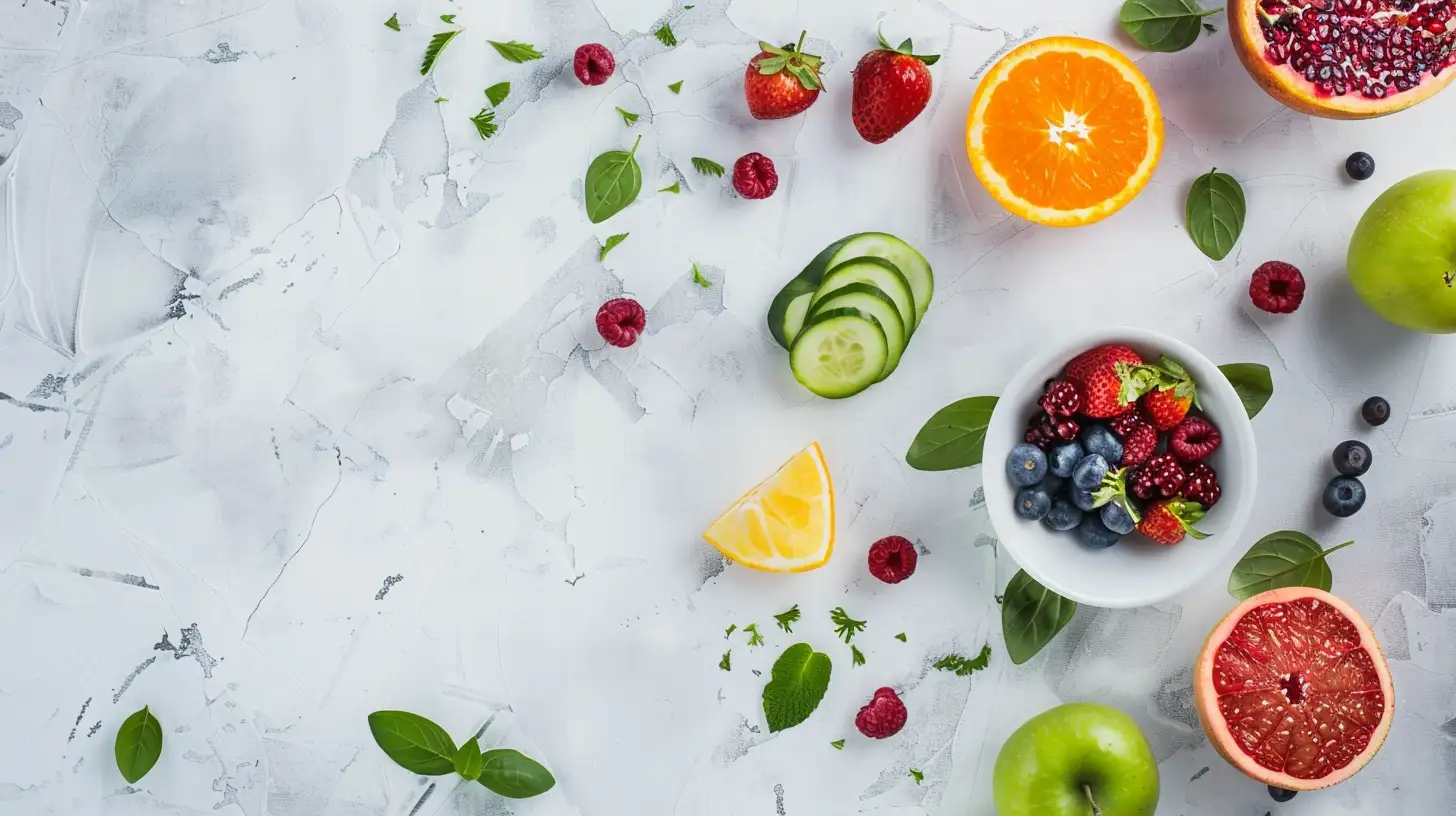
Believe it or not, what you eat can impact your hair health, especially if you’re dealing with hypertension. A diet rich in omega-3s and antioxidants can not only help in managing blood pressure but also support healthy hair growth. It's about feeding your body the right nutrients to keep both your heart and hair happy.
Diet plan grocery list
Diet plan overview
Maintaining a healthy mane while managing blood pressure is the goal of the hypertension diet plan for hair growth. This specialized diet highlights the importance of nutrients like zinc, iron, and B-vitamins, which are essential for hair health. It also suggests incorporating nuts, seeds, and oily fish into your diet, as they provide omega-3 fatty acids that support scalp health.
Besides focusing on specific nutrients, this diet plan encourages a balanced intake of fruits and vegetables, ensuring you get a broad spectrum of vitamins and minerals. It also stresses the importance of managing stress through dietary choices, which can positively impact both your blood pressure and hair quality.
Foods to eat
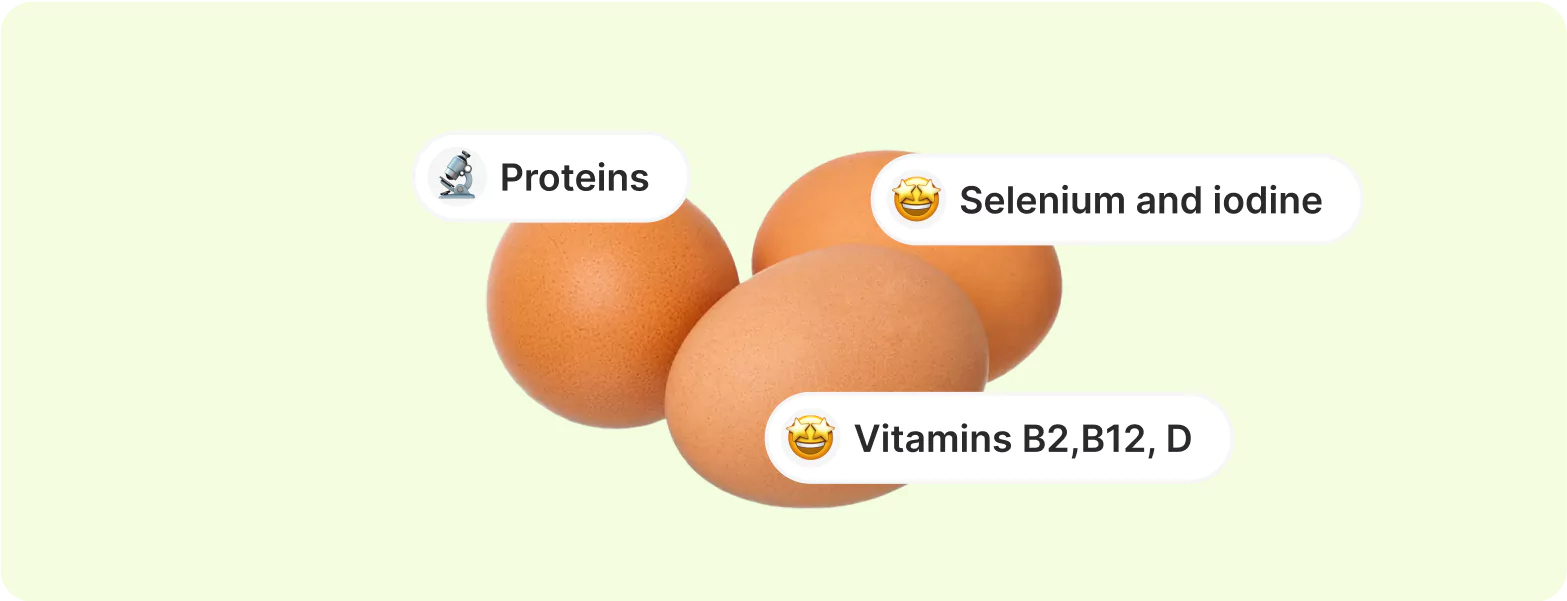
- Eggs: Packed with biotin and protein, essential for strong, healthy hair.
- Fatty Fish: Salmon and sardines provide omega-3s for scalp health.
- Spinach: Full of iron, folate, and vitamins A and C, crucial for hair strength.
- Avocados: Rich in healthy fats and vitamin E, which helps promote hair growth.
- Sweet Potatoes: Loaded with beta-carotene to boost hair production.
Tip
Add pumpkin seeds to your diet; they're rich in zinc, which supports hair growth.
Foods not to eat
- Alcohol: Excessive consumption can dehydrate and weaken hair.
- Sugar: High sugar intake can trigger inflammation, affecting hair growth.
- Refined Carbohydrates: White bread and pasta can spike insulin levels, impacting hormones.
- Processed Foods: Often lack essential nutrients needed for hair health.
- Fried Foods: High in unhealthy fats that can increase oil production and clog hair follicles.
Main benefits
The hypertension diet plan for hair growth is packed with zinc-rich foods like pumpkin seeds and oysters to support scalp health. Vitamin C-rich fruits, such as strawberries and oranges, aid in collagen production, which is vital for strong hair follicles. Omega-3 fatty acids from fatty fish like salmon nourish the hair, giving it shine and volume. This diet also includes biotin-rich eggs and legumes to prevent hair thinning while keeping blood pressure in check.
How to budget on this diet plan
To nourish your hair while managing hypertension, stock up on eggs, nuts, and fatty fish during sales, as they are rich in protein and omega-3s. Frozen berries and leafy greens can boost your vitamin C and iron intake without breaking the bank. Look for discounts on pumpkin seeds and walnuts for zinc and biotin. DIY hair masks using olive oil or yogurt from your pantry can also be budget-friendly for external nourishment.
Meal plan suggestion
Day 1
- Breakfast: Greek yogurt with strawberries, chia seeds, and walnuts
- Lunch: Quinoa salad with spinach, tomatoes, and olive oil
- Dinner: Grilled salmon with steamed broccoli and carrots
- Snack: Apple slices with almond butter
Day 2
- Breakfast: Oatmeal with blueberries, flaxseeds, and Greek yogurt
- Lunch: Turkey breast sandwich on whole wheat bread with avocado, spinach, and bell peppers
- Dinner: Baked chicken breast with kale and brown rice
- Snack: Banana and cottage cheese
Day 3
- Breakfast: Spinach and tomato omelet with whole wheat toast
- Lunch: Salmon and avocado salad with olive oil and lemon dressing
- Dinner: Grilled lean beef with garlic, onions, and Swiss chard
- Snack: Oranges and almonds
Day 4
- Breakfast: Cottage cheese with strawberries, chia seeds, and walnuts
- Lunch: Tuna salad with kale, carrots, and olive oil dressing
- Dinner: Turkey breast with steamed broccoli and quinoa
- Snack: Blueberries and Greek yogurt
Day 5
- Breakfast: Greek yogurt with blueberries, chia seeds, and almonds
- Lunch: Chicken breast salad with spinach, tomatoes, and bell peppers
- Dinner: Grilled tuna with garlic, onions, and brown rice
- Snack: Apple slices with walnuts
Day 6
- Breakfast: Oatmeal with bananas, flaxseeds, and Greek yogurt
- Lunch: Lean beef stir-fry with Swiss chard, onions, and bell peppers
- Dinner: Grilled chicken breast with kale and quinoa
- Snack: Cottage cheese with strawberries
Day 7
- Breakfast: Spinach and avocado smoothie with Greek yogurt and chia seeds
- Lunch: Salmon salad with spinach, avocado, and olive oil dressing
- Dinner: Baked turkey breast with steamed broccoli and brown rice
- Snack: Oranges and almonds
Want to learn more?
Keep in mind
Other diet plans
-

Carnivore diet plan for diabetics
This diet plan on the carnivore diet for diabetic individuals is quite low on carbs while approximating almost 100 percent in protein and fats. This helps to control blood sugar levels. Avoiding sugars and most of carbs can make it possible to have diabetes well under control. It is a radical but straightforward dietary intervention which should be done with supervision and guidance from health practitioners.
-

Carnivore diet plan for healthy eating
Healthy eating in the carnivore diet plan comprises a range of nutrient-dense sourced meats, such as organs and bone broths, which contain critical vitamins and minerals. It aims to eliminate inflammatory reactions, which are characteristic of some lifestyle diseases, and cut back the diet to essential nutrients. It may seem limiting, however, it facilitates looking deeper into the quality of every piece of meat cuisine.
-

Carnivore diet plan for beginners
The following carnivore beginner’s plan is especially intended for those who are new to the carnivore way of life. It begins by eating only meat instead of animal-based foods. Just after a few weeks or so, start introducing other types of food, such as fish, poultry, and organ meat. No complicated steps involved - learn the basics of meat preparation and accommodate a new food pattern.